


For individuals who cannot yet afford to purchase a home, the State will create favorable conditions for them to secure long-term, stable rentals at prices aligned with their income and financial capacity. Worker housing must not only be reasonably priced but also planned and constructed in synchronization with socio-cultural institutions.
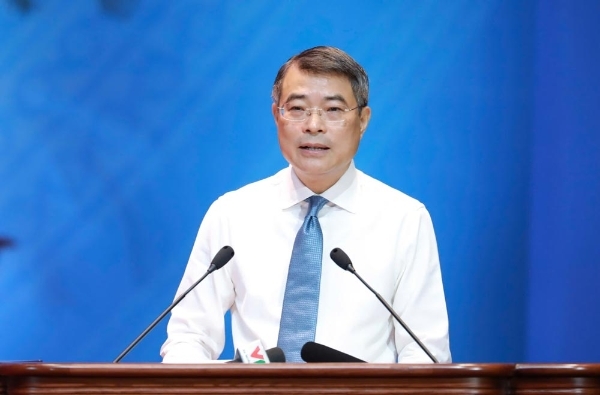
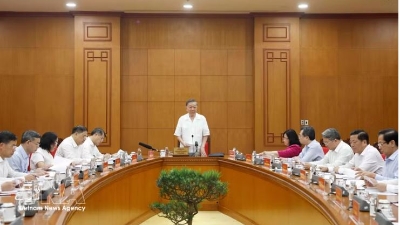
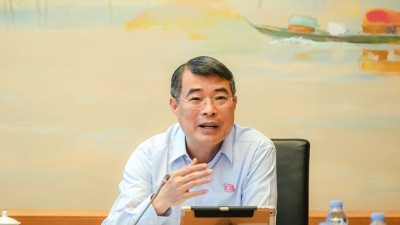
Prime Minister Le Minh Hung on June 5 emphasized these points during a discussion with delegates attending the 14th Vietnam Trade Union Congress.
At the session, Chairwoman of Hanoi's Ba Dinh Ward Trade Union Nguyen Thi Thanh highlighted the reality gathered from worker feedback, noting that housing is currently their primary concern. In Hanoi and many other localities, the majority of workers are migrants living in cramped, damp boarding houses that are freezing in winter and stiflingly hot in summer—a situation exacerbated by the record-high temperatures of recent days.
According to a survey by the Hanoi Federation of Labor, workers have three distinct needs: long-term rentals, outright purchases, and lease-purchases. To meet the specific housing needs of this demographic, Ms. Thanh proposed developing a diverse range of housing types and sizes (mostly between 50–75 sq.m) for rent, lease-purchase, or sale, tailored to the workers' purchasing power.
Furthermore, she stressed that housing planning should be prioritized near industrial zones and export processing zones. These areas must ensure synchronized infrastructure, including schools, kindergartens, healthcare facilities, cultural and sports centers, supermarkets, markets, and public transport connections. Along with physical infrastructure, suitable financial support mechanisms are needed to help laborers access, lease-purchase, or buy social housing at affordable prices.
PM Hung shared that he, along with other government leaders and ministries, deeply empathizes with the reality that the majority of workers currently do not own homes. They are often forced to rent in cramped conditions with limited infrastructure, all while facing high rental costs.
Furthermore, conditions for improving workers' physical and mental health remain inadequate, and facilities such as schools and kindergartens for their children are often located far from their workplaces. These hardships directly affect workers' health and peace of mind, while also impacting overall labor productivity and efficiency.
The Government leader noted that, in line with the directives of the Party General Secretary and State President To Lam, the Government has been taking decisive action. This includes implementing specific tasks and solutions, particularly the development of rental housing in various localities, especially those with high concentrations of industrial zones and workers.
The most crucial element in this process is a paradigm shift. Rather than focusing solely on the goal of homeownership for everyone, including workers, the focus must shift toward ensuring the right to housing.
According to the Prime Minister, this is a strategic mindset shift. For those not yet in a position to purchase a home, the State will create conditions for them to secure long-term, stable rentals at prices that align with their income and financial capacity, rather than forcing them to try and buy a home at any cost.
The PM stated that he has instructed localities to conduct a comprehensive review of their planning—specifically for industrial zones—to allocate resources and launch rental housing projects starting as early as June.
Primarily, the State will utilize the budget to construct long-term rental housing for workers. These projects will be integrated into industrial zone planning to ensure accompanying social amenities and stable infrastructure, offering reasonable, long-term rental rates to help workers feel secure and focused on their jobs.
 Google translate