



Vietnam is set to reshape its housing policy by prioritizing rental housing development through 2030, while tightening oversight to curb real estate speculation and improve housing access for low-income residents.
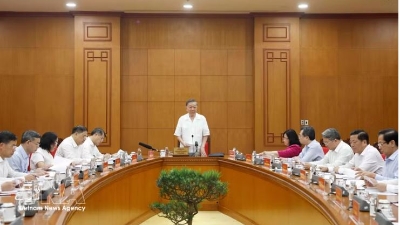
The policy direction was outlined in Notice No. 64-TB/VPTW, issued on May 22 by the Party Central Committee's Office, following a working session of Party General Secretary and State President To Lam with the Government Party Committee, and relevant agencies in Hanoi on May 19.
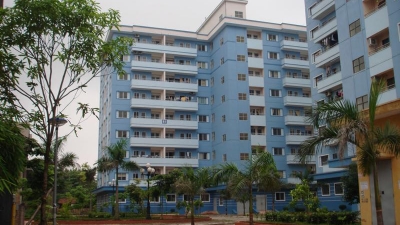
The notice identifies rental housing—particularly apartment developments in major cities, industrial parks, economic zones, and key economic corridors—as a strategic priority. The move marks a significant shift from Vietnam’s traditional housing model, which has largely focused on home ownership despite growing long-term rental demand among young workers and migrant laborers.
Authorities said expanding rental housing supply under a state-regulated market framework could help reduce pressure on homebuyers and improve living stability for millions of workers.
The government has also assigned agencies to study new land and credit policies to support rental housing development, review land reserves, and align housing projects with broader infrastructure planning.
In addition, officials have been instructed to strengthen measures against profiteering and speculative real estate activity, while accelerating the use of digital technologies in housing management.
Vietnam also plans to amend the Housing Law and the Real Estate Business Law in 2026, aiming to address persistent housing shortages and affordability challenges, particularly for low-income households.





 Google translate