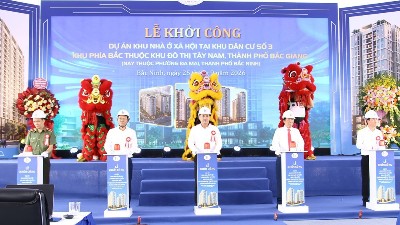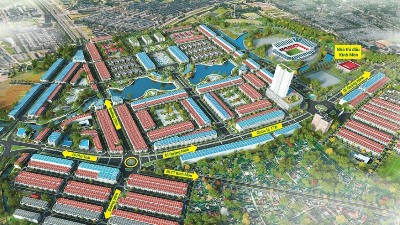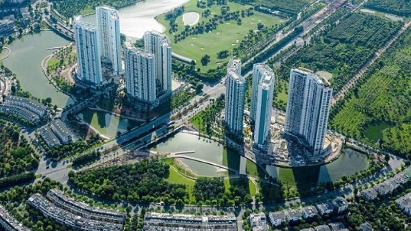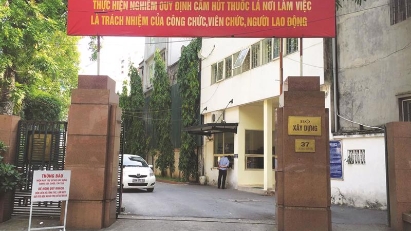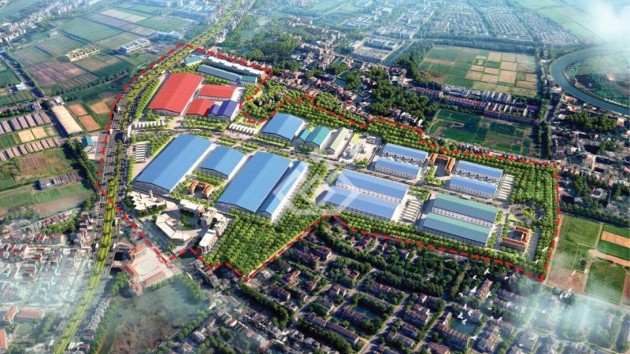
These projects have already received approved detailed planning and are part of the Mekong Delta city’s portfolio to invite independent social housing investment.
Thu Duc City in Ho Chi Minh City is to have industrial parks, export processing zones, and high-tech zones, resulting in huge demand for worker housing. The city plans to build accommodation for nearly 82,000 people at three locations in the high-tech zones.
Central Da Nang city is calling for investment in four social housing projects on a total area of 117,000 sq m. To satisfy the need for social housing, the city will invest public capital into other housing projects and call for other capital sources.
According to planning, the existing urban area in Long Thanh Trung ward in southern Tay Ninh province is to be turned into a multi-functional commercial and service, administrative, and urban tourism service center. The province is set to be a driving force for the southern key economic region’s development and a gateway for Vietnam’s international trade.
There are to be ten urban areas along Metro Line No.1 in Ho Chi Minh City, which will be densely populated and have synchronized technology and social infrastructure. Their total area will be over 577 ha.
Hundreds of commercial housing projects that are not on residential land have stalled and are unable to be implemented. A number of other projects have been completed, but financial obligations have not yet been fulfilled. These problems are part of the reason why the real estate sector’s contribution to the State budget remains low, at only about 7-8 per cent of GDP.
Construction of the Flamingo Hai Tien project - northern Thanh Hoa province’s first nightlife entertainment complex - began on October 16 in Hoang Hoa district. On nearly 20 ha and using 7D hologram technology, the international project will boast a complex of shopping - food - entertainment - sea sports situated around a pedestrian mall of 2,000 meters.