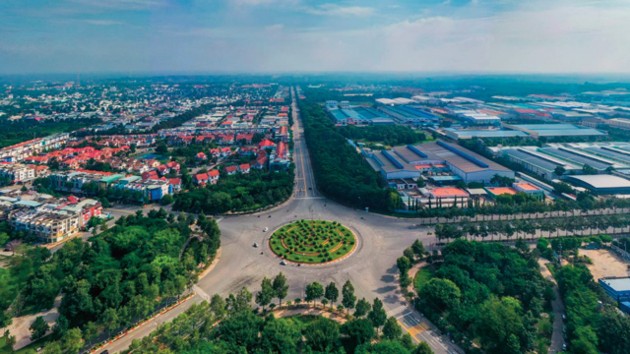
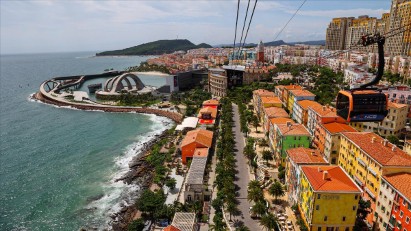
Its land use targets for 2030 indicate that the central province's planning will allocate more land for urban areas, industrial zones, commerce, services, and public works.
A number of amendments are contained within the draft revised Law on Housing, including rules on homeownership by foreign organizations and individuals.
Under the development strategy, Phu Quoc island is envisioned as an internationally competitive center for marine eco-tourism and services, supported by trade, logistics, and marine economic industries.
VARS recommends that the compensation rate for land should not be less than 100% of the land price determined according to the land price table and the K coefficient at the time of approving the compensation, support, and resettlement plan.
The policy applies to three groups of enterprises: high-tech enterprises in the private economic sector; small and medium-sized enterprises as defined by law; and innovative startups recognized according to regulations.
Vietnam’s maritime advantages are, in the modern world, represented by varied groups of marine assets that do not exist independently but rather work with and reinforce each other.