


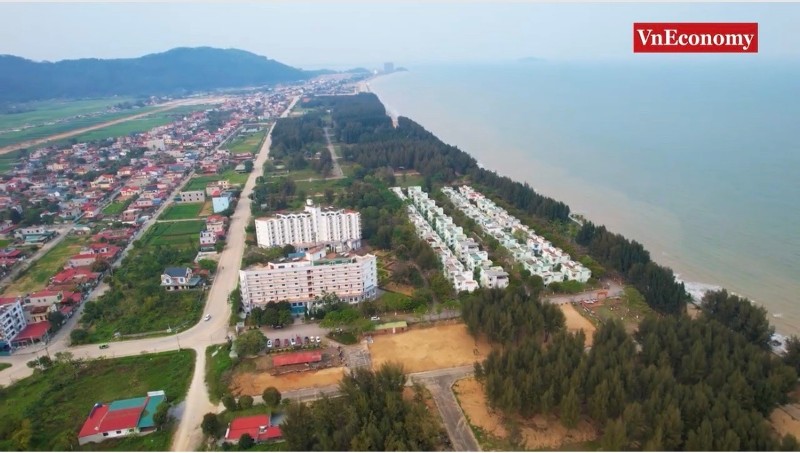
Vietnam’s silver economy could contribute up to 1.1% of the country’s GDP, equivalent to more than $5.6 billion based on the 2025 economic scale, according to the Asian Development Bank (ADB).
Meanwhile, the country’s senior living real estate market is forecast to reach $3.6 billion by 2032 from $2.3 billion in 2024.
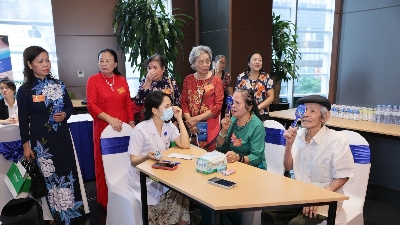
Vietnam is entering a period of rapid population ageing, with nearly 16.5 million people aged 60 and above. The trend is putting increasing pressure on healthcare, social security and the labour market, while creating new opportunities for the development of the silver economy.
The country currently has around 220 elderly care facilities serving approximately 15,000 people, highlighting a significant gap between demand and available services, particularly in senior living accommodation.
Market opportunities are expanding across healthcare, rehabilitation, tourism, financial services and assistive technologies.
However, attracting investment will require addressing barriers related to regulations, land access, financing and service accessibility.
Expanding social protection is equally important. Currently, only around 42% of older people receive pensions, social insurance benefits or retirement allowances.
Developing the silver economy must therefore go hand in hand with broader insurance coverage, accessible care services and improved quality of life. With appropriate policies, investment and workforce preparation, population ageing could become a driver of economic growth and sustainable development rather than simply a social challenge.




 Google translate