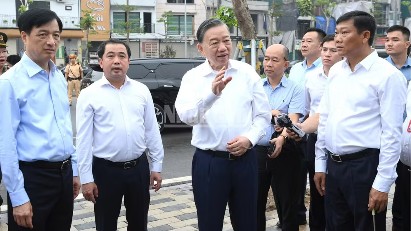
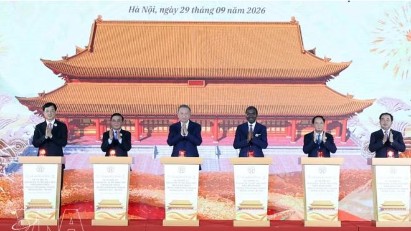
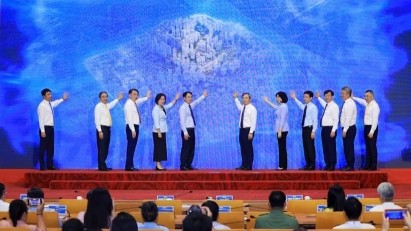
General Secretary and President To Lam stressed that timely completion will ensure smooth traffic along the ring roads, better meet residents’ travel needs and improve connectivity across the urban transport network.
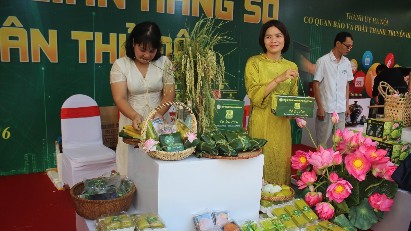
The program aims to translate national and municipal policies on digital transformation, the digital economy and e-commerce into practical initiatives, while implementing Hanoi’s plans for developing digital commerce.
The Provincial Innovation Index (PII) provides data and evidence to help local authorities design and implement measures to improve the effectiveness of innovation activities and strengthen their innovation ecosystems.
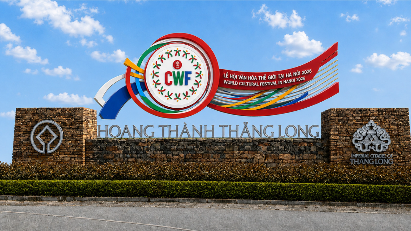
The second World Culture Festival in Hanoi is expected to bring together participants from 50 nations and international organizations to celebrate heritage, foster cultural diplomacy, and reinforce Hanoi’s standing as a UNESCO Creative City.
The conservation, restoration and rehabilitation of Kinh Thien Palace must be carried out on a scientific basis, with maximum respect for original elements, archaeological and historical evidence, and interdisciplinary research findings, while preserving the archaeological remains already unearthed.
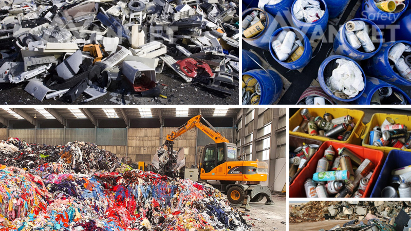
The move aims to eradicate illicit dumping of industrial solid waste or scrap into the environment, while maximizing sorting and recycling potential to feed recovered waste and scrap back into manufacturing supply chains as raw materials.
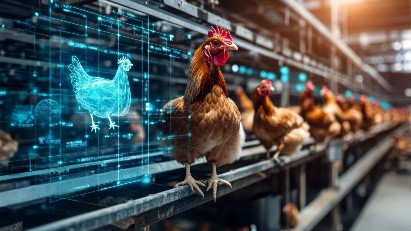
The conference aiming to place sustainability at the heart of scientific research, technological innovation and policymaking for the livestock sector in the coming years.
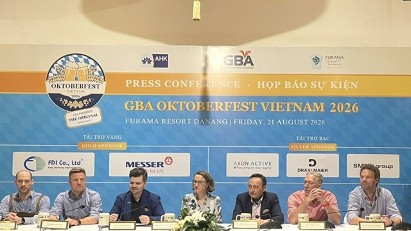
More than a German beer festival, the event is designed to serve as a cultural bridge connecting the German business community with local residents and international visitors.
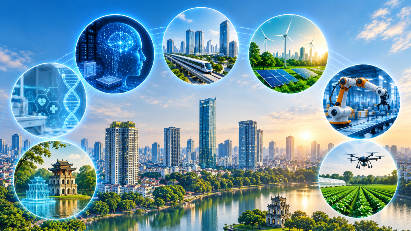
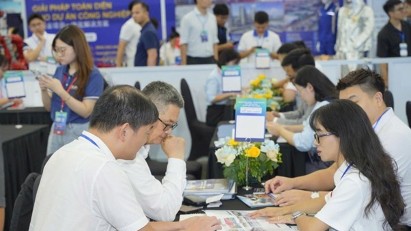
The capital is currently home to 221 science and technology enterprises, more than 1,000 innovative start-ups and nearly 11,000 digital technology companies.
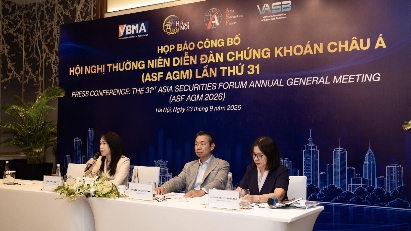
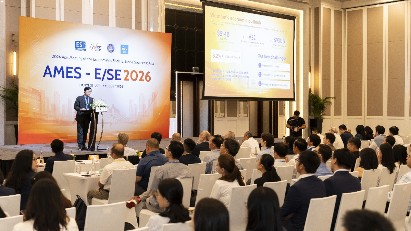
The event aims to foster evidence-based policymaking and contribute to shaping macroeconomic policies amid an increasingly uncertain global environment.