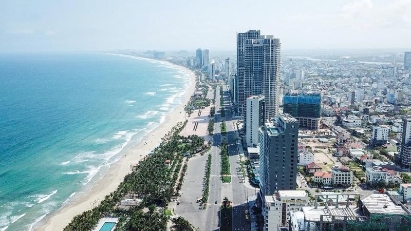
Alongside improving supply and liquidity, the recovery of Vietnam’s tourism industry is expected to remain a key driver supporting the growth of the resort real estate market.
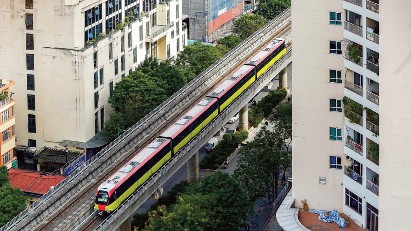
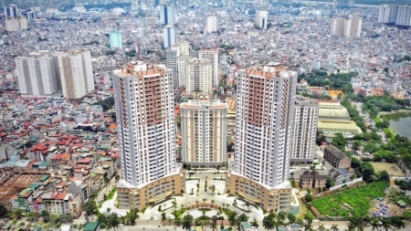
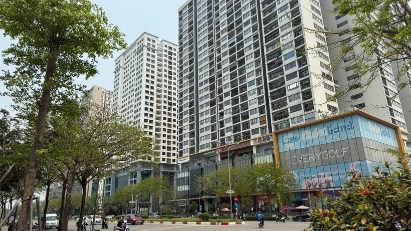
The launch of five new metro lines marks the beginning of Hanoi’s Transit-Oriented Development strategy, creating new opportunities for the capital’s real estate market.
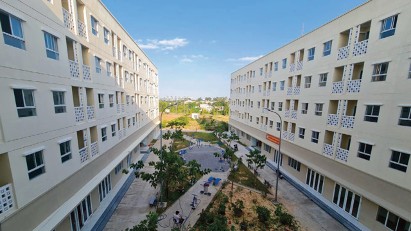
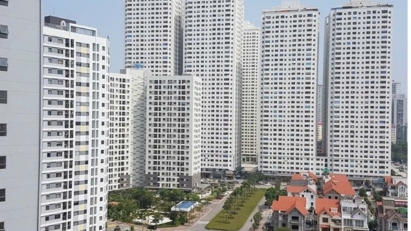
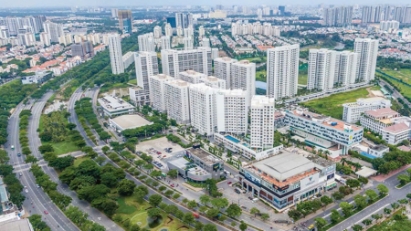
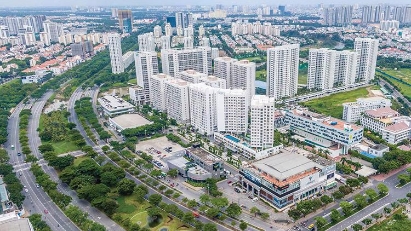
The country currently has 3,297 social and commercial housing projects and land plots in the pipeline, with the potential to supply around 5.9 million housing units.
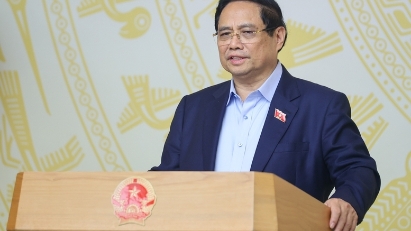
Commercial and social housing development must go hand in hand, supported by appropriate regulations and breakthrough solutions to expand social housing supply, according to Prime Minister Pham Minh Chinh.
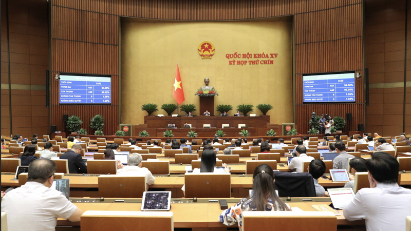
A provision that prohibits all State-owned enterprises from investing in real estate, with the exception of large-scale ones, awas deemed inconsistent with the Party’s policy on enhancing the operational efficiency of SOEs.