Success and failures from around the world offer Vietnam lessons on the way forward as it refines the institutional framework governing its oil and gas industry.
The result demonstrates the potential of Vietnam’s railways to serve different traveller segments, from those seeking affordable cultural and scenic experiences to visitors looking for high-end holidays.
The event bringing together industry professionals, businesses and technology providers to discuss the future of the country’s railway and infrastructure sectors.
The result puts Vietnam among the world's top 50 economies and reflects progress in developing digital infrastructure, advancing digital transformation, adopting new technologies and modernising governance.
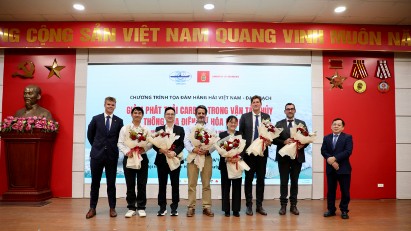
The seminar covered three main areas: strategy, the regulatory framework and practical needs; vessel architecture and smart control systems; and power conversion and shore charging infrastructure.
Close monitor of market prices, especially for fuel, food, fertilisers and construction materials is needed amid persistent global economic uncertainties, particularly fluctuations in energy, raw material and transport costs.
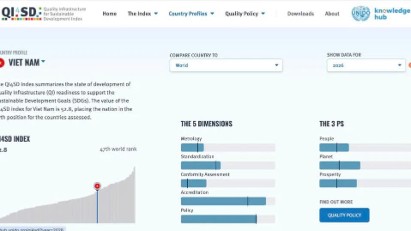
The index assesses the development of a country’s quality infrastructure and its contribution to achieving the United Nations Sustainable Development Goals.
Emerging technologies such as AI, big data, cloud computing and blockchain offer significant opportunities to improve financial services but also create increasingly complex security challenges.
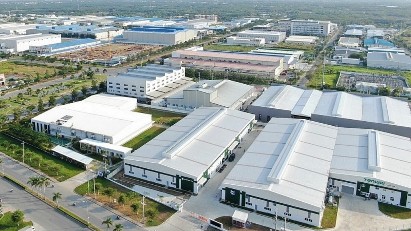
The move aims to improve the quality of industrial cluster investment while promoting more resource-efficient and environmentally responsible manufacturing.