


UOB has steadily expanded not only its footprint but also its strategic role in Vietnam, reinforcing the country’s position as one of the Bank’s most important markets in ASEAN.
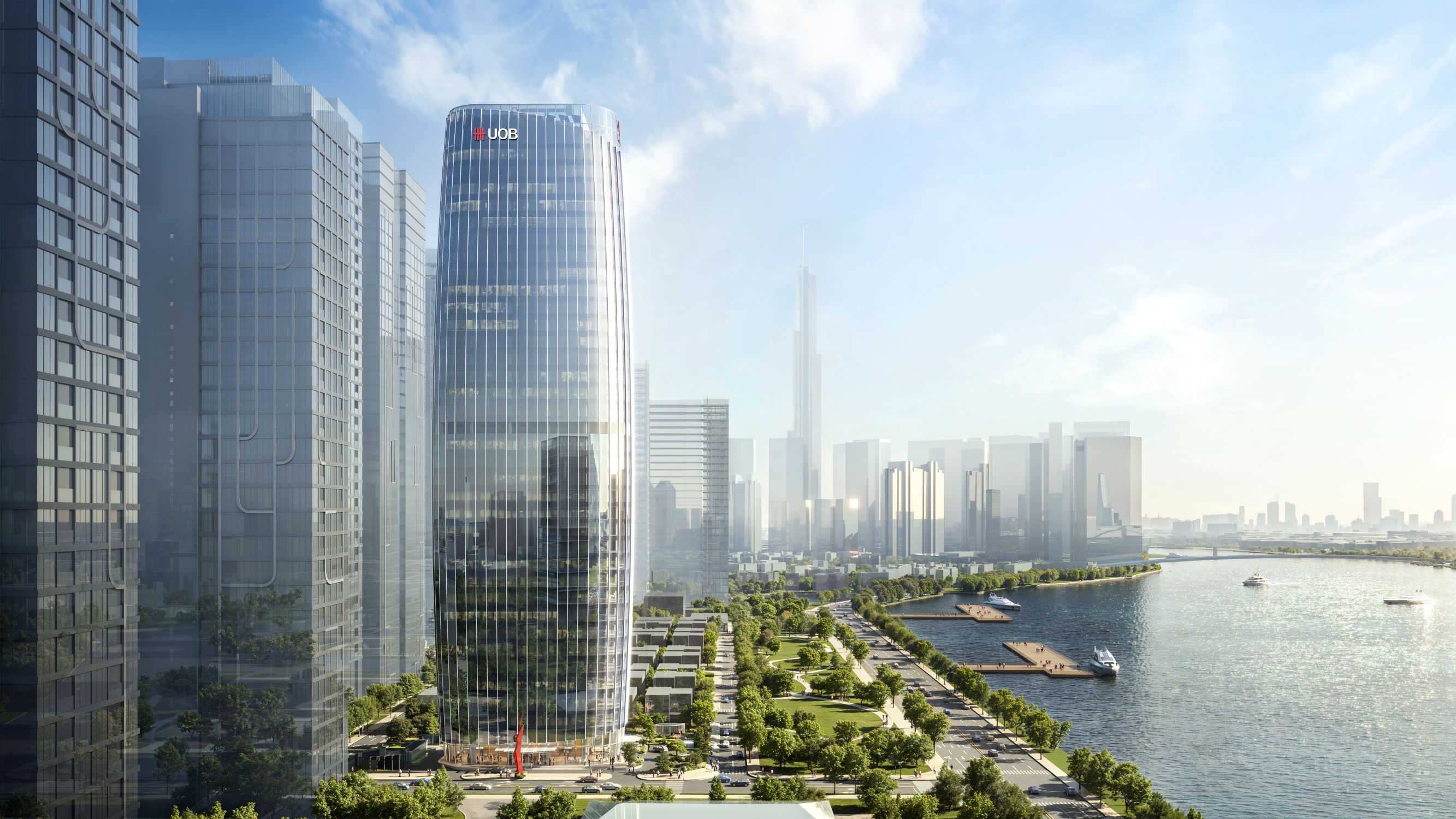
That confidence was further demonstrated by the groundbreaking of UOB’s new headquarters building-UOB Plaza Ho Chi Minh City in early July. With a total investment of $450 million, the project represents one of UOB’s largest investments in Vietnam to date.
According to Mr. Victor Ngo, CEO of UOB Vietnam, once completed, the new headquarters will further strengthen UOB’s ability to support clients’ growing cross-border business and investment activities while deepening its presence in Vietnam.
Anchoring UOB’s presence in Vietnam’s financial centre
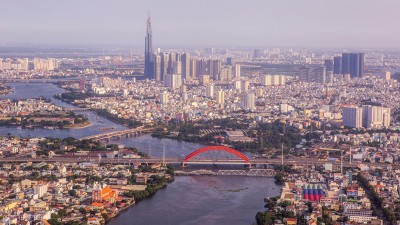
Located at No. 2 Ton Duc Thang Street within the Ba Son precinct (HCMC), the 36-storey Grade A office tower will rise 160 metres above the Saigon River and serve as UOB’s flagship headquarters in Vietnam.
The project also marks a significant milestone for Vietnam’s financial sector, as UOB becomes the first foreign bank to develop and own a purpose-built headquarters within the Vietnam International Financial Centre in Ho Chi Minh City (VIFC- HCMC).
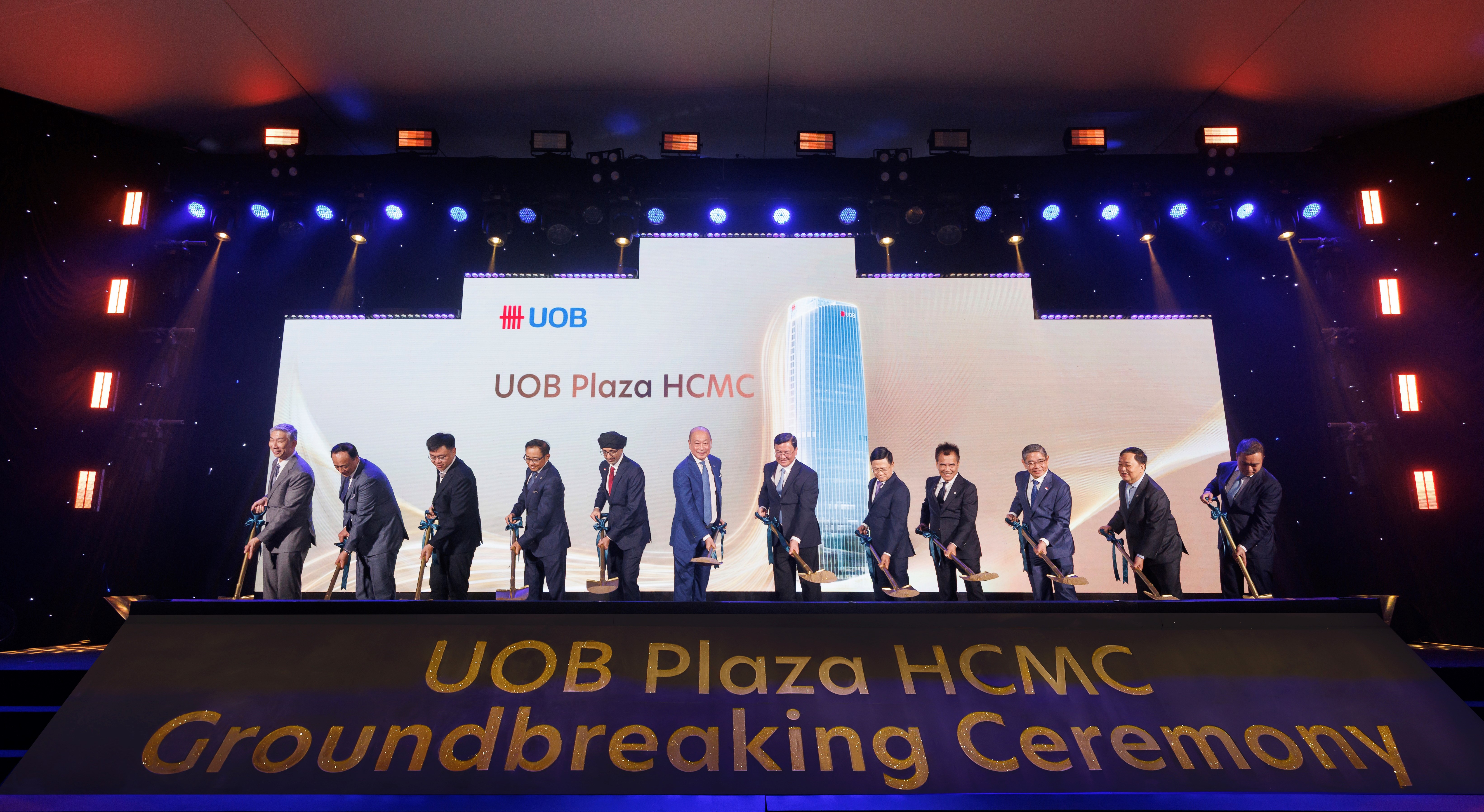
Notably, it will also reinforce UOB’s role in supporting Vietnam’s deeper integration into regional and global capital, trade and investment flows. Upon completion of the project, the Bank will establish its full headquarters footprint across its five core ASEAN markets including Singapore, Malaysia, Indonesia, Thailand and Vietnam, thereby further strengthening its unique regional network.
Mr. Ngo emphasised that establishing the new headquarters within the VIFC-HCMC is far more than a real estate investment. It is a strategic commitment to participate in and contribute to the next phase of Vietnam’s financial and economic development.
“By positioning ourselves within this emerging ecosystem from the outset, we can better support our clients, deepen our engagement with the market, and play a more active role in connecting Vietnam with regional and international opportunities,” he continued.
The decision also reflects the Bank’s confidence in Ho Chi Minh City’s development. The Bank intends to establish a branch presence within the VIFC HCMC and will continue working closely with government agencies, industry partners and other key stakeholders to support the Centre’s development and strengthen its position as an internationally connected financial hub.
“We believe the city has the foundations, ambition and momentum to become one of Asia’s most dynamic financial gateways, and we are committed to being part of that journey in the coming times,” Mr. Ngo said.
More than a workplace: Where people, ideas and innovation converge
While the new headquarters will strengthen UOB’s strategic presence, it has also been conceived as a workplace that reflects how financial institutions are evolving.
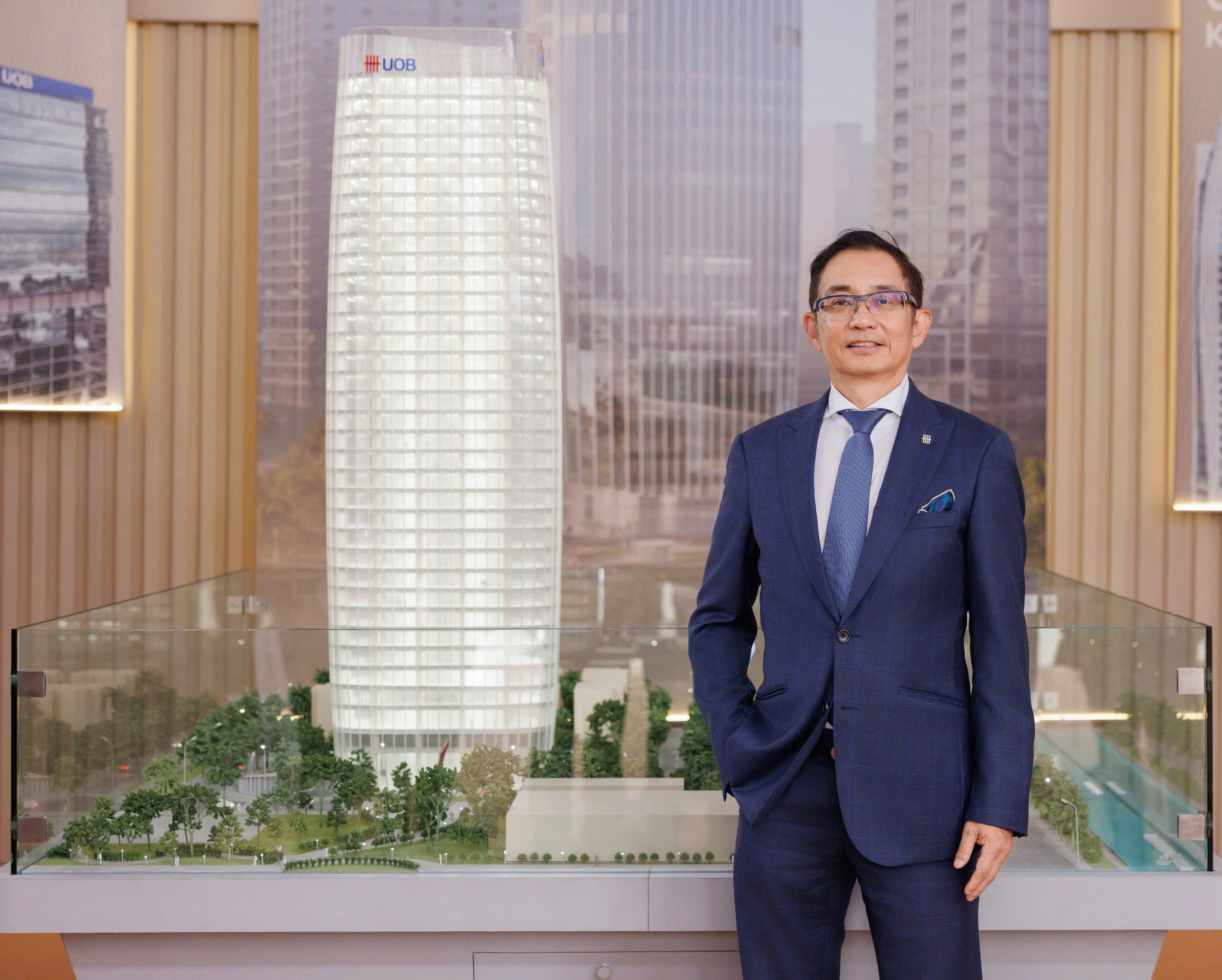
According to Mr. Ngo, the building is designed around people, placing equal emphasis on employee well-being, collaboration and innovation. Flexible workspaces, open layouts and shared areas will encourage interaction across teams, while abundant natural light, greenery and views overlooking the Saigon River are expected to create a healthier and more inspiring working environment.
Its location within the VIFC HCMC also offers strategic advantages beyond the office itself. Surrounded by leading financial institutions, public spaces and a vibrant riverside urban environment, the headquarters will become part of a broader ecosystem where businesses, talent and ideas can converge, creating new opportunities for collaboration and innovation.
“The architecture and interior layout have been carefully planned to encourage interaction and seamless movement throughout the workplace,” Mr. Ngo said.
Whether inside the building or in its surrounding public spaces, every aspect has been thoughtfully designed to facilitate engagement across teams and create opportunities for people to work together more effectively
“The headquarters aims to foster a workplace where employees feel connected, inspired and proud to be part of UOB Vietnam,” he added.
Looking beyond its function as an office, Mr. Ngo believes the building will become a lasting symbol of UOB’s enduring presence in Vietnam.
“Ultimately, we hope the new headquarters will not only serve as a workplace but also become a landmark that reflects UOB’s long-term commitment to Vietnam. Positioned within Ho Chi Minh City’s evolving financial district, we believe it will become one of the city’s iconic buildings and a source of pride for our employees, customers and the wider community,” Mr. Ngo concluded.




 Google translate