


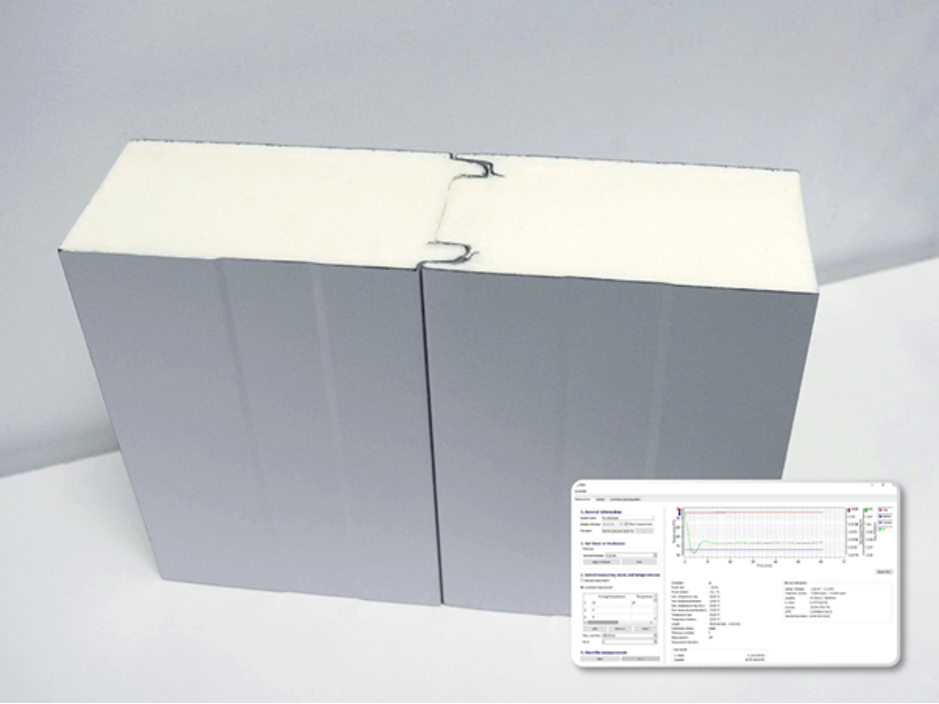
TONMATPAN Factory (under TONMAT Group) has announced the production of polyisocyanurate (PIR) panels using hydrofluoroolefin (HFO), marking a notable development in Vietnam's construction materials industry. This is the first panel in the market to combine environmental friendliness, production safety, and strong thermal insulation performance.
Breakthrough product: Vietnam's first HFO-based PIR panel
HFO has a very low global warming potential (GWP) and zero ozone depletion potential, which helps reduce its environmental impact. It is also non-flammable, non-toxic, and does not pose health risks to workers or users.
Tests indicate that conventional PIR panels have a thermal conductivity coefficient (Lambda λ) between 0.020 and 0.022 W/m·K, while TONMATPAN’s HFO PIR Panel achieves 0.01837 W/m·K, currently the lowest in Vietnam. A lower thermal conductivity coefficient means higher insulation performance, which can reduce energy loss and operating costs.
In addition to insulation, HFO PIR Panels offer mechanical strength, fire and moisture resistance, and long durability under harsh conditions. Their smooth, bright surface also makes them suitable for both industrial and modern civil and commercial projects.
Growing demand for "green" materials
Globally, countries are pursuing net-zero emissions, and green building materials are playing a more central role. Many developed markets have strict energy and environmental standards, requiring materials that are efficient, safe, and environmentally friendly. In Vietnam, the demand for such solutions is rising with rapid urbanization and the growth of industrial parks, logistics centers, commercial hubs, and high-end residential projects.
Sandwich panels can reduce electricity consumption by 20 to 40 per cent because of their low heat transfer coefficient, and indirectly lower CO₂ emissions by saving electricity in cooling and preservation systems. They also allow faster assembly and installation compared with traditional materials, which reduces construction time, labor, and long-term operating costs.
TONMATPAN’s HFO-based PIR Panels are positioned to meet energy and environmental challenges in modern construction. They can support cold storage and food preservation facilities in maintaining stable temperatures, manufacturing plants in operating safely with lower energy costs, large-scale factories and logistics centers with durability and efficiency, and civil or commercial buildings where energy efficiency and aesthetics are priorities.
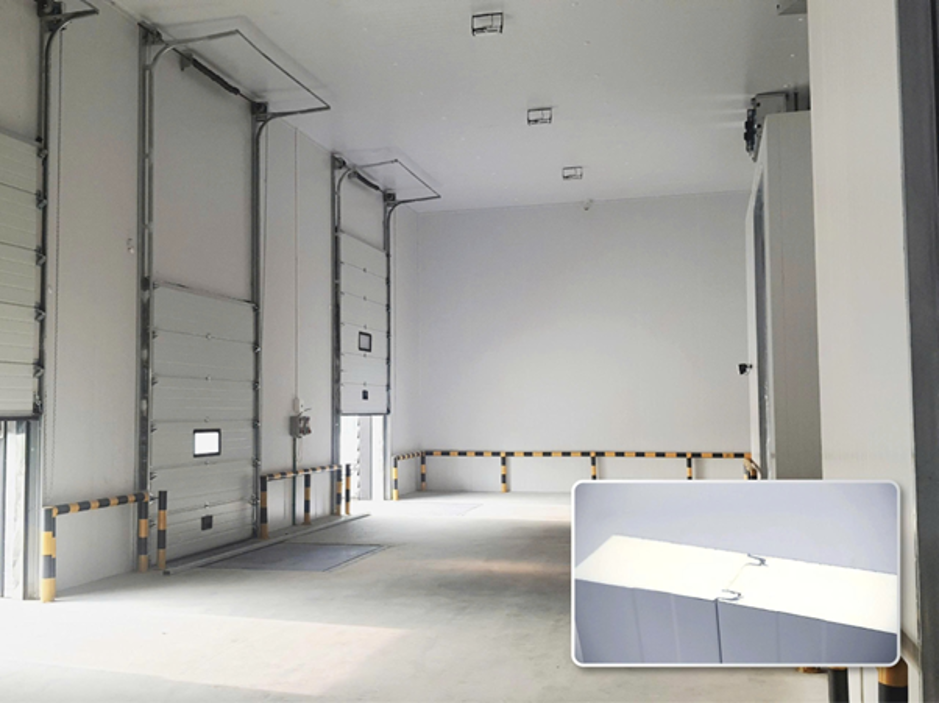
Mr. Tran Trung Kien, Deputy Director of TONMATPAN’s International Trade Department, said: “We have successfully applied HFO to produce PIR Panels with the lowest thermal conductivity currently available in Vietnam. This lays a foundation for TONMATPAN to meet the requirements of FDI projects in Vietnam and to participate in markets with strict standards for green materials, such as the EU, Japan, and the US.”
Green production towards a sustainable future
The production of HFO-based PIR Panels expands TONMATPAN’s product range and reflects the Group’s commitment to sustainable development. It aligns with broader goals of reducing emissions, saving energy, and supporting green economic growth in Vietnam.
Mr. Ha Van Lung, Head of Production at TONMATPAN, noted: “This step supports the development of modern, energy-saving, and environmentally friendly construction. It also demonstrates our capacity for research and innovation, while contributing to the growth of Vietnam’s thermal insulation materials sector.”
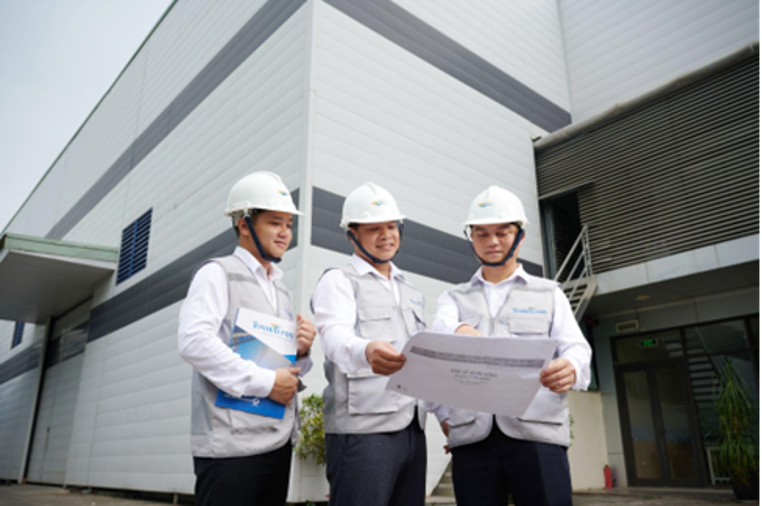
Looking ahead, TONMATPAN plans to continue investing in technology, improving product quality, and promoting green production. The company aims to meet domestic demand while also introducing “Made in Vietnam” green insulation products to international markets with strict standards, including the EU, Japan, and the US, supporting sustainable development both locally and globally.



 Google translate