


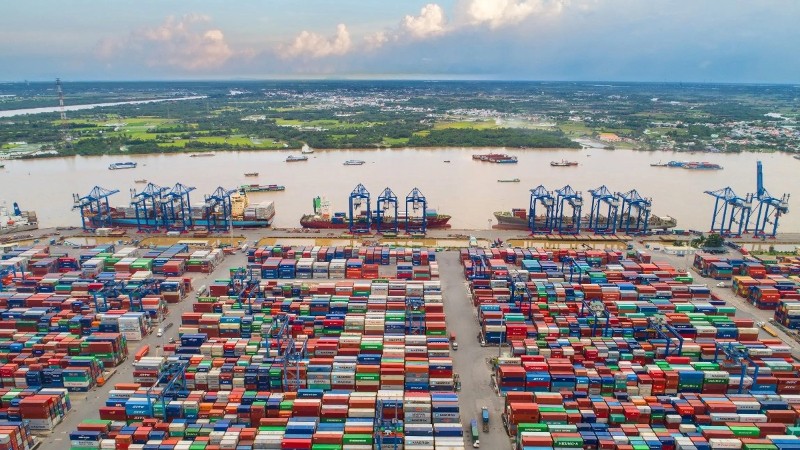
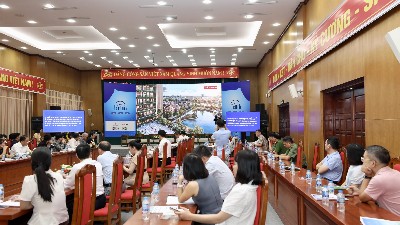
At a seminar entitled “Improving the Legal Institutional Framework for Logistics, Removing Bottlenecks, and Unlocking Development Space” organized by Industry and Trade Magazine under the Ministry of Industry and Trade (MoIT) on September 11 in Hanoi, delegates emphasized the need for a new approach to logistics, urging stronger coordination among state agencies and the perfection of the legal framework to reduce costs and processing time for businesses.
Mr. Bui Ba Nghiem from the Import-Export Department (MoIT) stated that perfecting the institutional framework remains the top priority in logistics development.
“Because logistics connects everything from production, circulation, and distribution to import-export and consumption, it falls under the jurisdiction of multiple agencies, meaning a single policy change can impact the entire supply chain system,” he said.
According to him, national logistics development cannot rely solely on infrastructure, enterprises, or human resources. In practice, delays of a few days for cargo vessels or shipments increase costs, raise inventory levels, cause delivery delays, and lead to missed business opportunities, particularly for seasonal goods.
Ms. Nguyen Thanh Huong, Deputy Head of the Commercial Infrastructure Division under the Domestic Market Management and Development Department (MoIT), noted that rapid growth in e-commerce and omnichannel retail has led to millions of small individual orders requiring fast delivery, real-time tracking, and seamless returns.
Consequently, the legal framework for logistics must shift from managing individual, isolated steps toward a comprehensive approach based on cargo flows and supply chains, she noted.
Mr. Ngo Khac Le, Deputy Secretary-General of the Vietnam Logistics Business Association (VLA), argued that legal regulations must stem from practical realities and match administrative capabilities. Existing bottlenecks regarding logistics time and costs directly undermine the competitiveness of Vietnamese goods.
Regarding legal improvement measures, Mr. Nghiem revealed that MoIT is collaborating with ministries, local authorities, and business associations to review and evaluate the implementation of Decree No. 163/2017/ND-CP on logistics services business.



 Google translate