


Amid profound shifts in global trade, driven by geopolitical tensions, regional conflicts, evolving tariff policies, and changing consumer behaviour, integrated logistics is increasingly reshaping supply chain structures.
No longer confined to transportation, logistics is evolving into a comprehensive ecosystem where data, infrastructure, and operational capabilities are integrated within a unified model to enhance resilience and optimise efficiency.
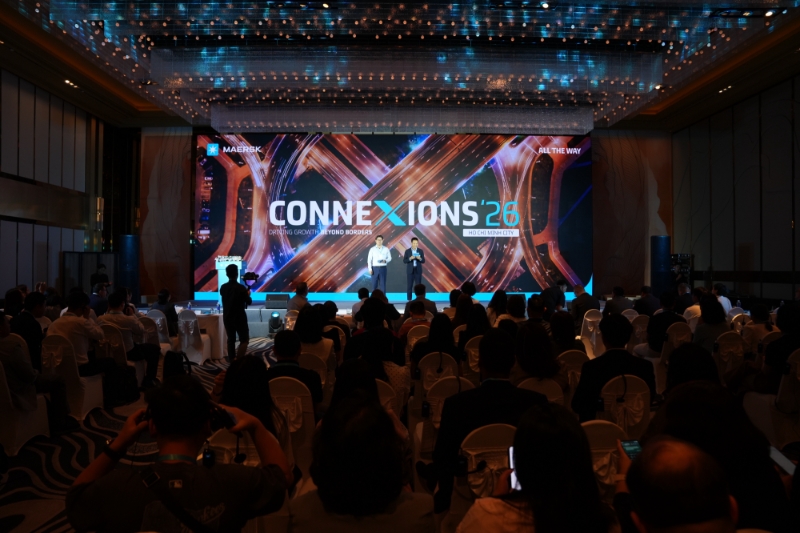
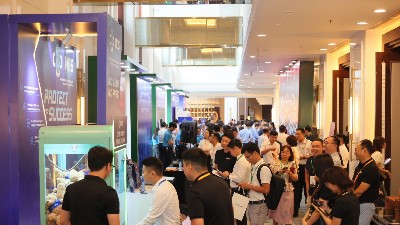
At the CONNEXIONS 2026 conference hosted by A.P. Moller - Maersk, with the participation of senior executives from the Mekong region and Greater China at Maersk, experts noted that global supply chains are entering a phase of structural transformation. In this context, integrated logistics is seen not only as an efficiency tool but as a strategic enabler, helping businesses adapt to increasingly complex operating environments. Instead of relying on fragmented service providers, companies are moving towards a single integrated operating model that connects ocean freight, inland transport, air freight, warehousing, customs clearance, and distribution.
This approach simplifies supply chains while enhancing transparency, improving control over documentation, and strengthening lead time reliability. As supply chain disruptions become more frequent, the ability to respond quickly and flexibly has become a decisive factor in maintaining business continuity.
Vietnam-China relations in a complementary role
Amid global supply chain restructuring, Vietnam is emerging as a strategically positioned destination within regional and global value chains. This rise is supported by strong fundamentals, including improving infrastructure, an extensive network of free trade agreements, and a dynamic, increasingly skilled workforce.
Vietnam’s GDP grew by 8.02 per cent in 2025, one of the fastest growth rates in over a decade, while FDI disbursement in manufacturing and processing reached $22.88 billion, accounting for 82.8 per cent of total realised FDI. These figures underscore strong global investor confidence in Vietnam as a production base.
At the same time, economic ties between Vietnam and China are becoming increasingly strategic. Bilateral trade reached $252 billion in 2025, up 26.5 per cent year on year, reflecting not only trade growth but a deepening structural manufacturing partnership.
China remains Vietnam’s largest source of raw materials, machinery, and intermediate goods, while Vietnam is strengthening its role as both a manufacturing hub and an export gateway to global markets. This complementary relationship is accelerating the development of cross border supply chain ecosystems.
However, as manufacturers expand production in Vietnam and move from simple relocation to full supply chain redesign, operational complexity is increasing. Compliance requirements, documentation management, and cross border coordination between Vietnam and China are becoming key factors influencing performance and risk exposure.
The need to comply with multiple free trade agreements, each with distinct rules of origin and documentation requirements, presents a significant challenge for businesses. These factors directly affect costs, lead times, and compliance risks.
According to Ms. Silvia Ding, Managing Director for Greater China at Maersk, supply chain resilience has become a strategic priority for Chinese enterprises expanding globally. She noted that Vietnam is no longer a fallback option but an integral part of global production networks.
Sustainability and digitalisation are reshaping
In this context, integrated logistics is not only about cost efficiency but also about managing structural risks at scale. For businesses operating under Vietnam China dual production models, the ability to manage ocean, inland, and terminal operations under a single coordinated system provides a clear advantage, offering a single point of accountability for both operational performance and compliance.
Mr. Kevin Stuart Burrell, Managing Director for the Mekong region at Maersk, said the company is focusing on strengthening integrated logistics capabilities by connecting ocean transport with inland logistics, warehousing, and customs services.
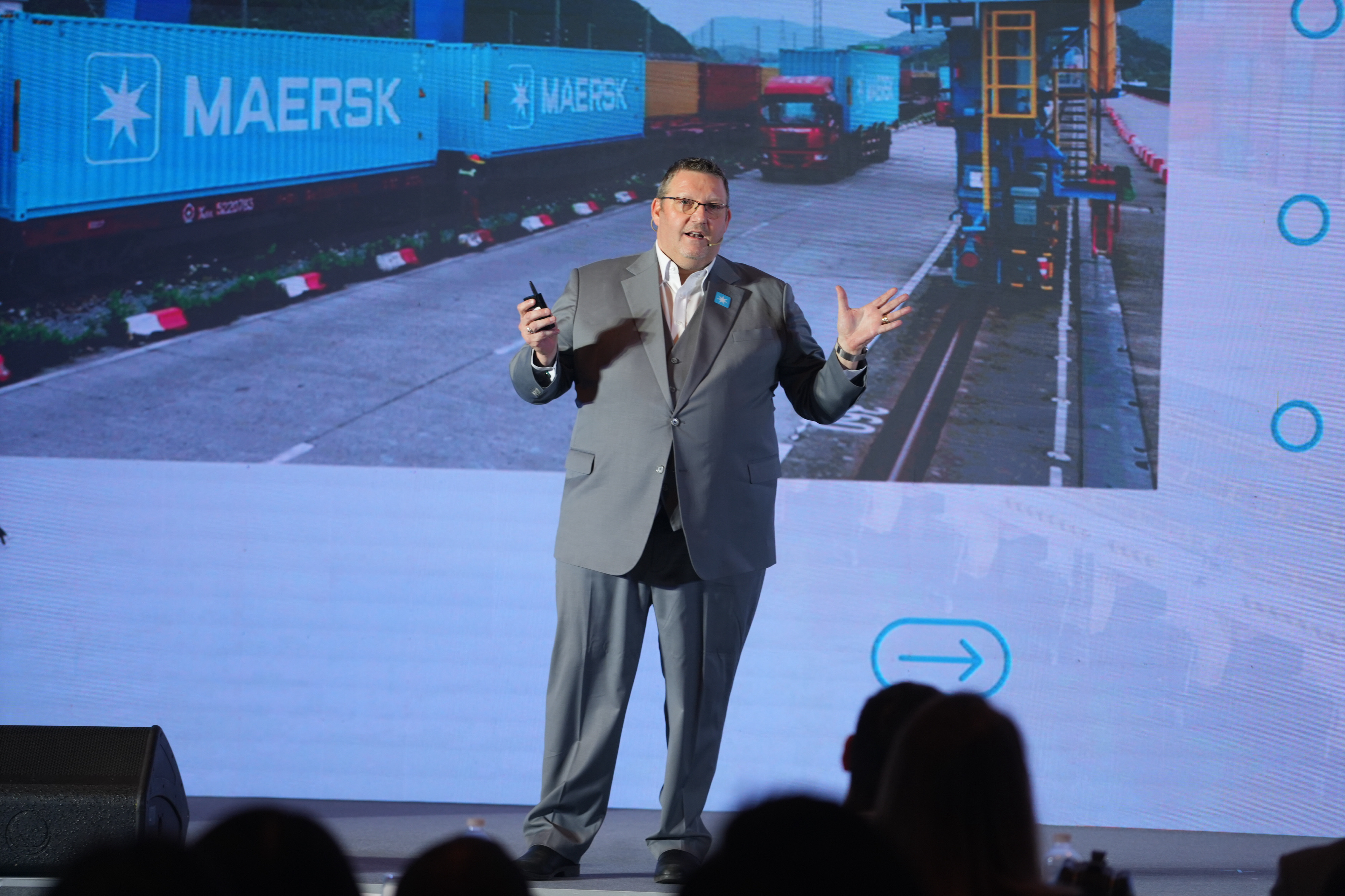
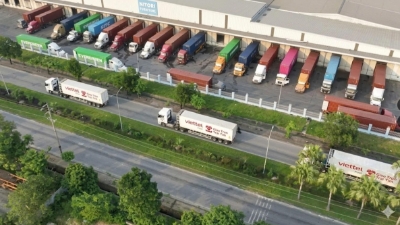
The expansion of bonded warehouse capacity in northern Vietnam in late 2024 highlights the strategic importance of the Hanoi and Hai Phong corridor, a key manufacturing hub for electronics and consumer goods. This investment reflects Maersk’s long term commitment to supporting supply chain development in Vietnam.
Speaking on the sidelines of the conference, Mr. Burrell emphasised that in an increasingly complex geopolitical environment, businesses must proactively adapt. Ensuring that cargo reaches its destination reliably, while maintaining transparency and communication with customers, remains the top priority.
"Maersk is focusing on three key pillars, ensuring the safety of cargo and customers, protecting seafarers and employees, and developing alternative transport solutions to mitigate disruptions." he added. By leveraging multimodal transport solutions across sea, land, and air, the company aims to maintain uninterrupted cargo flows.
The shift from a traditional shipping line to an integrated logistics provider has significantly enhanced operational flexibility, enabling faster responses to supply chain shocks and supporting customers in maintaining stable operations.
Beyond operational efficiency, sustainability is becoming a critical requirement for modern supply chains. As major markets such as the EU and the US tighten environmental standards and carbon regulations, green logistics is increasingly essential to maintaining export competitiveness.
Maersk has set a target to achieve net zero emissions by 2040. To support this goal, the company is investing in solutions such as electric trucks, dual fuel vessels, and energy efficient logistics operations.
However, the transition remains in its early stages and continues to face challenges due to the sector’s reliance on fossil fuels. In the event of significant disruptions in energy supply, even leading companies may face constraints. Nonetheless, diversifying energy sources and reducing dependence on traditional fuels is becoming increasingly necessary.
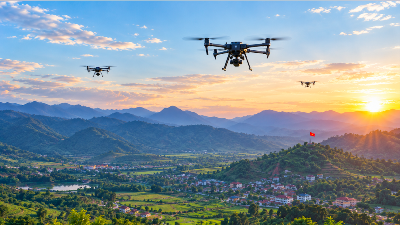
At the same time, digital transformation is playing a vital role in improving supply chain performance. The application of big data and artificial intelligence enables more accurate demand forecasting, route optimisation, and operational efficiency.
These capabilities are particularly relevant for Vietnam’s key export sectors, including electronics, textiles, and agriculture, where precision in delivery and handling is critical.
With more than 35 years of presence in Vietnam and a strong network of port infrastructure, including Cai Mep and Lach Huyen, global logistics providers are contributing to enhancing the country’s competitiveness.
Experts believe that by effectively combining integrated logistics, digital transformation, and sustainability, Vietnam can not only strengthen its position as a manufacturing hub but also emerge as a modern logistics centre in the Mekong region in the years ahead.
 Google translate