



Global market researchers and consultants Fortune Business Insights has reported that the global digital content creation market is set to surge from $35.1 billion this year to $58.36 billion by 2032, driven by a compound annual growth rate (CAGR) of 14.17 per cent. The clout of content creators is rising rapidly in Vietnam, shaping consumer behavior, influencing communication trends, and driving engagement across digital platforms. But with that growing influence comes mounting pressure for greater transparency, stronger professional standards, and a deeper sense of accountability to the public.
The “Trust Barometer Special Report: Brand Trust in 2020” report from global communications company Edelman revealed that 70 per cent of consumers now view brand trust as more important than ever. The question of how creators uphold public trust has emerged as one of the most pressing issues in the creator economy. It will also take center stage during Vietnam iContent 2025 - a program honoring the contributions of digital content creators in Vietnam, organized under the direction of the Ministry of Culture, Sports and Tourism (MoCST).
Where trust takes shape
Across Vietnam’s rapidly-growing consumer landscape, trust has become the strategic foundation shaping how brands communicate and creators build influence.
According to Ms. Bui Dang Duyen Mai, Head of Public Affairs, Communications, and Sustainability at Coca-Cola Vietnam and Cambodia, the company views trust as “a journey from belief to love,” a philosophy that has guided its three decades of operations in Vietnam. Beyond consistent product quality, the brand has strengthened its positioning by investing in workplace culture and embedding itself in everyday consumer rituals.
Coca-Cola’s ability to localize global branding has become central to this strategy. Seasonal elements such as the familiar “golden swallow” motif on Tet packaging or consumer activations, ranging from music festivals to personalized cans, are designed to sustain emotional relevance across diverse demographic groups. The company’s approach underscores a broader shift throughout the consumer goods sector: trust is built not through one-way messaging but through repeated, meaningful touchpoints that reflect cultural participation and community presence.
Mr. Nguyen Huu Hoang, Sustainability Manager at Heineken Vietnam, noted that consumers, particularly Gen Y and Gen Z, increasingly prioritize wellness and responsible consumption. This trend has accelerated Heineken’s rollout of low-alcohol products and its long-term collaboration in road safety campaigns.
To institutionalize these commitments, the company enforces a Responsible Marketing Code containing strict criteria on transparency, targeting, and brand partnerships. At least 10 per cent of its media budget is allocated to promoting responsible drinking, and all communication must reach an audience that is at least 70 per cent over 18 years of age. Influencers must be at least 25 and embody behavior aligned with the brand’s values.
The evolution of trust is also transforming the creator ecosystem. Content creator Hoang Van Khoa (PewPew) described a landscape where authenticity, emotional nuance, and narrative clarity have become essential to brand communication. As digital platforms proliferate, creators act as brokers of credibility, translating corporate messages into relatable, real-world experiences.
Fifteen years ago, creators operated with limited tools and minimal monetization options. Today, advances in livestreaming infrastructure, digital payments, and AI-powered recommendation systems allow creators to build sustained, multi-platform communities. Yet technological growth also brings competitive pressure: audiences expect novelty, and brands require content that can differentiate across markets. This forces creators to innovate continuously, adopting new formats and approaches to maintain engagement.
Mr. Khoa argues that the current moment is particularly favorable for young creators entering the field, but sustainable growth depends on an ecosystem where brands uphold product quality, regulators ensure fair practices, and creators maintain transparency with their audiences. Trust, he said, remains the linchpin of that ecosystem.
For Ms. Hannah Nguyen (Hannah Olala), beauty influencer, businesswoman, and member of the UNICEF International Council, trust functions as the “only currency that never depreciates.” While digital fame has become more accessible than ever, the low barrier to entry has also amplified misinformation and blurred ethical boundaries.
She emphasized that creators must adopt transparent, accountable practices, both to safeguard consumers and to uphold the credibility upon which their careers depend. Her own experience, including recognition from major brands and organizations, illustrates that consistent trust-building is becoming a defining differentiator in a crowded influencer market. “Vietnam’s creator economy will only thrive when creators take responsibility for the products and messages they put into the world,” she said.
Integrity gap
Vietnam’s digital advertising landscape is entering a period of overdue correction. Over the past year, a wave of controversies involving Key Opinion Leaders (KOLs) and brands, from misleading promotions to the sale of counterfeit or sub-standard goods, has exposed structural weaknesses in how influence is commercialized online. The problems, regulators say, stem from both inadequate legal awareness among creators and a regulatory framework struggling to keep pace with digital commerce.
According to Mr. Le Quang Tu Do, Director of the Authority of Broadcasting, Television, and Electronic Information at MCST, many KOLs and Key Opinion Consumers (KOCs) still operate under the misconception that social media exists outside of legal accountability. New advertising regulations expected in Vietnam this year aim to tighten oversight and introduce stronger training programs to elevate professional and legal standards across the creator economy.
For brands, the risks of misinformation extend beyond regulatory breaches. As Ms. Vu Hai Anh, General Manager of Publicis Media in Vietnam, noted, the sheer velocity of content circulation poses a growing threat to brand reputation. The rise of AI further complicates matters by eroding the boundary between authentic and synthetic content, making it harder for audiences to discern factual information and increasing the likelihood of brand misrepresentation.
This heightened risk also applies to long-term collaboration with KOLs, whose influence may persist years after a campaign ends. As a result, brands are reassessing how they evaluate and engage creators, prioritizing transparency and measurable credibility over reach alone.
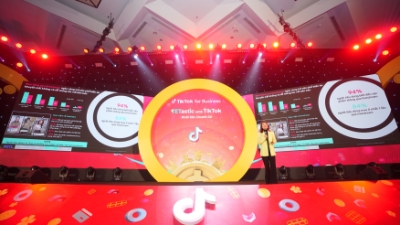
Vietnam’s major digital platforms are also tightening governance as they face pressure to curb harmful content and safeguard users from fraud. According to Mr. Nguyen Lam Thanh, Head of Public Policy and authorized Head of Representative Office, Vietnam, at Chinese multinational internet technology company ByteDance, which created TikTok, TikTok Vietnam has introduced zero-tolerance enforcement policies, strengthened community standards, and expanded tools that allow users to report illegal or harmful content.
TikTok is also deepening its role in e-commerce oversight. TikTok Shop enforces strict seller compliance requirements, rejecting around 70 per cent of new seller applications and processing more than 99 per cent of refunds on time. The platform has become an increasingly formalized commercial ecosystem, home to more than 6 million revenue-generating accounts contributing taxes to the State.
According to Ms. Nguyen Thi Duy Phuc from Meta in Vietnam, new multilayered filtering systems are being used to flag harmful content, while the platform expands training programs for creators to ensure they meet community standards. With the introduction of Meta AI, the company has also added transparency tools such as AI-content labeling, designed to help users identify synthetic or modified material. It argues that protecting users and enabling creativity are not contradictory goals but parallel pillars of a sustainable digital environment.
Ms. Huynh Phuong from YouTube in Vietnam, meanwhile, said the platform removed 11 million violating videos last year alone and restricts monetization to creators who demonstrate compliance and public safety.
Publicis Media believes reliability is becoming the decisive factor, especially in a climate where reputational risks accumulate quickly and AI-generated misinformation spreads easily. As such, brands increasingly seek creators who can co-create responsibly and deliver messages that reflect genuine consumer value.







 Google translate