


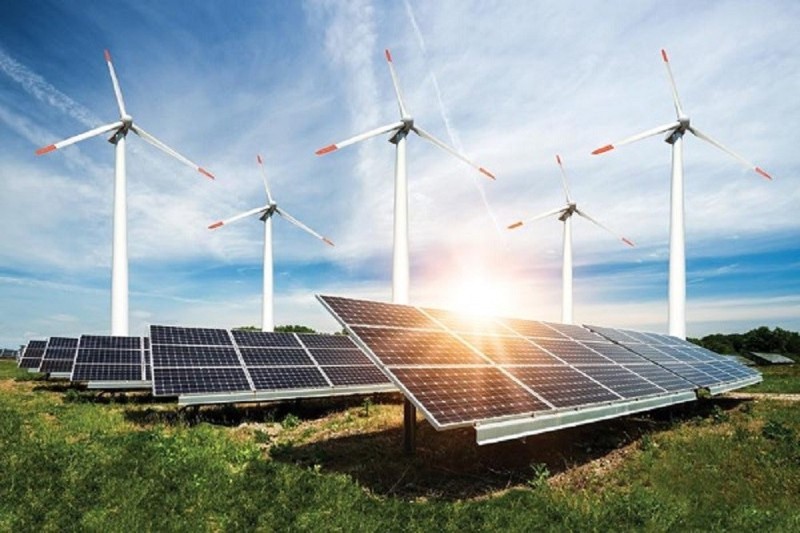
Vietnam’s solar and wind power capacity has expanded significantly, with the two sources accounting for approximately 19% and 7% of the country’s electricity mix, respectively, in 2025, according to Ms. Nguyen Thi Thu Huyen of the Institute of Energy under the Ministry of Industry and Trade.
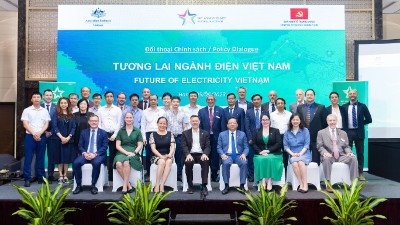
Speaking at the recent “Clean Energy for a New Era of Growth” forum, Ms. Huyen said the figures highlighted the increasingly important role of renewable energy in Vietnam’s power sector.
Vietnam has favourable conditions for expanding clean energy sources, including onshore and offshore wind, rooftop solar, biomass and emerging energy technologies. Under power development planning scenarios, solar power capacity could reach hundreds of thousands of megawatts, while offshore wind capacity could exceed 100,000MW by 2050.
However, the energy transition faces significant challenges. Growing electricity demand from data centres, artificial intelligence and electrified transport requires reliable, stable and affordable power supplies. Meanwhile, the existing transmission grid, dispatch capabilities and energy storage infrastructure have yet to keep pace with these demands.
Experts at the forum proposed a range of long-term solutions. Dr Vo Tri Thanh, Director of the Institute for Brand and Competitiveness Strategy Research, stressed that the transition to clean energy must follow a roadmap suited to Vietnam’s economic development. Adjustments to power planning should take into account implementation capacity, access to partners and the ability to master technology.
He also highlighted the need for coordinated efforts to address policy and regulatory challenges, mobilise investment, develop energy infrastructure, strengthen technological capabilities and train highly skilled workers.
Dr Mai Duy Thien, Chairman of the Vietnam Clean Energy Association, said expanding clean energy required more than simply increasing power generation capacity. Instead, a comprehensive approach was needed, integrating planning, transmission, distribution, demand-side management and financing.


 Google translate