


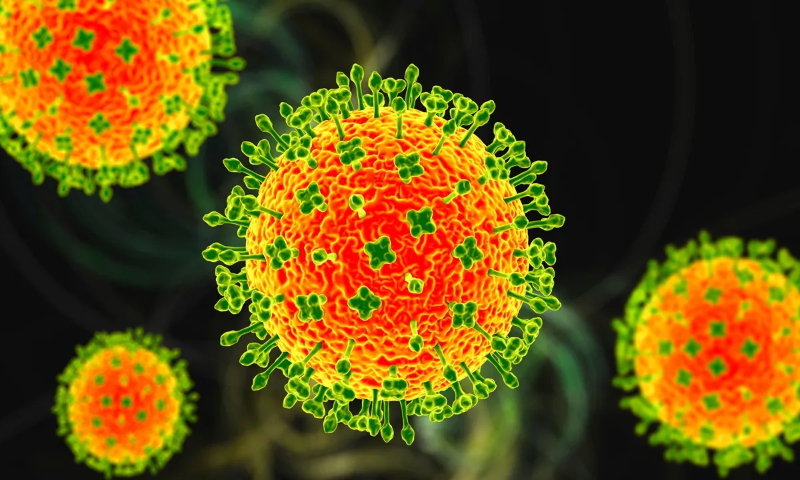
As of January 26, Vietnam has not recorded any cases of infection caused by the Nipah virus, a Group A infectious disease transmitted from animals to humans or through contact with contaminated food and items, according to the Ministry of Health (MoH).
The MoH stated that according to information from the infectious disease surveillance system, between December 27, 2025, and January 26, 2026, India recorded five suspected cases of Nipah virus (including two laboratory-confirmed cases) at a hospital in West Bengal.
The Nipah virus was first identified in 1999 in Malaysia. By 2001, human cases of Nipah virus were first recorded in Bangladesh and subsequently in India.
According to WHO, Nipah virus cases have been recorded sporadically in small-scale outbreaks in several countries, but it has not yet formed large-scale epidemics. However, the case fatality rate among hospitalized patients is high, ranging from 40% to 75%. Currently, there are no specific vaccines or treatments available for either humans or animals.
The incubation period for the virus is typically between 4 to 14 days. Infected individuals may experience symptoms such as headaches, muscle pain, vomiting, and a sore throat. These symptoms can progress to dizziness, drowsiness, altered consciousness, and neurological signs indicative of acute encephalitis (inflammation of the brain).
The MoH has directed local authorities to strengthen surveillance and disease prevention measures at border gates, healthcare facilities, and within the community, while remaining ready to deploy response measures.
The MoH affirmed that it will continue to closely monitor the epidemic situation and coordinate with the WHO and other nations to provide timely guidance on appropriate and effective prevention measures.
To proactively prevent the disease, the ministry recommends that citizens limit travel to areas with active Nipah virus outbreaks unless absolutely necessary.
Additionally, individuals are advised to monitor their health for 14 days after returning from an outbreak region. If symptoms such as headache, muscle pain, vomiting, sore throat, dizziness, drowsiness, confusion, or seizures occur, they should immediately contact the nearest medical facility, limit contact with others, and clearly report their travel and epidemiological history to healthcare staff.






 Google translate