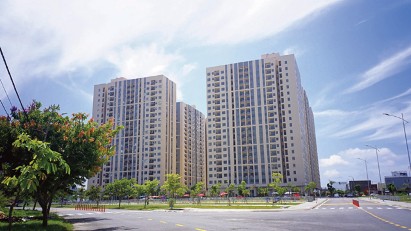
A range of new policies have been forthcoming as the government’s focus turns to prioritizing rental housing as purchase prices remain beyond the means of most people.
Hanoi is continuing to expand its housing supply across the social, rental and commercial segments as part of efforts to meet growing demand and improve housing affordability, according to a new report by the municipal People's Committee.
The northern province is focusing on expediting delayed projects and implementing a strategic shift in governance mindset—moving from "homeownership" to "rental housing" to meet the needs of workers in industrial parks and economic zones.
Northern Quang Ninh Province announced strategic planning and granted investment certificates, which included the groundbreaking of a social rental housing project in Uong Bi Ward.
Policymakers and industry leaders discuss what is needed for affordable rental housing to facilitate Vietnam’s next stage of urban and real estate development.
Mr. Nguyen Van Dinh, Vice Chairman of the Vietnam National Real Estate Association, Chairman of the Vietnam Association of Realtors (VARS), and Director of the Vietnam Institute for Real Estate Research (VARS IRE), tells Huyen Ngan about the need to build a more balanced and sustainable rental housing market.
The government is positioning rental housing as a strategic pillar of Vietnam’s housing policy, aiming to boost supply, improve affordability, and support sustainable real estate market development.
Rental housing considered important in restructuring the real estate market and meeting real housing demand while promoting sustainable urban economic development.
Rental housing, particularly apartment developments in major cities, industrial parks, economic zones, and key economic corridors, is identified as a strategic priority.
Party General Secretary and State President To Lam stressed that citizens should have access to stable, safe and affordable housing suited to eligible beneficiaries, with rental housing becoming a long-term pillar.