


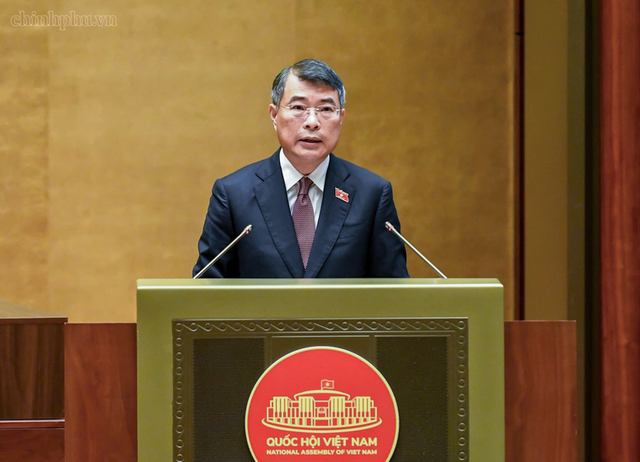
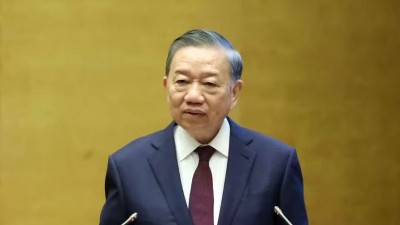
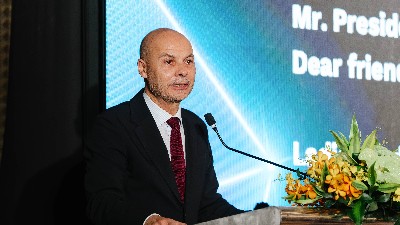
Vietnam’s foreign trade is expected to hit a new record of $1.11 trillion by the end of this year, or a year-on-year increase of 30.4 percent, Prime Minister Le Minh Hung told the second session of the 16th National Assembly which opened in Hanoi on October 17 morning, according to the Government News.
According to the Prime Minister, State budget revenue for the whole year is estimated at VND 3.06 quadrillion ($118.17 billion), up 14 percent year on year, while total value of tax exemptions, reductions, and deferrals is expected to reach approximately VND360 trillion.
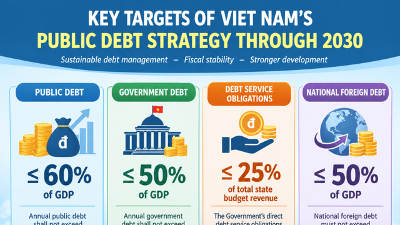
By the end of this year, public debt is estimated at approximately 33–34 percent of GDP; government debt at 32–33 percent of GDP; and foreign debt at 28–29 percent of GDP. The budget deficit would reach around 4.1 percent of GDP.
The Prime Minister said that the Government has set the GDP growth goal of over 10 percent while GDP per capita is projected to increase to $6,100 for 2027.
The Government also targets to keep CPI below 4.5 percent, raise average social labor productivity by 8.6 percent, and reduce multidimensional poverty rate by 1–1.5 percentage points.
Prime Minister Hung said the Government will continue to focus on the following solutions:
(1) Promoting economic growth while maintaining macroeconomic stability;
(2) Improving institutions and the legal framework, enhancing quality, and bringing about clear improvements in implementation and enforcement;
(3) Speeding up the restructuring and reform of the development model, strengthening the economy's internal capacity, independence, self-reliance, and resilience;
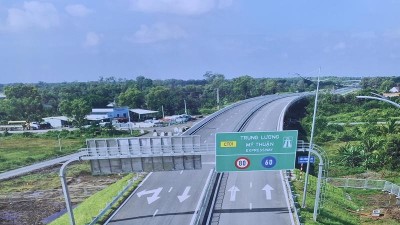
(4) Developing strategic infrastructure in a coordinated and modern manner, particularly major, high-priority, and interregional projects;
(5) Making breakthroughs in science and technology, innovation, and digital transformation;
(6) Bringing about substantive and visible improvements in the quality of education and training, and developing a highly skilled workforce;
(7) Bringing about fundamental and substantive improvements in cultural, social, and healthcare development, ensure social welfare, and improve people's living standards;
(8) Bringing about fundamental improvements in the management, extraction, and use of natural resources, environmental protection, disaster prevention and control, and climate change adaptation;
(9) Strengthening national defense and security and promoting foreign affairs and international integration, particularly economic diplomacy and technology diplomacy; and
(10) Enhancing implementation capacity.
 Google translate