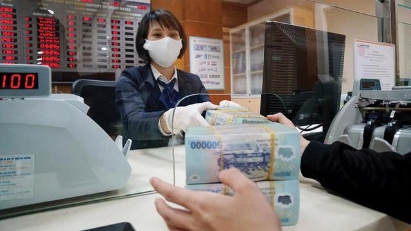
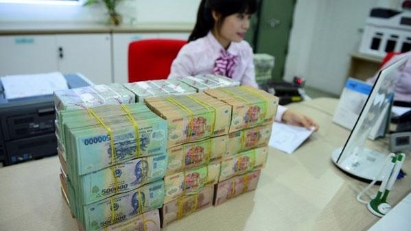
Though interest rates are at their lowest level for many years, credit has not yet developed to the extent possible. In Hanoi, which accounts for 25 per cent of the country’s lending, credit in October increased only 0.95 per cent compared to September; the lowest month-on-month increase in the past six months.
Financial companies are looking for ways to restructure and strengthen their capacity and aim to sell part of their capital to major foreign financial groups. Foreign investors, meanwhile, are taking strategic steps to anticipate a consumer credit boom in Vietnam.
Consumer stocks will be the most profitable in 2022, as will Bank stocks, according to VnDirect. Other industries with promise include Industrial Goods and Services, Real Estate, and Oil & Gas.
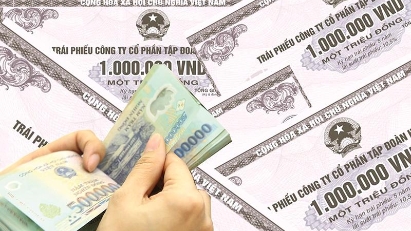
After nine months of implementing new regulations on corporate bond issuance, the market continues to exhibit many problems. To upgrade the Vietnamese market from a marginal market to an emerging market, the Ministry of Finance is strengthening management and supervision and accelerating the restructuring process. From there, the market will meet standards in publicity, transparency, and safety as well as other factors, to build and develop a stable and sustainable financial market and integrate with the world’s financial and monetary markets.
Analysts suspect that the high profits posted by banks in the first nine months of the year is due to accrued interest, with the purpose of exhibiting financial capacity so they can more easily issue bonds to raise capital. A representative from the Vietnam Banks Association said that accrued interest is a “double-edged sword”.
Taxes on business households incurred in the second half of 2021 are to be exempted, an online training course held by the General Department of Taxation heard. Exempted taxes include personal income tax, value added tax, special consumption tax, natural resources tax, and environmental protection tax.