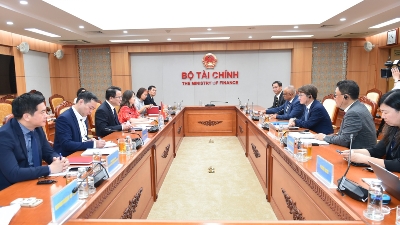
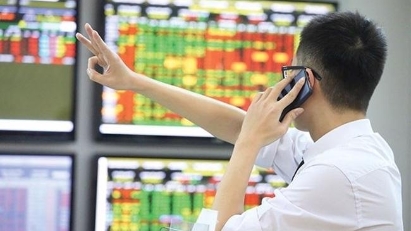
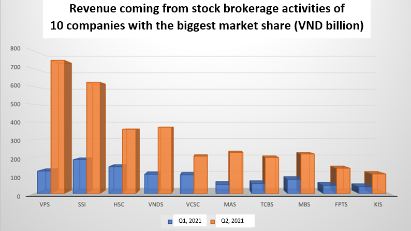
The trading system at the Ho Chi Minh Stock Exchange (HoSE) has continually encountered “order congestion” since the end of 2020 as liquidity rises sharply. The Ministry of Finance (MoF) has requested an increase in the trading lot size to a minimum of ten shares and support for businesses to switch listings from the Hanoi Stock Exchange (HNX) to HoSE.
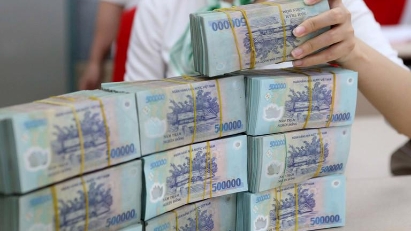
The credit risk in all fields rose at a slower rate in the first half of 2021 compared to the second half of 2020, according to the results of a credit trend survey of credit institutions conducted by the State Bank of Vietnam (SBV). The credit risk is, however, forecast to go up in the second half of this year due to uncertainty over the pandemic.
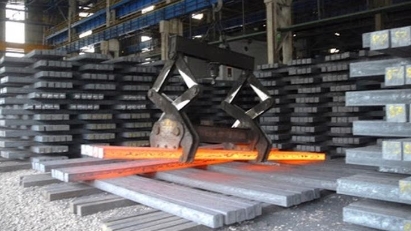
The Ministry of Finance (MoF) has proposed that the export tax on steel billets be increased and the preferential import tax (MFN) on certain iron and steel products be reduced.
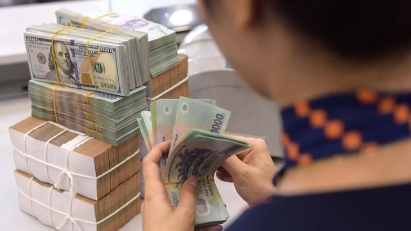
As a popular destination for FDI, Vietnam also welcomes a large inflow of foreign currencies. The country’s banking system has maintained low interest rates, which is in line with ongoing trends, as central banks around the world are applying loosened monetary policy.
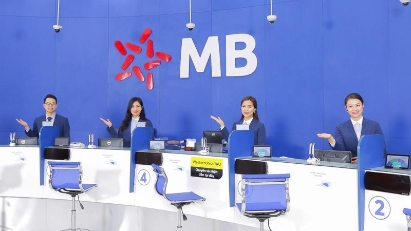
The Military Commercial Joint Stock Bank (MB) expects to post revenue of $5 billion and profit of $2 billion by 2026, despite the pandemic. Thanks to the promotion of digital transformation and technological infrastructure, its business activities have been stabilized and recorded positive results.
Involved in self-trading, some securities companies have a large market share but revenue is quite small and profits are almost non-existent. Since some accept lower brokerage fees and interest rates, investors stand to benefit the most.