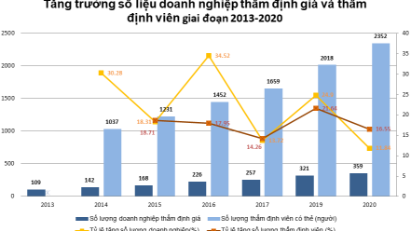
The quality of the 411 enterprise valuation companies in Vietnam and their 2,352 appraisers is quite low, which can create corruption and difficulties in State management. The Ministry of Finance has therefore revoked the Certificate of Eligibility For Providing Valuation Services from 65 companies and suspended the business valuation services provided by 26 companies. In order to overcome the limitations and shortcomings after more than seven years of implementing price laws, the ministry is also studying related amendments, including stricter regulations on valuations.
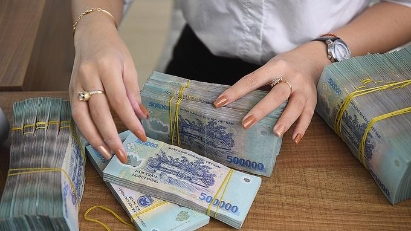
The State Bank of Vietnam (SBV) issued Circular No. 10/2021/TT-NHNN on July 21 on refinancing the Vietnam Bank for Social Policies (VPSB) so it may support employees and employers affected by the pandemic. Total refinancing is VND7.5 trillion ($325.94 million), and the refinancing interest rate and overdue refinancing interest rate are both 0 per cent per annum.
The Office of the Government has issued Official Letter No. 4974/VPCP-KTTH, conveying directions from Deputy Prime Minister Le Minh Khai on assigning the Ministry of Finance (MoF) to review and resolve considerations on tax regulations and complete regulations on collecting value-added tax and personal income tax for house rentals in Vietnam.
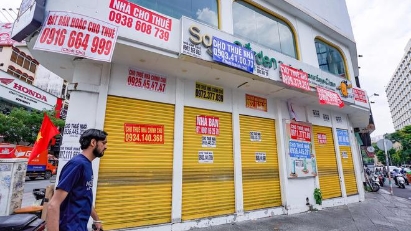
The State Bank of Vietnam and credit institutions have actively promoted solutions to help enterprises overcome the impact of Covid-19 since it first broke out in the country. The accumulated amount of interest exemptions and reductions for enterprises from January 23, 2020 to June 14, 2021 is VND18.27 trillion ($793.6 million). Such exemptions and reductions are expected to continue to rise.
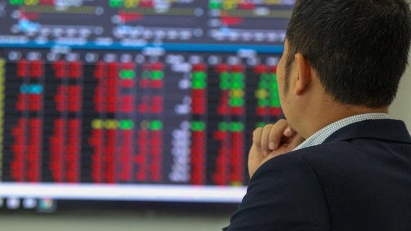
Though Vietnam’s stock market has recently seen a decline in share prices of around 10 per cent, HSBC’s Global Economic Research Report states that now is not the time to sell as “the profit is still there.” Notably, the average daily trading value in 2020 was $430 million, a record high, then in May 2021 passed $1 billion. The number of new investors also rose, with about 500,000 new accounts opened in the first five months of the year, up 22 per cent year-on-year. Vietnam’s main drivers are its status as a new emerging market and high market liquidity. Other supporting factors include effective measures to control the Covid-19 pandemic and loosen monetary policies.
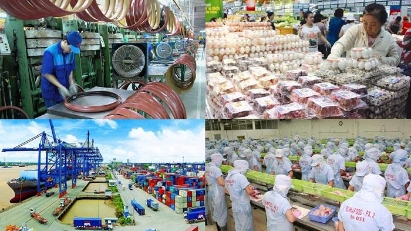
Businesses have incurred sharp increases in production costs since the outbreak of Covid-19 last year, such as higher prices for non-fuel goods, fuel, land rentals, and sea freight. Though average CPI increased just 1.47 per cent in the first half of the year - the lowest rise since 2016 - inflationary trends may increase in the closing months of the year. Disruptions in the supply chain due to improper pandemic prevention measures will also cause prices to increase sharply over the remainder of 2021.