


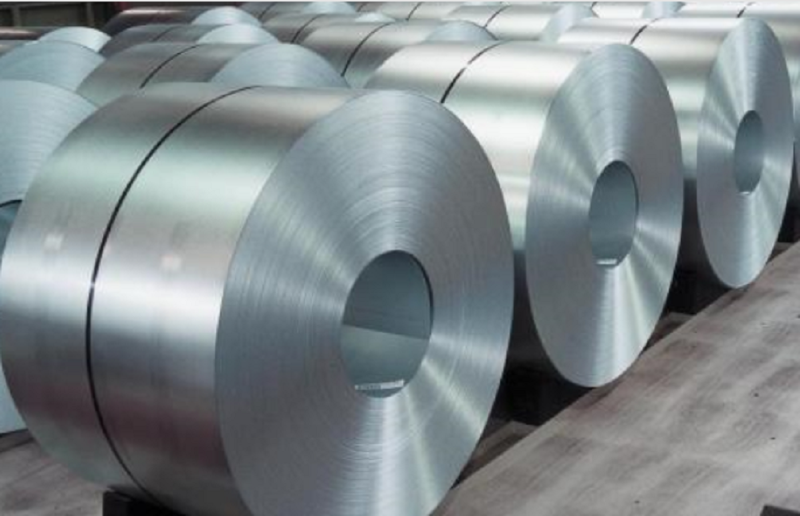
Under Implementing Regulation (EU) 2026/2547, which took effect on November 17, the EC applied anti-dumping measures on certain cold-rolled steel products imported into the European Union from India, Japan, Taiwan (China), Turkey, and Vietnam.
The investigation was initiated on September 18, 2025, following a complaint by the European Steel Association (EUROFER). It covered a dumping investigation period from July 1, 2024, to June 30, 2025, and an injury investigation period from January 1, 2022, to June 30, 2025.
The scope of investigated goods encompasses various cold-rolled steel product codes, excluding electrical steel, black plate under 0.35 millimeters in thickness, silicon electrical steel, and high-speed alloy steel.
In its final determination, the EC established a dumping margin of 16 percent for Vietnamese cold-rolled steel products. This rate applies uniformly to all mandatory respondents, cooperating companies, and other exporters from Vietnam.
Among the investigated economies, Vietnam's duty rate ranks third, lower than Japan's 27.9 percent and Taiwan (China)'s range of 20.7 percent to 27 percent, but higher than India's 9.5 percent and Turkey's range of 3 percent to 7.8 percent.
The EU's investigating authority noted that its domestic cold-rolled steel sector suffered material injury across key indicators, including production, consumption, market share, sales prices, profits, investment, and employment. According to the EC, imports from the investigated markets exerted severe price competition pressure, causing losses for domestic producers within the bloc.
The most notable takeaway for Vietnam is the EC's rejection of the particular market situation (PMS) allegation. During the probe, the EU examined factors such as the impact of Chinese imports, export restrictions on iron ore, scrap steel, and coal, the degree of vertical integration among enterprises, the use of Chinese-origin hot-rolled steel as input material, and Vietnam's related policies.
Based on a comprehensive assessment, the EC concluded there was no basis to apply PMS rules to Vietnam, in contrast to its findings that such conditions exist in India and Taiwan (China).
This positive outcome stems from close and transparent cooperation by the Vietnamese Government and respondent enterprises in providing complete, factual data to investigators, setting a favorable legal precedent for Vietnamese businesses in future EU trade remedy cases.
In light of the ruling, the Trade Remedies Authority of Vietnam advises steel exporters to thoroughly study and strictly comply with the new EU regulations, while proactively considering requests for administrative reviews when necessary to safeguard their legitimate rights.







 Google translate