


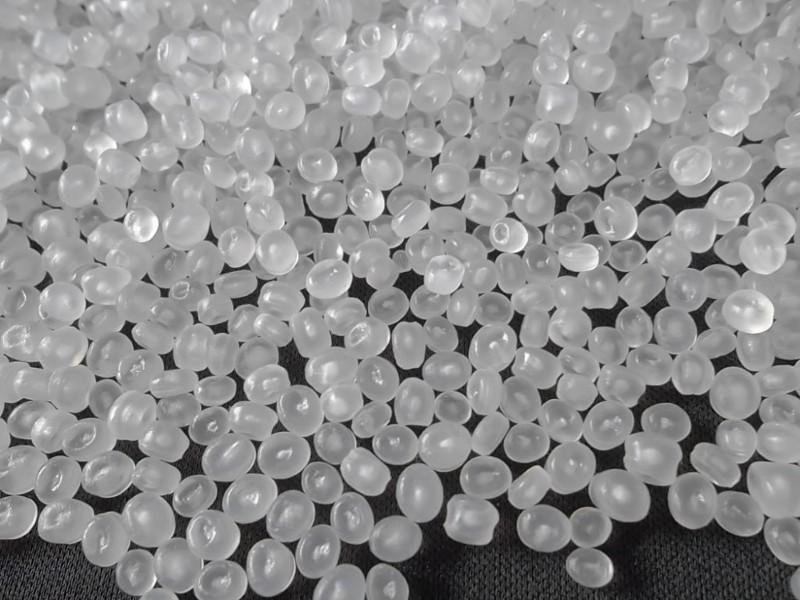
Indonesia will not impose anti-dumping duties on PPH plastic products (HS code 3902.10.40) originating from eight countries: Vietnam, Saudi Arabia, Malaysia, China, the Philippines, South Korea, Singapore, and Thailand.
According to the Trade Remedies Authority of Vietnam (TRAV) under the Ministry of Industry and Trade, the Indonesian Anti-Dumping Committee (KADI) officially notified the agency on August 6, regarding the termination of its investigation into Polypropylene Homopolymer (PPH) plastic products.
KADI stated that the decision was reached after carefully evaluating various factors, including national interests, domestic and international economic and geopolitical contexts, the protection of downstream manufacturing industries, and the necessity of ensuring a stable domestic supply of raw materials.
The investigation was initially launched by KADI in December 2024 and lasted until June 2026. On June 2, 2026, KADI issued its Final Conclusion Report, which initially confirmed the existence of dumping activities, calculating dumping margins for Vietnamese exporters ranging from 7.07% to 17.32%.
Throughout the proceedings, TRAV continuously collaborated with industry associations and businesses. The authority repeatedly submitted comments and formal protests against the proposed duties to KADI, urging the committee to thoroughly consider the positions of the Vietnamese Government and its enterprises.
TRAV emphasized that the termination of the case without the imposition of duties is a significant victory for the PPH sector and the broader Vietnamese plastic industry. This outcome is expected to help maintain export turnover and drive growth in the Indonesian market in the coming years.
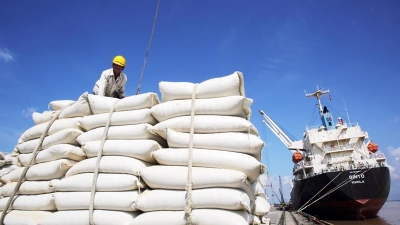
According to Vietnam Customs data, during the investigation period (April 2023 to March 2024), Vietnam’s PPH export turnover to Indonesia exceeded $160 million. For the full year of 2024, that figure surpassed $200 million.
Despite the positive outcome, TRAV recommends that relevant associations and exporters continue to closely monitor the Indonesian market to stay informed of any new developments, such as a potential re-initiation of the investigation.
Additionally, the authority advised businesses to balance their production and export volumes to Indonesia. By avoiding "overheated" growth in this market, Vietnamese enterprises can reduce the risk of Indonesian domestic producers requesting KADI to launch a new investigation in the future.








 Google translate