


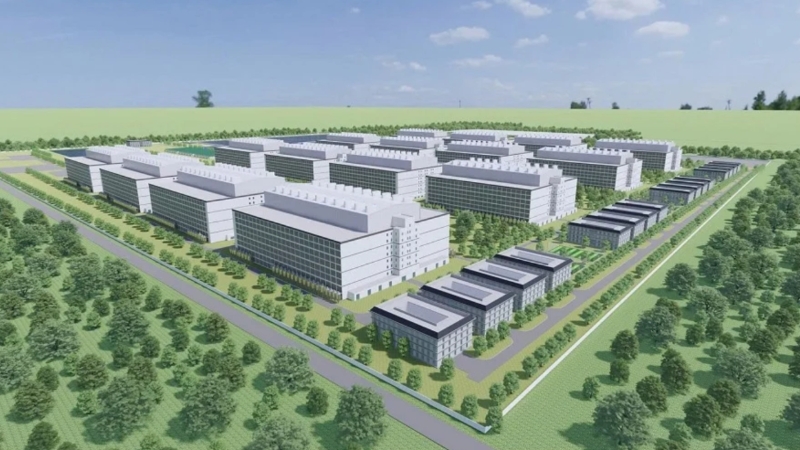
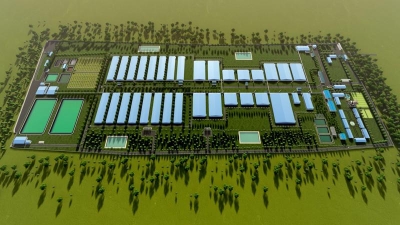
A proposal from BAF Vietnam Agriculture JSC to invest in a concentrated, high-tech livestock complex in the capital city has been submitted to the Hanoi People's Committee.
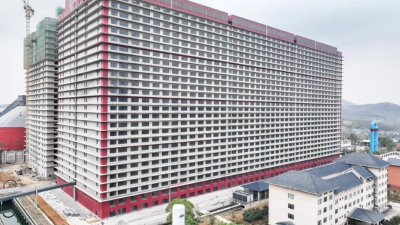
The project features a multi-story building model integrated with a multifunctional slaughterhouse and food processing facility. The proposed project is being researched for implementation in Bat Bat, Da Phuc, and Binh Minh communes.
The City People's Committee has tasked the Department of Agriculture and Environment to take the lead, coordinating with relevant departments and local authorities to guide and support the enterprise in finalizing the project proposal. At the same time, the department will conduct a comprehensive assessment of the high-rise, high-tech farming model’s suitability regarding urban planning, industry development trends, technical infrastructure, land use, environmental impact, biosafety, and existing legal regulations.
According to Chairman of the Board of BAF Vietnam Truong Sy Ba, the project is designed as a closed-loop chain with modern production lines, spanning from breeding to commercial hogs.
"Compared to traditional farming methods, this model saves land, reduces feed and labor costs, and helps alleviate environmental pressure," said Mr. Ba.
BAF has proposed including the project in the category of State land recovery for lease to investors and requested a "green lane" (fast-track) mechanism for administrative procedures to shorten implementation time.
BAF stated that approximately 25-30% of treated wastewater would be reused for cleaning, cooling, and deodorizing within the farming area. The remaining wastewater and solid waste would be utilized for irrigation, fertilization, and soil improvement. The enterprise also plans to recover exhaust gases for power generation.
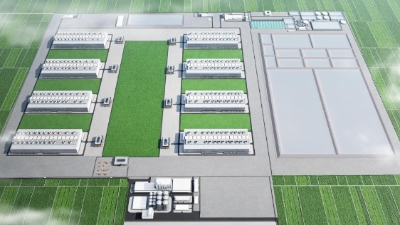
Under the proposed scale, approximately 15-20 ha would be dedicated to farming activities, while the remaining 200-250 ha would be used for circular agriculture development.
According to the Department of Agriculture and Environment, the city’s current hog population stands at nearly 1.4 million, supplying over 450,000 tons of live-weight pork annually. The city is trending toward gradually phasing out small-scale farming in residential areas while encouraging the development of concentrated, high-tech, circular, and organic livestock farming.


 Google translate