


Amid increasingly complex global trade conditions, diversifying export markets has become increasingly important for Vietnamese businesses, while Mexican importers are seeking new suppliers to reduce their dependence on traditional markets. This creates opportunities for deeper trade cooperation between the two economies.
Ms. Nguyen Thi Trang, Commercial Counsellor at the Vietnam Trade Office in Mexico, said Mexico should not be viewed simply as a country with a population of more than 130 million. Located in North America and deeply integrated through the USMCA, more than 80% of Mexico’s exports are destined for the United States. This makes Mexico both a large consumer market and an important gateway for Vietnamese goods to participate more deeply in North American production chains and the wider Latin American market.
Mexico’s import demand is diverse, covering consumer goods as well as raw materials, components, machinery and equipment for domestic and regional production chains.
For Vietnamese businesses, opportunities therefore exist on two fronts: supplying Mexico’s domestic consumer market and providing inputs for manufacturing systems connected to North American supply chains.
Trade figures indicate growing commercial ties. Bilateral trade reached $8.17 billion in 2025, up 27%, with Vietnam’s exports to Mexico exceeding $7 billion, up nearly 29%. Mexico became Vietnam’s largest trading partner in Latin America and its third-largest in the Americas.
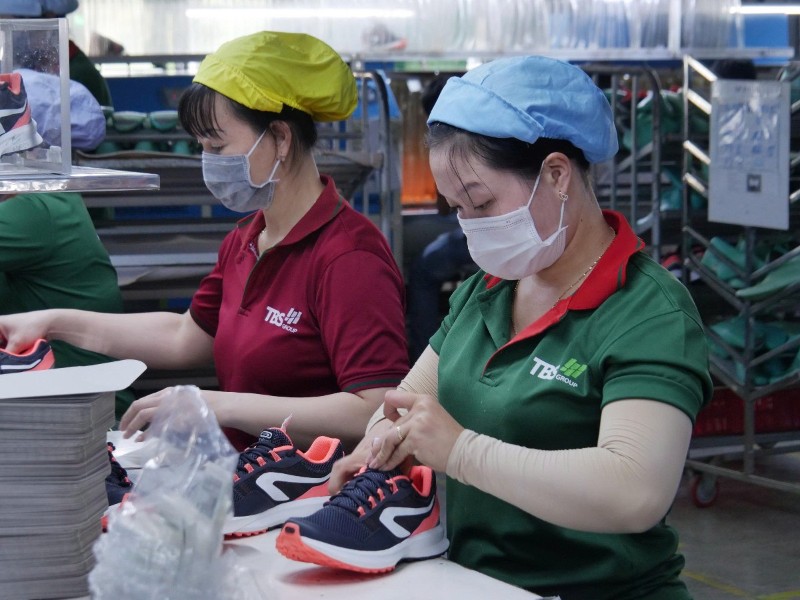
In the first eight months of 2026, bilateral trade reached $7.2 billion, making Mexico Vietnam’s second-largest trading partner in the Americas, after the United States. Key Vietnamese exports recording strong growth included computers and electronic components, phones, machinery and equipment, textiles, footwear, vehicles and parts.
Mr. Ngo Chung Khanh, Deputy Director of the Ministry of Industry and Trade’s Department of Foreign Market Development and Multilateral Trade, said Mexico has annual import demand exceeding $650 billion, while Vietnamese products currently account for only about 1% of the market. This relatively small share indicates substantial room for Vietnamese businesses to expand their presence.









 Google translate