


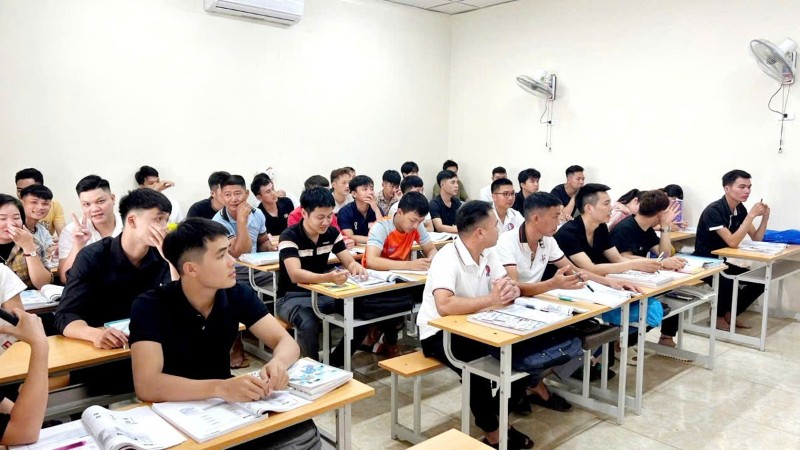
The Ministry of Home Affairs is currently implementing seven non-profit programs to send Vietnamese laborers to work in four key markets: South Korea, Japan, Germany, and Taiwan (China).
These programs operate on the principles of transparency and low cost, with many offering 100% support for tuition fees and airfare. Participants are entitled to wages and welfare benefits equivalent to those of local workers in the host countries.
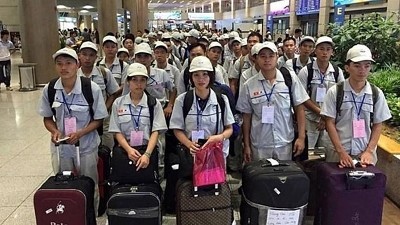
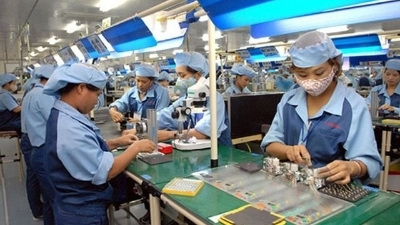
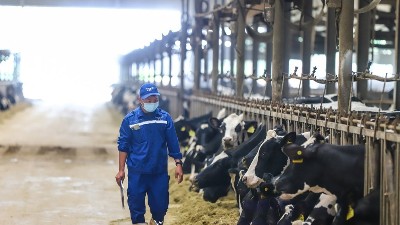
For the South Korean market, specifically the Employment Permit System (EPS) Program, Vietnamese laborers can work in sectors including manufacturing, construction, agriculture, fisheries, forestry, and services for a maximum duration of four years and ten months.
Regarding the Japanese market, there are three distinct programs: the We are Asian Program, the Osaka Program (both for nursing interns), and the IM Japan Program (for technical interns).
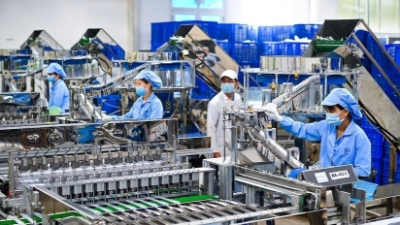
Under the We are Asian and Osaka schemes, laborers work in elderly care at nursing homes and healthcare facilities. The IM Japan Program recruits men for manufacturing and construction, while women are recruited for manufacturing and food processing.
The program for Taiwan (China) recruits both male and female workers for roles in manufacturing as well as patient and elderly care. Labor contracts in this market typically last three years and can be extended for a maximum of 12 years.
Meanwhile, the program for Germany is designed for both men and women aged 21 and older who have graduated with a nursing degree—requiring a minimum of three years of training—from a public college or university. Candidates must have completed a 6-to-9-month hospital internship and possess a valid practice certificate. Successful applicants work as nursing assistants in elderly care facilities.
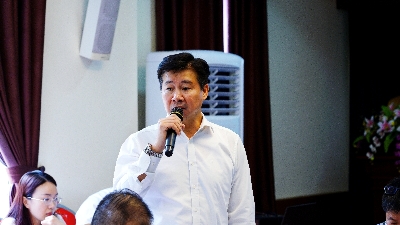
According to Vice Minister of Home Affairs Vu Chien Thang, the ministry has identified these non-profit overseas labor programs, conducted under international agreements, as a practical solution for creating jobs and increasing income. Furthermore, these initiatives serve as a vital link to sustainable training and the long-term development of the nation's human resources.



 Google translate