


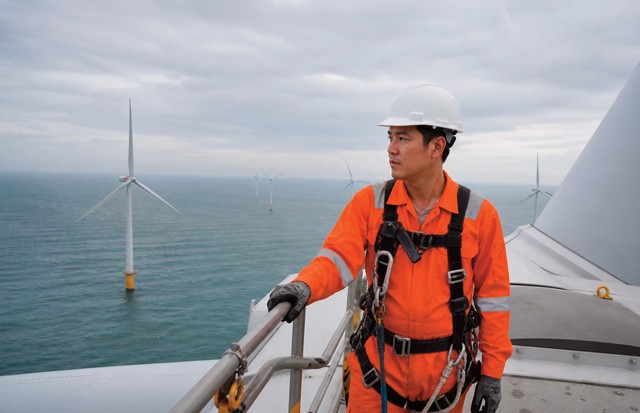
Maritime strength depends not only on fleets, ports, offshore infrastructure, and marine resources but also on the people and communities that sustain them. A skilled workforce is essential to operating and managing maritime industries, while coastal communities preserve their cultural heritage, support local economies, and share in the benefits of development.
As Vietnam expands into offshore wind, industrial-scale marine aquaculture, smart logistics, and ocean data, its workforce needs new technical and professional skills. Resolution No. 20-NQ/TW identifies human resources as a key challenge, emphasizing science and technology, innovation, digital transformation, and high-quality talent as drivers of a strong maritime nation. Skilled workers, prosperous communities, and living maritime heritage must therefore be central to Vietnam’s maritime development strategy.
New generation of maritime professionals
Modern maritime occupations increasingly require interdisciplinary expertise. Offshore wind engineers must understand electrical systems, mechanical engineering, automation, marine conditions, safety, and data. Offshore aquaculture managers need biological knowledge alongside skills in equipment operation, weather forecasting, sensors, and farm management.
Emerging occupations therefore require core technical expertise combined with digital skills, offshore safety training, marine literacy, and cross-disciplinary capabilities. Geographic information systems (GIS), data analytics, ecosystem restoration, circular economy practices, and sustainable resource management are becoming increasingly important across marine industries.
Vietnam has a large and diverse maritime workforce spanning fisheries, aquaculture, shipping, ports, logistics, tourism, oil and gas, shipbuilding, offshore engineering, and marine research. However, most workers remain concentrated in traditional industries and services, while technical and managerial talent for emerging sectors remains limited.
Fisheries employ millions of workers across capture fisheries, aquaculture, processing, and related services. As the industry shifts toward industrial-scale marine aquaculture, demand is growing for farming technicians, electromechanical specialists, service vessel operators, aquatic animal health professionals, environmental monitoring experts, automation specialists, and cold-chain logistics workers.
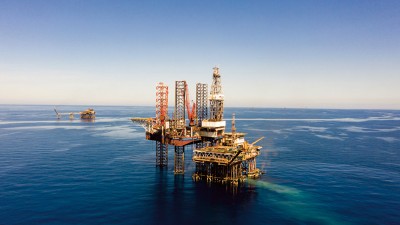
Vietnam also has a valuable technical workforce in oil and gas, shipping, shipbuilding, and offshore services. PetroVietnam alone employs approximately 60,000 people across oil and gas exploration and production, gas, power generation, processing, and technical services.
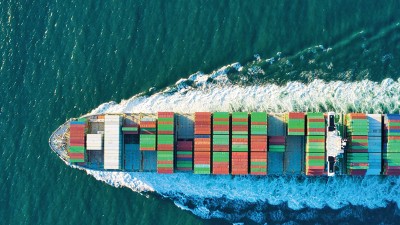
In shipping, ports, and logistics, Vietnam has established a professional workforce ranging from ship captains and marine engineers to port operators, freight forwarders, and supply chain managers. Digitalization, smart ports, automation, and green transport are increasing demand for information technology (IT), data analytics, and logistics management skills alongside traditional maritime expertise.
Coastal tourism employs an estimated 2.5 million service workers, including approximately 800,000 direct employees. Estimates suggest that around 45 per cent have formal tourism training, 35 per cent have transitioned from other sectors, and 20 per cent have received no formal training. Despite its scale, the sector continues to face workforce quality challenges.
Vietnam’s maritime workforce can be viewed as a multilayered structure. Its broad base consists of fishers, aquaculture and seafood processing workers, and coastal service providers, followed by workers in tourism, shipping, ports, and logistics. Smaller but more technically-specialized groups work in oil and gas, shipbuilding, and offshore engineering.
The priority is to upgrade and restructure this workforce, moving from experience-based labor toward standardized professional skills, and from using marine technologies toward designing, operating, and, ultimately, mastering them. This transition will connect Vietnam’s existing workforce with the ocean industries it aims to develop by 2045.
Training before development
Developing a skilled workforce takes years, so training must begin before investment projects are launched. It should be part of market preparation and long-term maritime strategy, not merely a response to emerging demand.
Vietnam is expanding into offshore renewable energy, high-tech marine aquaculture, marine data, marine-derived pharmaceuticals, and advanced materials, all of which face skills shortages. These sectors require not only more workers but also occupational transitions and retraining.
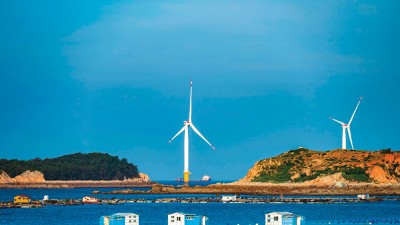
Offshore wind can draw on engineers and technicians from oil and gas, electrical engineering, mechanical engineering, and shipbuilding. Industrial-scale marine aquaculture can build on the experience of fishers and existing aquaculture workers, equipping them to operate offshore cages, electromechanical systems, sensors, and automated equipment. Shipping and ports also need to upgrade the skills of seafarers, port operators, and logistics workers.
Marine robotics, autonomous equipment, ocean data, biotechnology, and ocean governance require new specialists with backgrounds in mechatronics, IT, oceanography, biology, law, and economics. Vietnam should combine new degree programs with retraining, vocational education, international certifications, and short courses developed with industry.
The country already has maritime, fisheries, oil and gas, energy, engineering, IT, and research institutions offering training in navigation, marine engineering, logistics, shipbuilding, aquaculture, automation, and oceanography. Companies, ports, shipyards, and seafood businesses also provide practical training opportunities. These institutions can supply much of the foundational knowledge needed for emerging industries, but gaps remain in offshore wind turbines and cables, autonomous equipment, deep-sea engineering, alternative marine fuels, AI, and ocean data.
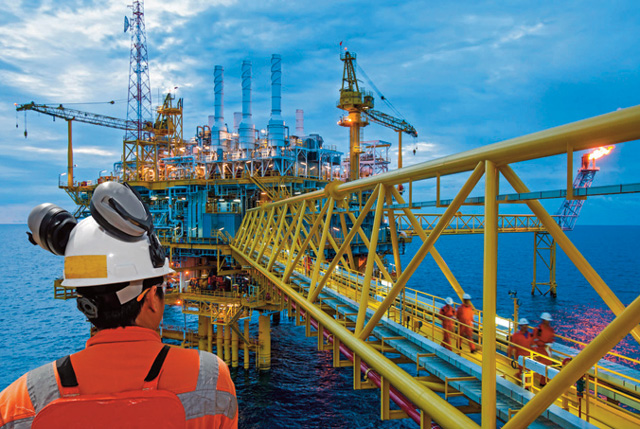
International cooperation should target these specific gaps. Beyond sending students abroad, Vietnam should pursue joint curriculum development, instructor training, laboratories and practical facilities, international certifications, and the transfer of training programs to domestic institutions. The goal is to strengthen the country’s capacity to develop its own workforce for emerging marine industries.
Role of communities
Maritime communities include fishing villages, island residents, coastal aquaculture workers and coastal city populations whose livelihoods and identities are closely tied to the sea. They should be recognized as custodians of cultural knowledge, groups entitled to protection and fair benefits, and participants in decisions affecting marine spaces and resources.
Their value lies in knowledge accumulated over generations, including understanding seasonal patterns, fish migration, currents, weather, spawning grounds, coral reefs, and maritime risks. Traditional occupations, festivals, beliefs, and community practices also help govern how resources are accessed and shared.
When nurtured, these assets can support community-based tourism, generate economic value, and preserve local identity. However, development can also erode them. Coastal urbanization and tourism may reduce space for traditional livelihoods, while ports, industrial parks, offshore energy, and large-scale aquaculture can restrict access to fishing grounds. Damage to coral reefs, seagrass beds, and fish stocks directly threatens resource-dependent communities.
Communities must therefore move beyond being merely consulted to becoming active participants in governance. They should be involved early in marine spatial planning, conservation decisions, aquaculture zoning, tourism projects, port development, and energy infrastructure that affects their livelihoods.
Community development should not be treated as a social welfare policy separate from the marine economy. It must protect livelihoods, culture, and maritime knowledge, strengthen local participation in governance, and ensure communities share fairly in the benefits of the resources they help preserve.
Island communities and sustainability
For a maritime nation, maintaining stable populations on its islands is both a development priority and a strategic asset. Residents, infrastructure, economic activity, and public services sustain island life, support maritime operations and search and rescue, and reinforce the country’s long-term presence across its maritime territory.
The Law on the Sea of Vietnam links marine economic development with national defense, security, and sovereignty, while providing preferential policies for island residents and prioritizing infrastructure and economic development in island districts.
The National Marine Spatial Planning for 2021-2030, with a Vision to 2050, adopted under National Assembly Resolution No. 139/2024/QH15 on June 28, 2024, also seeks to develop 12 island districts and cities by integrating socio-economic development, national defense, cultural conservation, and ecosystem protection.
Yet residents cannot be persuaded to stay where they are through appeals or isolated support measures. They need viable livelihoods, adequate public services, and credible prospects for the future. First, islands need sustainable livelihoods and adequate incomes. Second, the quality-of-life gap with the mainland must narrow. Third, young people need reasons to stay or return. And fourth, development must protect island environments and identities.
Ultimately, island policies must enable people to live well and build a future on the islands. This requires productive employment, reliable infrastructure, quality healthcare and education, opportunities for young people, the ability to attract new talent, and a safe environment.
When these conditions are met, island communities can operate local economies, provide services to maritime activities, protect natural resources, and sustain a permanent presence across the country’s islands. Retaining residents is therefore an investment in a living form of national maritime infrastructure, built on people, communities, and a sustainable long-term presence.
Marine robotics, autonomous equipment, ocean data, biotechnology, and ocean governance require new specialists with backgrounds in mechatronics, IT, oceanography, biology, law, and economics. Vietnam should combine new degree programs with retraining, vocational education, international certifications, and short courses developed with industry.
 Google translate