


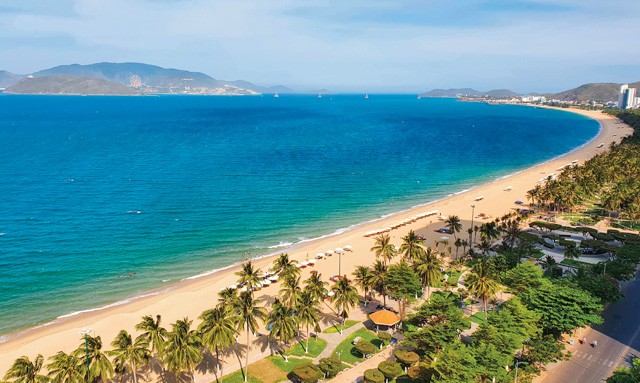
Vietnam’s tourism sector is entering a new growth phase. In 2025, the country welcomed nearly 21.2 million international visitors, up 20.4 per cent year-on-year. Domestic travel reached approximately 137 million trips, generating around VND1,000 trillion ($38.46 billion) in total tourism revenue. This growth raises a key question: can Vietnam move beyond competing on visitor numbers to creating greater value?
The challenge is particularly clear in coastal tourism. Vietnam must therefore move beyond exploiting its marine resources to create and capture greater value from them. This shift aligns with Politburo Resolution No. 26-NQ/TW, dated August 22, 2026, which calls for tourism development driven by quality rather than volume, with cultural identity and visitor experiences serving as competitive advantages.
Beyond natural advantages
According to the World Travel & Tourism Council (WTTC), coastal and marine tourism directly contributed approximately $1.5 trillion to global GDP in 2023, supported 52 million jobs, and accounted for roughly half of total tourism spending. The sea is more than a tourism resource. It underpins a broad economic ecosystem encompassing accommodation, transport, aviation, food and beverages, retail, entertainment, sports, wellness, cultural industries, and digital services.
This scale is changing how competitiveness should be measured. Beyond visitor numbers, hotel capacity and the length of developed coastline, destinations must consider how long visitors stay, how much they spend, how often they return, and how much value remains in the local economy. One million visitors may generate less value than a smaller group that stays longer, purchases premium services, and engages more deeply with local culture. This is the shift from “tourism volume” to “tourism value.”
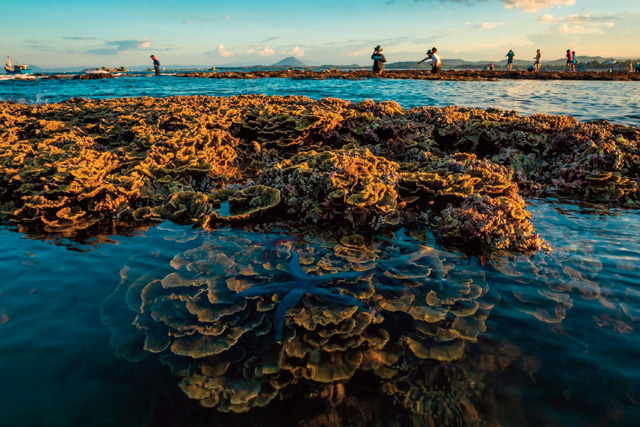
For Vietnam, this transition is increasingly important. High visitor numbers do not necessarily translate into greater value when tourists concentrate in a few destinations, stay briefly, spend mainly on basic services, and place heavy pressure on infrastructure and the environment. Conversely, destinations that extend stays by one or two days through marine sports, wellness, and culinary experiences could generate significantly more value without a corresponding increase in arrivals.
In 2025, approximately 273,900 international visitors arrived in Vietnam by sea, accounting for 1.3 per cent of total international arrivals. This suggests considerable potential for cruise tourism and marine experiences if Vietnam develops suitable cruise ports, marinas, support services, and onshore activities.
Coastal tourism development should therefore begin not with the question, “How many more hotel rooms can be built?” but with, “How many high-value experiences can be created from the same natural resources?” This is how natural advantages become competitive strengths.
Experience-driven tourism
Vietnam’s coastal tourism industry remains heavily reliant on beach holidays and swimming. While this model was effective during the early stages of tourism development, destinations are now becoming increasingly alike, eroding their competitive advantages. Visitors now seek distinctive experiences that are harder to replicate.
Vietnam’s coastal areas could support a much broader portfolio of products, including cruises and yachting, diving and marine wildlife observation, water sports, island exploration, ecotourism, wellness, scientific tourism, fishing community experiences, seafood cuisine, festivals, the arts, Meetings, Incentives, Conferences, and Exhibitions (MICE), and nighttime entertainment. Each creates opportunities for different service chains and customer segments.
This is where marine spatial planning and tourism planning intersect. The Tourism System Plan for 2021-2030, with a vision to 2045, organizes development around regions, growth poles, key areas, corridors, and tourism centers, providing a foundation for interconnected networks of experiences rather than isolated destinations.
Vietnam possesses an asset that emerging coastal destinations cannot simply buy with investment: marine culture. Fishing villages, traditional festivals, coastal beliefs, shipbuilding, fish sauce production, seafood processing, pearl farming, traditional fishing practices, coastal architecture, folk music, and maritime history have shaped communities for generations. Yet their potential remains underdeveloped in tourism.
Beaches and hotels can be replicated worldwide. A fishing village with centuries of history, a dish shaped by maritime livelihoods, or a community festival rooted in local traditions cannot be reproduced elsewhere. These are powerful brand assets.
Cultural tourism often emphasizes presentation over participation. Visitors may hear about a traditional village without experiencing its activities, see a local dish without learning to prepare it, or learn about fishing without going to sea.
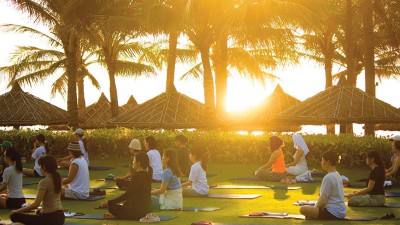
An experience-driven approach would let visitors help fishermen haul in nets, learn to make fish sauce, prepare seafood, sail traditional basket boats, share meals with coastal families, listen to maritime stories, or participate in coral restoration and mangrove planting.
Coastal tourism presents a paradox: the features that attract visitors can also be degraded by them. Beautiful beaches draw crowds, coral reefs attract divers, and pristine islands entice tourists. But when visitor numbers exceed an ecosystem’s carrying capacity, the activities generating revenue today can undermine a destination’s value tomorrow.
Carrying capacity is therefore not merely a technical concept in environmental reports. It is an economic indicator. A littered beach diminishes the appeal of hotel rooms, a bleached coral reef reduces the value of diving tours, and freshwater shortages increase resort operating costs.
This approach aligns with Resolution No. 20-NQ/TW, which calls for modern, green, smart, and sustainable marine economic sectors. Politburo Resolution No. 26-NQ/TW also emphasizes using AI, the Internet of Things (IoT), and sensor systems to monitor resource consumption, environmental quality, and destination carrying capacity. Resource protection is becoming not only an environmental obligation but also a component of tourism competitiveness.
The WTTC research suggests that investment in emission reductions and climate adaptation for coastal and marine tourism could reach approximately $65 billion annually.
Strategy through 2045
Vietnam’s greatest opportunity lies not simply in attracting more tourists, but in increasing the value generated by every visitor, coastline, island, and experience. This requires nine priorities.
First, shift from visitor numbers to visitor value. Growth in arrivals must go hand-in-hand with greater value creation. Destinations should track length of stay, spending, repeat visits, use of premium services, benefits to local businesses, and the share of value retained by communities.
Second, develop interconnected experience clusters. Localities should build connected itineraries rather than operate as isolated destinations. Northern Vietnam could link Ha Long Bay, Cat Ba, Hai Phong, Van Don, and Yen Tu, while central Vietnam could connect Hue, Da Nang, Hoi An, Cu Lao Cham, and Ly Son through complementary experiences. These networks should be built around transport, infrastructure, planning, and carrying capacity, not just promotional campaigns.
Third, invest in infrastructure for higher-value tourism. Cruise ports and marinas should serve as economic gateways. Cruise calls should connect passengers with onshore experiences, while marinas should link to accommodation, dining, shopping, sports, cultural activities, and other services.
Fourth, turn marine culture into a distinctive brand. Vietnam needs a broader story than “blue seas and white sand.” Its coastal identity should encompass traditional communities, cuisine, maritime occupations, festivals, heritage, exploration, science, and conservation.
Fifth, manage carrying capacity through data. Destinations need to establish how many visitors and vessels they can accommodate, how many divers can use a site, how much freshwater is required, how much waste is generated, and how much traffic the area can handle. Digital technologies, sensors, tourism data, and AI can help answer these questions in real time.
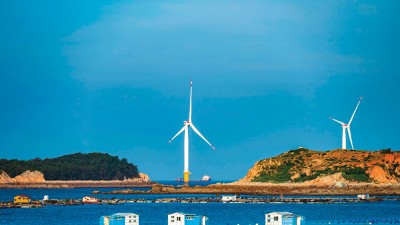
Sixth, develop green, low-emission coastal tourism. Resorts should incorporate renewable energy, water efficiency, wastewater treatment, reduced single-use plastics, circular economy practices, and clean transport. These measures are increasingly important for environmental protection and will matter more to international investors, capital markets, and higher-spending travelers.
Seventh, build a skilled workforce for the experience economy. Businesses must understand sustainability and environmental, social, and governance (ESG) standards, while local communities should become active participants rather than merely service providers. These capabilities help ensure that value remains in the local economy.
Eighth, position Vietnam as a high-quality coastal destination in Asia. By 2045, Vietnam should aim to rank among Asia’s leading maritime destinations, offering diverse, high-quality, and sustainable experiences rooted in local identity. This ambition aligns with Resolution No. 20’s broader goal of building Vietnam into a strong maritime nation.
Ninth, integrate coastal tourism into the wider maritime economy. Tourism should connect with shipping, seaports, logistics, coastal cities, nighttime economies, trade, cultural and creative industries, science and technology, the digital economy, and marine conservation. These links would spread tourism’s benefits across sectors and deepen the marine value chain.



 Google translate