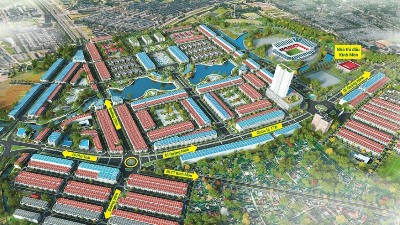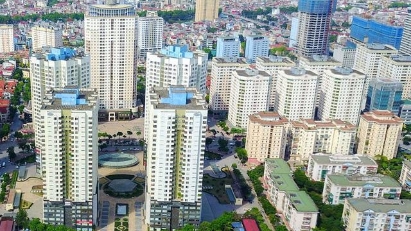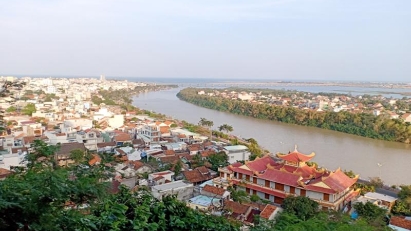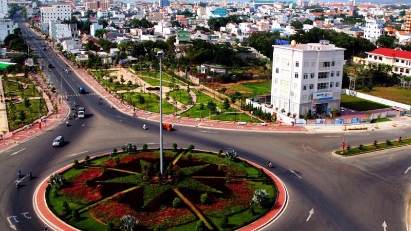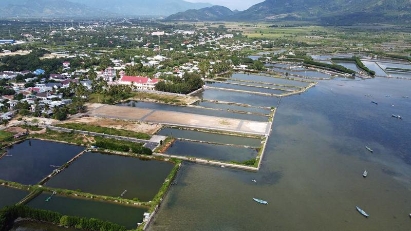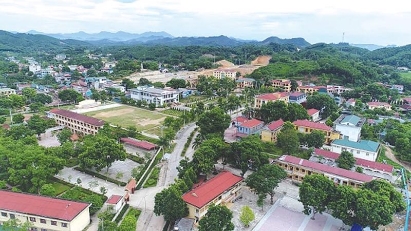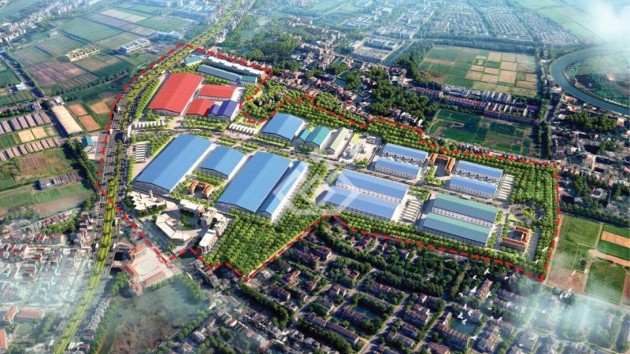
These projects have already received approved detailed planning and are part of the Mekong Delta city’s portfolio to invite independent social housing investment.
Under the “Program to develop non-flammable construction materials in Vietnam to 2030”, which was recently approved by the government, such materials are to account for 35-40 per cent of all construction materials by 2025 and by 2030 be used in all projects with public investment capital.
The potential of Tan Son Nhat International Airport and surrounding areas in Ho Chi Minh City are yet to be fully exploited. Analysts believe it is necessary to include the airport’s urban area in the adjusted general planning for the city to 2040 and vision to 2060.
South-central Khanh Hoa province plans to build 51,275 houses with a total floor area of 5.3 million sq m in the 2021-2025 period, of which 4,146 will be social houses with a total floor area of 210,000 sq m. Capital of VND48.79 trillion ($2.14 billion) is required.
Real estate transactions in Vietnam have been constantly on the rise since before global inflation became an issue. Analysts believe that the upwards trend in real estate prices in the country stems from a supply-demand mismatch, with demand significant but supply limited, especially in central and prime locations in cities.
The southern province of Dong Nai has handed over nearly 200 ha of land to the Southern Airports Authority for implementation of the Long Thanh International Airport project, on a planned area of 5,000 ha. The first phase has acquired 1,500 ha of the 1,800 ha needed.
With an average GDP growth rate of 6-7 per cent in recent years, Vietnam is considered an ideal destination for investment compared to other regional countries, especially investment in real estate. According to Dr. Su Ngoc Khuong, Senior Director of Savills Vietnam, economic growth will remain difficult for the next two years, but funds are still available in the economy so investment in securities and residential real estate will continue to rise.