


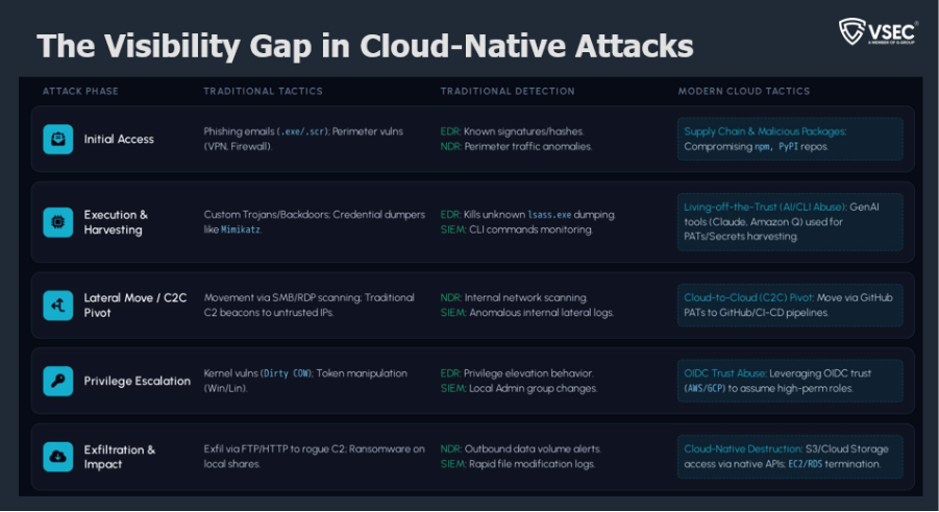
As organizations accelerate their migration to the cloud, security responsibility no longer rests solely with enterprises managing physical infrastructure, on-premises software, and internal systems. Cloud security is now based on a shared responsibility model among cloud service providers, managed security providers, and enterprises themselves. The critical question is: how can organizations effectively secure a highly distributed environment if they cannot fully “see” what is happening across it?
Cloud visibility: The foundation of effective monitoring
In traditional on-premises environments, security monitoring primarily focused on physical assets such as firewalls, servers, endpoints, and internal software systems. In cloud environments, however, monitoring requirements have expanded significantly to include user activity, data flows, access behavior, network traffic, connected services, APIs, and massive volumes of logs generated across the ecosystem.
As a result, comprehensive, real-time visibility is essential to ensuring effective protection. Visibility acts as the security “eyes” distributed throughout an enterprise’s cloud journey.
During the Vietnam Security Summit 2026 held on May 22, representatives from VSEC - The Vietnamese Security Network Joint Stock Company, a member of G-Group - raised concerns regarding persistent “visibility gaps” in monitoring and detecting modern attacks in native cloud environments.
“Relying solely on traditional monitoring tools may no longer be sufficient for cloud-based enterprises due to the lack of deep visibility into seemingly legitimate activities exploited by attackers within the cloud ecosystem itself,” shared Phan Hoang Giap.
Examples include the abuse of legitimate user accounts, AI-driven automated attacks targeting cloud ecosystems, attacks against cloud APIs, and the compromise of IAM tokens instead of conventional endpoints.
Reducing the visibility gap with cloud security solutions
Throughout the enterprise cloud adoption lifecycle, visibility serves as a foundational layer spanning every phase, from Assess, Mobilize, Migrate, and Modernize to Monitor and Optimize. Organizations must determine where to establish the most effective security controls and defensive layers across their cloud environments.
In addition to governance frameworks and security standards that must be enforced from the outset to protect data in cloud environments, enterprises should pay close attention to two critical security capabilities provided by specialized cybersecurity service providers.
These capabilities answer two fundamental questions:
“What assets do we currently have, and where are the weaknesses within our cloud environment?” - addressed through CSA (Cloud Security Assessment).
“What is happening inside the cloud environment in real time, and what activities are attackers performing?” - addressed through CDR (Cloud Detection & Response).
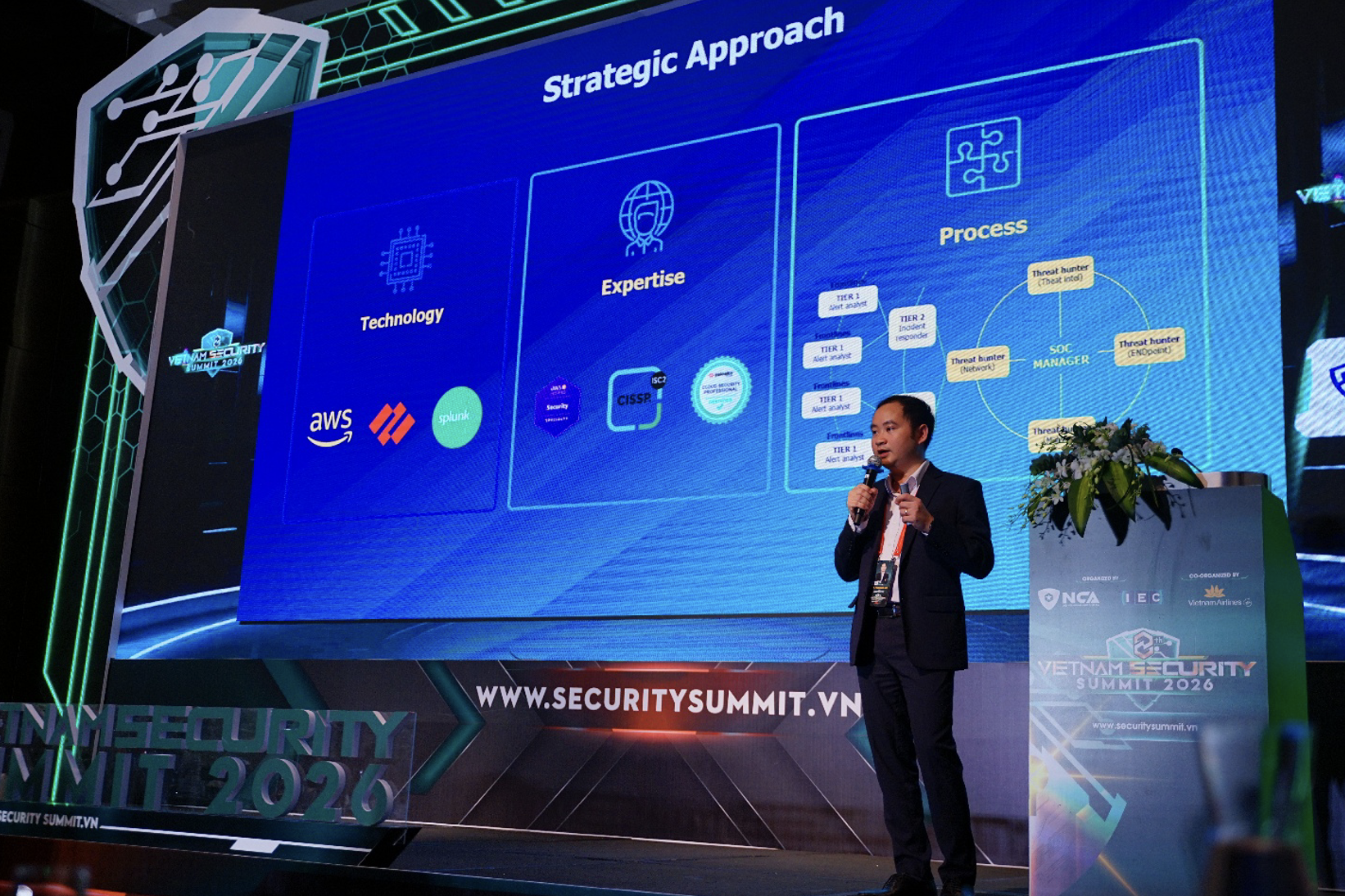
Rather than waiting for incidents to occur before taking action, CSA enables enterprises to proactively identify and mitigate risks during their cloud transformation journey. The solution helps detect misconfigurations, assess compliance with security standards, and enhance comprehensive visibility across cloud systems.
CSA performs systematic security reviews, analyzes environments based on business-specific requirements, and delivers actionable insights that security teams can efficiently address.
“Security must be integrated throughout the entire cloud journey, from assessment and migration to operational optimization. Enterprises need to shift from a reactive mindset toward proactive control and real-time response capabilities, rather than investing heavily in cloud adoption while implementing fragmented security operations,” VSEC representatives emphasized during the event.
As a pioneering AWS Services Partner specializing in cloud security services in Vietnam, VSEC delivers and operates CSA services through a team of highly experienced cybersecurity experts. As a Managed Security Service Provider (MSSP), VSEC not only provides security technologies but also delivers 24/7 operational support, helping enterprises reduce internal operational burdens while optimizing security management costs.






 Google translate