


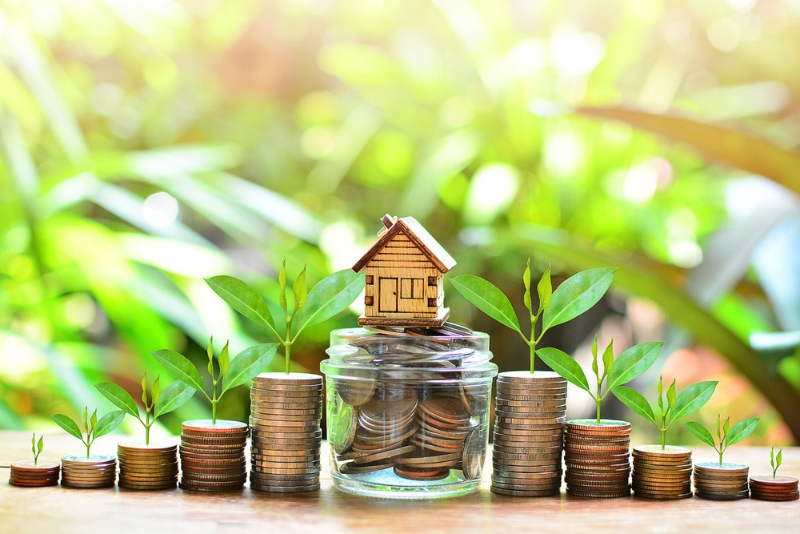
Attracting investment capital is becoming a key factor in developing effective carbon projects and contributing to the growth of the carbon market that Vietnam plans to officially operate in 2029. It is not only decisive for implementing green projects efficiently, but also helps Vietnam maximize the potential of carbon market mechanisms, enhance the economic value of emission reduction solutions, and accelerate the sustainable energy transition and natural resource conservation.
At the “Navigating global & Vietnam’s carbon market: Post-COP30 insights and the way forward” seminar, organized on November 25 and 26, experts said that as policies continue to improve, attracting capital for carbon projects in Vietnam is not only a strategic economic priority but also an important step towards sustainable development and achieving net-zero emissions by 2050.
National advantages
According to data from the Center for International Forestry Research (CIFOR), the world needs enormous volumes of capital to meet emission reduction goals, climate adaptation, and biodiversity conservation. By 2030, global investment demand is projected at $6.3-6.7 trillion a year, including $800-900 billion from governments, $1-1.2 trillion from businesses, and $490-610 billion from international sources.
Notably, a carbon market is emerging as an effective channel for mobilizing private capital, supplementing public resources, and expanding international cooperation. Between the first and third quarters of 2024, some $14 billion was mobilized globally for new carbon credit projects, underscoring the strong potential and appeal of this market.
Vietnam currently has about 15 million ha of forest, including 10 million ha of natural forest and 5 million ha of planted forest, indicating substantial space for expanding carbon projects. This gives Vietnam the opportunity to generate high-quality carbon credits for both domestic and international demand, while also attracting private and global capital to support national emission reduction targets.
The country also boasts a long coastline and more than 200,000 ha of mangrove forest, which is considered one of the most valuable natural “blue-carbon reserves.” It also has more than 300 registered carbon credit programs and projects, around 150 of which have been issued over 40 million carbon credits, with some already traded on the global carbon market.
Beyond resource advantages, Mr. Todd Berkinshaw, CEO of NatureCo from Australia, said Vietnam stands out with its community-based forestry models, co-management mechanisms, and effective local governance. The government’s commitment to achieving net-zero emissions by 2050 has also sent a strong signal of determination in pursuing a green transition, reinforcing investor confidence. “Demand from multinational companies for high-quality carbon credits, as well as requirements for supply chain resilience across Asia, is rising sharply, creating strong momentum for Vietnam,” Mr. Berkinshaw added.
Vietnam’s private sector is becoming an increasingly important force in the carbon ecosystem. Major enterprises in agriculture, aquaculture, forestry, tourism, and energy are beginning to explore carbon project models as a parallel approach to business growth and emission reduction.
Persistent capital barriers
Despite strong potential, capital mobilization for carbon projects in Vietnam still faces major obstacles, especially as the domestic carbon market remains nascent and support mechanisms incomplete. This widens the gap between soaring capital needs and limited access to finance.
Dr. Rebecca Pearse, International Partnerships Manager at Carbon Neutral, said the biggest challenge is the mismatch between risks and investment flows. Carbon projects, especially forest and mangrove initiatives, require substantial upfront funding for preparation, measurement, documentation, community capacity-building, and conservation work.
Yet revenue from carbon credits only materializes at the final stage, typically three to seven years after the project begins. Long investment horizons, high costs, and delayed returns make private investors cautious, especially when alternative investments can deliver quicker and more predictable cash flows.
Mr. Nguyen Ngoc Tung, Director of VinaCapital’s VinaCarbon Fund, noted that one significant barrier is the restriction on foreign investment in Vietnam’s forestry sector. Projects with more than 50 per cent foreign ownership require approval from the Prime Minister, prolonging review times and reducing flexibility for international investors who are increasingly interested in nature-based carbon projects.
Additionally, Vietnam’s carbon market legal framework is still being developed, resulting in unclear regulations on ownership rights and credit allocation. This makes it difficult for foreign investors to assess risks and for domestic developers to establish the basis for long-term cooperation. “This remains a key reason why many potential investors are still cautious when approaching Vietnam’s carbon market,” Mr. Tung said.
Ensuring investment mechanisms
To overcome current challenges, experts believe Vietnam must continue perfecting its policy framework to accelerate carbon market development, including both legal regulations and technical guidelines.
The government should soon issue a unified and transparent process for carbon project development, including approval requirements, contribution rates to the Nationally Determined Contribution (NDC), and mechanisms for allocating carbon credits among stakeholders. Greater clarity will help businesses and investors plan more effectively and reduce legal risks.
Vietnam should also develop domestic carbon standards aligned with reputable international systems such as the Verified Carbon Standard (VCS) or Gold Standard (GS), helping standardize and reduce the cost of measurement, reporting, and verification (MRV).
Ms. Pearse said several core elements must be ensured to attract private capital and reduce investor risk: First, timing is critical, as choosing the right moment to launch projects, issue credits, or approach investors will help optimize resources and improve the likelihood of successful fundraising. Second, risks must be managed according to each stage of the project. Third, blended-finance tools are essential. And fourth, stronger engagement from local communities and provincial governments is vital.
Ultimately, she believes, private capital will only truly flow into carbon projects when investors trust the project’s development prospects, and that trust is built through strong risk management capability. Projects must be designed rigorously, transparently, and in line with international standards. Once confidence is established, private capital will become a key driver of Vietnam’s carbon market development. “If Vietnam follows these steps, it can expand high-integrity carbon finance and build a globally-recognized nature-based economy,” Ms. Pearse affirmed.







 Google translate