


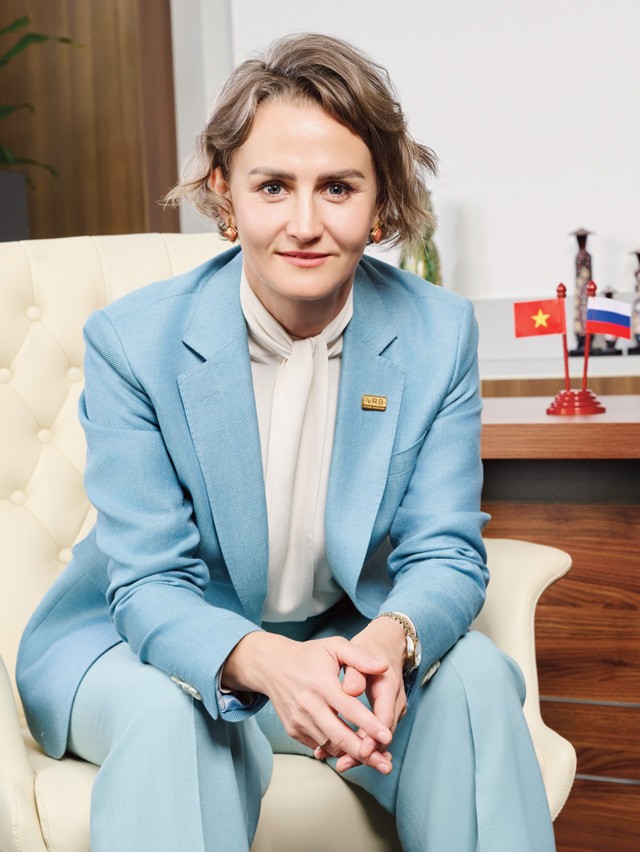
- Looking back at VRB’s 20-year journey, what achievements best define the bank and what has made its people and culture distinctive?
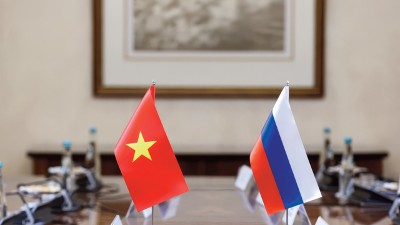
To understand VRB’s story, we should begin with the long-standing friendship between Vietnam and Russia, rooted in the relationship between Vietnam and the former Soviet Union more than seven decades ago. That friendship has been shaped not only by diplomacy but by generations of cooperation in education, science, culture, and economic development. VRB was established to give this relationship a practical financial dimension.
In November 2006, VRB was inaugurated in the presence of the Presidents of our two countries. It was a defining period in Vietnam’s international integration: the country hosted the APEC Economic Leaders’ Meeting for the first time and completed the process of accession to the WTO, with membership taking effect in January 2007. Established through cooperation between two major financial institutions, BIDV and VTB, VRB reflected a shared aspiration to expand economic, trade, and investment ties.
Twenty years later, VRB has developed into an established commercial bank, providing a comprehensive range of financial services to Vietnamese individuals and businesses, alongside its distinctive role in bilateral cooperation. Our charter capital has grown from $10 million to approximately $200 million; total assets exceed $1.25 billion; and customer deposits and outstanding loans combined exceed $1.5 billion.
Our network extends from Hanoi, Hai Phong, and Lang Son in the north, through Da Nang and Nha Trang in central Vietnam to Ho Chi Minh City and Vung Tau in the south, covering the country’s principal economic regions. The opening of our Lang Son branch in September 2026 brings us closer to businesses trading across the northern border and enables us to serve local residents and enterprises, including those operating beyond the Vietnam-Russia trade corridor.
- VRB is known as a bridge between Vietnam and Russia. How does that mission sit alongside its role as a domestic commercial bank and its wider commitment to society?
Our bilateral heritage is a competitive strength, but VRB is also a Vietnamese commercial bank serving individuals and businesses across the domestic economy. We offer a comprehensive range of services, including deposits, lending, cards, payments, foreign exchange, and trade finance. For corporate customers, our priorities are competitive financing, efficient payments, timely credit decisions, and an understanding of their business needs. For individuals, we focus on secure, convenient, and competitively-priced everyday banking. Ultimately, customers should choose VRB for the quality of our products and services, with our international connections providing an additional advantage.
Our understanding of Vietnamese and Russian markets allows us to support businesses well beyond traditional banking. Companies entering a new market often need insight into demand, introductions to distributors and credible partners, and practical discussions about logistics and payment arrangements before financing becomes relevant.
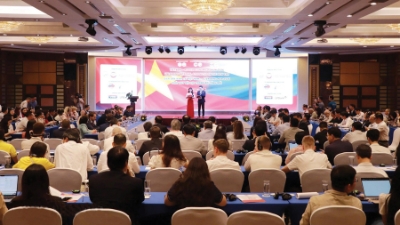
VRB supports business missions in both Hanoi and Moscow. The recent Moscow conference, held on September 16 and co-organized with VTB, Vietnam’s Trade Promotion Agency, and other partners, brought together more than 100 representatives of companies and institutions. Such meetings help businesses identify market demand, establish partnerships, and explore concrete trade and investment opportunities. Our role extends beyond introducing potential partners to supporting the financial arrangements that allow these relationships to develop into business, including trade finance, foreign exchange, and cross-border payments.

Tourism offers another example of how banking can support economic cooperation. More than 1 million Russian visitors came to Vietnam in the first eight months of 2026, bringing growing business opportunities for hotels, restaurants, retailers, and entertainment providers. Together with VTB, VRB already offers payment solutions for these visitors, including QR-based services, making daily payments more convenient. Easier access to payments improves the visitor experience while helping Vietnamese merchants benefit from growing tourism. We are committed to expanding these services to support Russian visitors and the local businesses that serve them.
- What role will technology play in improving VRB’s efficiency, competitiveness, and customer experience?
Technology is changing not only how customers interact with banks, but also how banks manage their business. For VRB, three areas are particularly important: cybersecurity, data, and payment infrastructure.
Cybersecurity is fundamental to customer trust. As digital transactions grow, we must continuously strengthen the protection of customer assets and information, prevent fraud, and ensure the resilience of our banking systems.
Data is equally important to the quality of our decisions. We are strengthening our data infrastructure to give management a more complete and timely view of the bank’s operations. Better information supports credit assessment, liquidity planning, risk management, and a clearer understanding of business performance.
The third area is payment infrastructure, particularly the speed, transparency, and reliability of settlements. Businesses need timely information about their transactions and confidence that payments will be processed efficiently. For companies engaged in international trade, delays and uncertainty in settlements can have a direct impact on their operations.
These priorities also require us to review the processes behind banking services, remove unnecessary manual steps, and make better use of our resources. Digital transformation should improve how the bank operates, rather than simply add new digital features.
For VRB, the real value of technology lies in improving the customer experience while building a more efficient and resilient bank. We want to make banking simpler, faster and more secure, while creating the capacity to grow without a proportional increase in costs or operational complexity.
- As VRB enters its third decade, how do the latest agreements between Vietnam and Russia shape its priorities for the next five to ten years?

VRB has had to adapt to changing markets, technology, regulations, and international circumstances. After 20 years, I believe we have created something distinctive: not merely a place where two cultures work side-by-side but a shared VRB culture of our own.
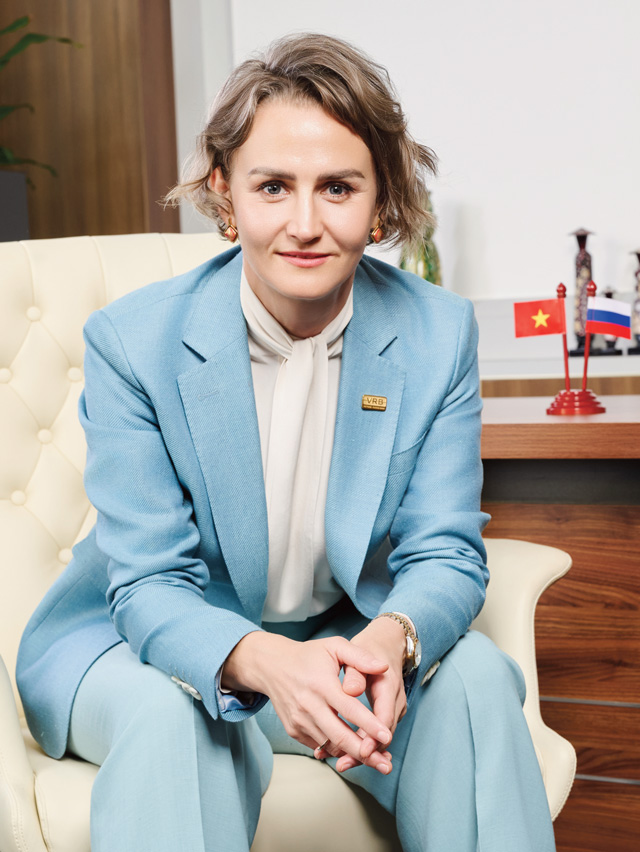
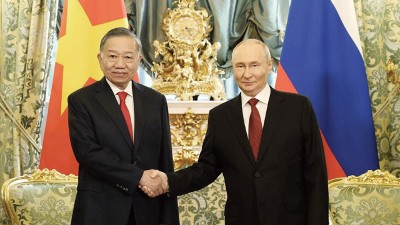
The latest agreements between Vietnam and Russia provide renewed momentum for economic cooperation, particularly in trade, investment, energy, science, technology, and tourism. The objective of raising bilateral trade to $15 billion by 2030, set during the September 2026 State visit to Russia by Party General Secretary and State President To Lam, is especially significant.
Their value will ultimately be measured by the trade, investment, and business partnerships they generate. Turning these commitments into tangible results requires more than agreements at the political level. With our experience in both countries and the support of BIDV and VTB, VRB is well positioned to help translate these opportunities into lasting commercial relationships.
We are committed to expanding bilateral payment capabilities as trade between Vietnam and Russia grows. We will continue strengthening trade finance, foreign exchange, and cross-border payment services, including the wider use of the VND and Russian ruble in bilateral settlements. Our focus is on providing reliable financial solutions that enable businesses to trade, invest, and expand internationally, supported by sound risk management and regulatory compliance.
Our role as a financial bridge extends beyond connecting Vietnam and Russia. VRB also connects the wider business ecosystems of our two major shareholders. BIDV’s extensive presence in Vietnam and other Asian markets, together with VTB’s relationships and operations across Russia and other international markets, gives us access to a much broader geography of commercial opportunities.
At the same time, our domestic commercial banking business remains central to VRB’s long-term development. We will focus on profitable growth in retail and corporate banking, maintaining sound asset quality, improving operational productivity, and using capital and resources more effectively.
After 20 years, VRB has the relationships, experience and institutional foundations to pursue both ambitions. The measure of our success will be tangible: better banking for customers in Vietnam, stronger international opportunities for businesses and sustainable returns that allow us to continue investing in the future.





 Google translate