Under the medium-term public investment plan for the 2026–2030 period, the Ministry of Construction has organized the preparation of a pre-feasibility study to widen sections of the Eastern North-South Expressway.
As a Comprehensive Strategic Partner of Vietnam, the UK is supporting the country's economic transformation through its financial services sector, as well as through investment, expertise, innovation, and long-term institutional cooperation.
The State Bank of Vietnam (SBV) has decided to establish a steering committee on digital transformation in the banking sector, headed by SBV Governor Nguyen Thi Hong. It will be responsible for promoting the digital transformation process at credit institutions and foreign bank branches, creating the conditions needed for the implementation of Industry 4.0 in the banking sector.
Interest rates at finance companies are higher than those at commercial banks for many reasons. Finance companies are not allowed to mobilize deposits from individuals, and their main source of operating capital is charter capital and funds mobilized in the money market and capital market. Their customers tend to be low- and middle-income earners with small-value, short-term loans. Lending is done through points of sale service introductions, so more staff are needed. The Governor of the State Bank of Vietnam has, however, affirmed that the establishment and existence of consumer finance companies meets a practical need and gives customers who are unable to access loans from commercial banks the opportunity to still borrow capital. It is very much necessary to exert management oversight and ensure that the operations of finance companies comply with legal regulations.
According to Mr. Tim Evans, General Director of HSBC Vietnam, two important issues post-Covid-19 to ensure that the financial sector maximizes its potential are sustainable finance and digitalization. The State Bank of Vietnam (SBV) has recently introduced initiatives to support green finance development and digital transformation. It has set a target of 60 per cent of banks having access to green capital and lending to green projects by 2025.
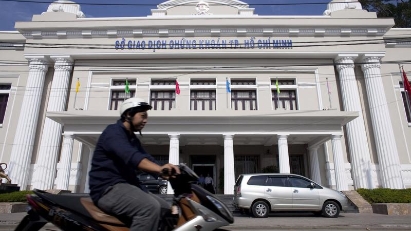
Vietnam’s stock market has proven to be an important medium and long-term capital mobilization channel during its 25 years of development, to the benefit of the financial market. According to Deputy Prime Minister Le Minh Khai, in order for the stock market to develop in breadth and depth, it is necessary to innovate the stock market model and increase the application of science and technology in its digital transformation process.
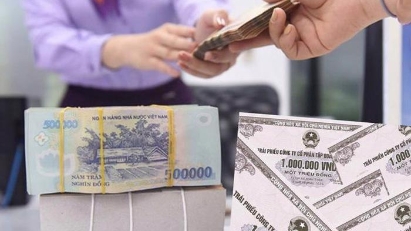
The Ministry of Finance (MoF) plans to speed up the establishment of a secondary market for individual corporate bonds and supplement regulations on credit ratings, to prevent overheating and risks in the corporate bond market.
According to Bloomberg, the competition among stocks favored by foreign individual investors such as Tesla and cryptocurrencies is part of the reason why foreign investors have been net sellers of Vietnamese stocks since the beginning of the year.