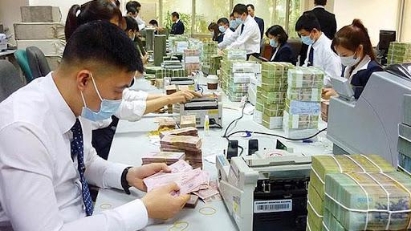
According to the Bao Viet Securities Company (BVSC), large-scale joint-stock commercial banks are currently offering the lowest deposit interest rates since 2017. Experts believe that rates will not be able to be increased before the end of the year.
Large-cap stocks, which account for 54 per cent of stock market capitalization in Vietnam, have not been a driving force in the short-term, with third-quarter business results revealing negative growth or slow growth.
Large-cap stocks should be given priority because they have been able to withstand the negative impact of the Covid-19 pandemic and will exhibit the most resilience as Vietnam’s economy enters the “new normal”.
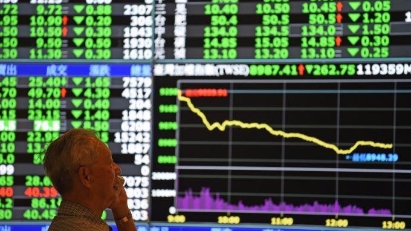
The growth outlook for the stock market in the third quarter may remain gloomy but earnings per share (EPS) seem likely to increase around 33 per cent this year. The market is therefore priced at a reasonable yet unattractive level.
According to Bloomberg, the performance of Asian capital markets has been high, with some posting double-digit returns, including Vietnam. VnDirect, meanwhile, has said that Vietnam stands out, with low prices and high profit growth potential in the 2021-2023 period compared to regional markets.
As of the end of September, there were 39 companies on the Ho Chi Minh Stock Exchange (HoSE) with a market capitalization in excess of $1 billion; two more than at the end of August.