


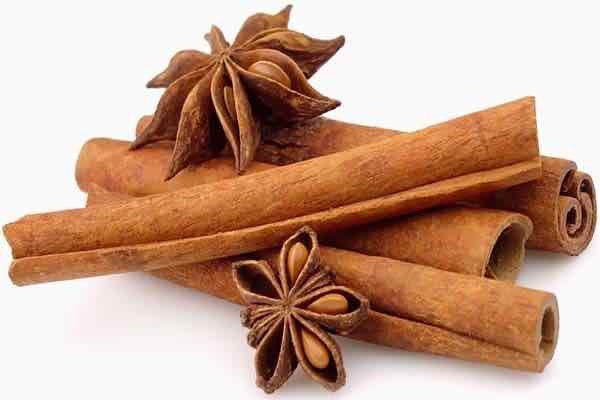
Vietnam’s exports of cinnamon and star anise have continually been on the rise and stood at some $276 million in 2022.
On 150,000 ha, the country’s cinnamon cultivation area accounts for 17 per cent of the world’s total. Most of the exported cinnamon, however, is unprocessed.
Vietnam is currently the third-largest producer and exporter of cinnamon products in the world, with over 41,400 tons annually, following Indonesia and China.
A report from the United Nations’ Food and Agriculture Organization (FAO) shows that with over 41,400 tons per year, Vietnam’s production makes up 17 per cent of the world’s total. Rapid increases in annual global demand for cinnamon, of about 8 to 12 per cent annually, has pushed up the price, especially since 2016.
At a recent seminar discussing the potential of Vietnam’s medicinal herbs, held by VnEconomy / Vietnam Economic Times, Associate Professor Tran Van On from the DKPharma JSC said cinnamon is a strategic plant in Vietnam but there is no master plan for its development.
Vietnam has not paid due regard to cinnamon processing and focused primarily on raw exports to traditional markets.
“Vietnam’s cinnamon industry needs to invest VND12 trillion ($505 million) annually, including VND8.5 trillion ($357 million) for replanting and VND1.5 trillion ($63 million) for distilling essential oils, etc.,” Associate Professor On said. “In return, with upgraded technology and deep processing, the industry can earn revenue of VND22 trillion ($925 million) a year.”






 Google translate