


One issue that needs to be clarified when developing the proposal [on wellness tourism] is the boundary between wellness tourism and medical tourism. In practice, though definitions and distinctions have been established, the two concepts are still often used interchangeably. This has direct implications for licensing, regulation, and the organization of activities.
The scope and substance of wellness tourism need to be clearly defined. Activities involving medical intervention or treatment should be distinguished from those aimed at maintaining and improving health.
This distinction is also relevant to human resources and service providers. If an activity requires specialized medical expertise or involves medical intervention, it must fall within the relevant scope of the healthcare sector. By contrast, wellness tourism needs its own requirements, from workforce training to the development of service facilities. If these boundaries are not clarified from the outset, businesses may struggle to determine the scope of their operations and regulators may find it difficult to determine their jurisdiction.
Another issue to consider is the scale of investment. Two major trends can be identified. The first is for wellness services to become part of the overall travel experience, and the second is to combine multiple services into a comprehensive wellness experience. This model requires a broader service offering and greater investment. Therefore, the proposal should take both approaches into account, rather than focusing solely on large-scale facilities.
At the same time, the scope for incorporating indigenous knowledge and traditional medicine into wellness tourism also needs to be clearly defined. A medicinal remedy or body of knowledge intended to treat illness does not become a wellness product simply because it is incorporated into a tourism program. Its suitability for health and wellness purposes needs to be established, along with clear boundaries regarding the relevant professional expertise.
The key is to clarify the substance and scope of wellness tourism before developing products, training the workforce, or investing in facilities. Workforce development for wellness tourism should differ from training for medical tourism. Likewise, developing wellness facilities does not mean developing medical facilities. The two fields are related, but their boundaries need to be clearly defined.
* * *

Vietnam does not necessarily need to compete by building larger wellness resorts, but by offering distinctive health and wellness experiences that are difficult to replicate elsewhere. Based on our experience operating a wellness resort, we believe the key is not simply adding a few spa, massage, or yoga services to an accommodation facility. A sustainable model needs to establish a wellness value chain in which traditional medicine knowledge and local resources are transformed into well-organized products and experiences.
Traditional medicine can provide two key forms of value: a story to share with customers, and a professional foundation for health and wellness products.
Wellness tourism still faces bottlenecks in mechanisms and policies and a lack of common standards and specialized human resources, while regional links remain weak. We therefore recommend developing open mechanisms and policies that make it easier for investors to enter the sector, followed by the development of a common set of national criteria.
We believe the key question for Vietnam’s wellness tourism in the time ahead is not how many wellness resorts the country has but how many destinations can genuinely deliver quality, distinctive wellness journeys and connect them into an ecosystem.
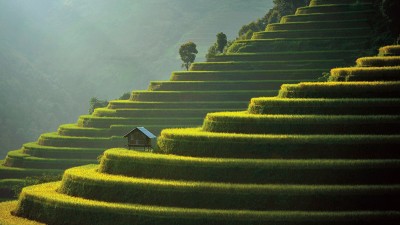
For example, in the northwest region, the competitive advantage does not necessarily lie in building larger or more luxurious facilities, but in the ability to transform medicinal herbs, forests and mountains, culture, indigenous knowledge, and local communities into quality wellness experiences with economic value.
* * *
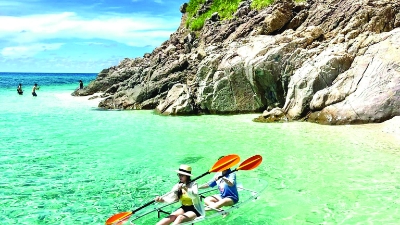
Wellness tourism has favorable conditions for development in Vietnam. In addition to international trends that have emerged since the Covid-19 pandemic, rising incomes have also increased people’s interest in their own health and that of their families. Vietnam boasts abundant natural and cultural resources, ranging from its natural environment to cultural and spiritual elements. These provide an important foundation for developing this form of tourism.
However, the scope of wellness tourism needs to be clarified first. A range of concepts are currently used, including wellness tourism, health tourism, and medical tourism. Even spiritual tourism contains elements related to psychological and mental well-being. The issue is not to choose one concept at the expense of another, but to scientifically define the substance of each concept and the relationships between them within the broader wellness tourism system.
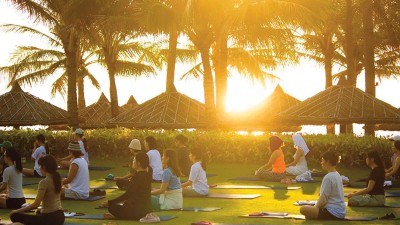
Once the scope is clearly defined, it will become easier to identify specific products. Hot-spring bathing, mineral mud baths, yoga, meditation, and similar activities need to be distinguished between those that constitute wellness tourism products and those that are simply components of tourism products more broadly. A classification system could be developed to identify which wellness products are included in a specific tour.
This is important not only for product development but also for evaluation. Once the scope and products of wellness tourism are clearly defined, there will be a basis for assessing its economic, social and cultural impacts, as well as determining the contribution of wellness tourism to the tourism sector’s overall revenue.
Therefore, clarifying the concepts and developing a product classification system are fundamental to ensuring that wellness tourism develops in the right direction, while also creating a foundation for evaluating the sector’s effectiveness in the future.
* * *

Different demands are placed on the wellness tourism workforce than conventional tourism. Professionals in this field must first have tourism expertise, while also possessing basic health knowledge, an understanding of service safety, digital skills, specialized foreign-language skills, empathy, the ability to personalize services, and knowledge of local culture. This is an interdisciplinary field, but that does not mean the tourism workforce needs to be “medicalized.”
The current challenge is an uneven and insufficiently standardized workforce. The digital skills gap remains significant, specialized foreign-language skills do not yet adequately meet the needs of international visitors, and the ability to personalize services remains limited. At the same time, workers have not received systematic training tailored to the specific requirements of wellness tourism.
I believe the focus needs to shift from imparting knowledge to developing professional competencies. Tourism and hospitality training programs should integrate wellness tourism content, develop specialized modules, and regularly update them in line with occupational standards and business needs. Training methods should also place greater emphasis on practical experience, case-based learning, real-world projects, and work-based learning.
In particular, training should not follow a one-size-fits-all formula for every destination. Ba Vi and Sapa, for example, have different conditions and characteristics, so the workforce serving wellness tourism products should also be trained to reflect the specific features of each destination. In addition to tourism lecturers, the process should involve business experts, medical and pharmaceutical specialists, and holders of local and indigenous knowledge.
Resources create potential and products create appeal, but human resources are what transform that potential into quality experiences and economic value.
* * *
Folk traditions still preserve hundreds or even thousands of medicinal remedies that have been passed down through generations by traditional healers and practitioners. Many of these remedies are believed to have practical value in health and wellness. We therefore recommend establishing a special mechanism allowing folk and hereditary remedies to undergo independent testing and preclinical evaluation and, where they meet the requirements under relevant regulations, to be considered for inclusion in the range of products serving wellness tourism.
At the same time, pharmaceutical production needs to be standardized, including allowing qualified facilities to produce at an appropriate scale if they meet standards such as ISO 22000, ISO 13485, and GMP for traditional medicine and pharmaceuticals. This would help ensure safety and hygiene throughout the processing, finishing, and packaging of products.
We also recommend that the Ministry of Health work with the Ministry of Education and Training to study the integration of knowledge and practical skills in traditional medicine-based health and wellness into medical training programs and tourism vocational institutions, thereby helping develop a high-quality workforce.
* * *
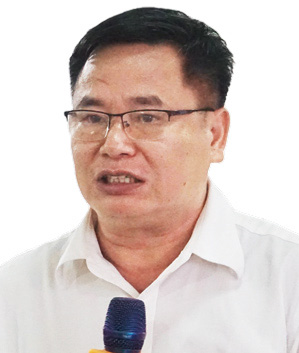
reviously a niche market, wellness tourism has been shifting into a high value-added segment. Vietnam has numerous advantages for development, from its climate, coastline, forests, hot springs, and medicinal herbs to traditional medicine and resort facilities.
However, these resources remain fragmented, products lack integration, standards are not yet consistent, and specialized human resources remain limited. The biggest bottleneck, therefore, is not a lack of resources, but the ability to connect resources, products, standards, markets and brands into an ecosystem.
There needs to be a common understanding of the concept and a clear product hierarchy. This could be divided into three tiers. First is wellness tourism, covering activities such as leisure and relaxation, meditation, yoga, healthy nutrition, and hot-spring bathing, without the objective of treating any illness. Second is wellness services with a medical component, involving medical expertise to a certain degree but without treatment as the primary objective. And third is medical tourism, covering medical examinations, diagnosis, treatment, interventions, and rehabilitation, and subject to existing healthcare regulations.
Clear segmentation is essential for developing appropriate policies for each type. Wellness tourism should not be medicalized, and activities that fall within the scope of medical expertise cannot simply be turned into tourism products.
The development framework could be built around three layers: one ecosystem, three product tiers, and key policy pillars. The ecosystem should involve the government, businesses, healthcare providers, communities, training institutions, insurers, and technology companies. The pillars should cover institutions, destinations, products, investment, human resources, markets and data. Safety, quality, green development, and sustainability should be cross-cutting requirements.
Development should not be spread too thinly. Rather, five to seven destination clusters with clear advantages should be selected for piloting, evaluation, and subsequent expansion if successful. At the same time, a national set of criteria and quality labeling should be developed on a voluntary basis, without creating an additional licensing requirement for businesses.
High-value wellness products cannot simply be a combination of spas, accommodation, and hot springs. They must constitute a complete health journey, from identifying needs and designing a program to accommodation, nutrition, physical activity, meditation, therapy, and cultural and nature-based experiences, as well as post-trip assessment and guidance. Tourism businesses, healthcare providers, medicinal herb companies, local communities, insurers, and travel companies need to be connected into an integrated value chain.
Vietnam should also avoid simply copying models from elsewhere. Instead, it should develop its own identity based on advantages such as hot springs, traditional medicine and practices, nature, climate, nutrition, and local cuisine.
 Google translate