



Evolution of traffic fines in Vietnam
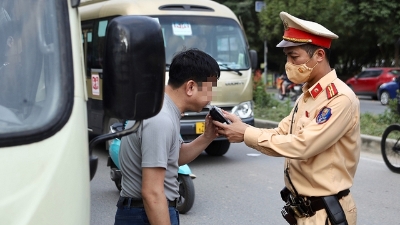
Under Decree 168, the maximum fine for motorcyclists with the highest level of blood alcohol concentration has increased to VND 8–10 million, compared to VND 6–8 million under Decree 100, which will be abolished as from mid May
Vietnam’s regulatory framework on road traffic violations has undergone significant changes with the introduction of Decree 168, which took effect in early 2025, replacing Decree 100 which is about to expire, according to the Government News.
Decree 100/2019/ND-CP, which has long served as the primary legal basis for sanctioning road and railway traffic violations in Vietnam, will be officially abolished from May 15, 2026, under the provisions of Decree 81/2026/ND-CP, dated March 19, 2026.
Previously amended and supplemented by Decree 123/2021, Decree 100 has already been largely superseded in practice following the introduction of Decree 168/2024, which took effect in early 2025. The new decree replaces most regulations on administrative penalties in road traffic, introducing significantly higher fines and a driver's license point deduction system.
The abolition of Decree 100 marks a formal transition to a stricter and more comprehensive enforcement framework aimed at improving traffic discipline and road safety.
One of the most notable changes concerns alcohol-related violations. Under Decree 168, the maximum fine for motorcyclists with the highest level of blood alcohol concentration has increased to VND 8–10 million, compared to VND 6–8 million under Decree 100. The additional penalty of license suspension for 22–24 months remains unchanged, reflecting the continued strict stance against drink-driving.
Penalties for running red lights have seen one of the sharpest increases. While Decree 100 imposed fines ranging from VND 600,000 to 1 million, Decree 168 raises this to VND 4–6 million. In addition, violators are now subject to a deduction of four points from their driver's license, signaling a move toward a more comprehensive monitoring system beyond monetary fines.
The new decree also introduces much stricter rules regarding child safety on motorcycles. Previously, improper child seating violations were subject to relatively low fines of VND 200,000–300,000. Under Decree 168, fines have surged to between VND 6–10 million depending on the case, and regulations now clearly require children aged six and above to sit behind the driver. This change highlights a stronger emphasis on protecting vulnerable road users.
Similarly, riding on sidewalks—once penalized at VND 400,000–600,000—now carries fines of VND 4–6 million, along with a deduction of two license points. This roughly tenfold increase reflects authorities' efforts to curb a widespread and hazardous practice in urban areas.
Even seemingly minor violations, such as lacking a proper rear-view mirror or having defective lighting systems, have not been overlooked. Fines for these offenses have risen from around VND 100,000–200,000 to VND 400,000–600,000 under the new regulations, indicating a more comprehensive tightening of traffic safety standards.
Overall, Decree 168 represents a significant escalation in both the scale and scope of traffic penalties for motorcyclists. By combining higher fines with a point-based license management system, the government aims to enhance compliance, reduce violations, and ultimately improve road safety across the country.






 Google translate