


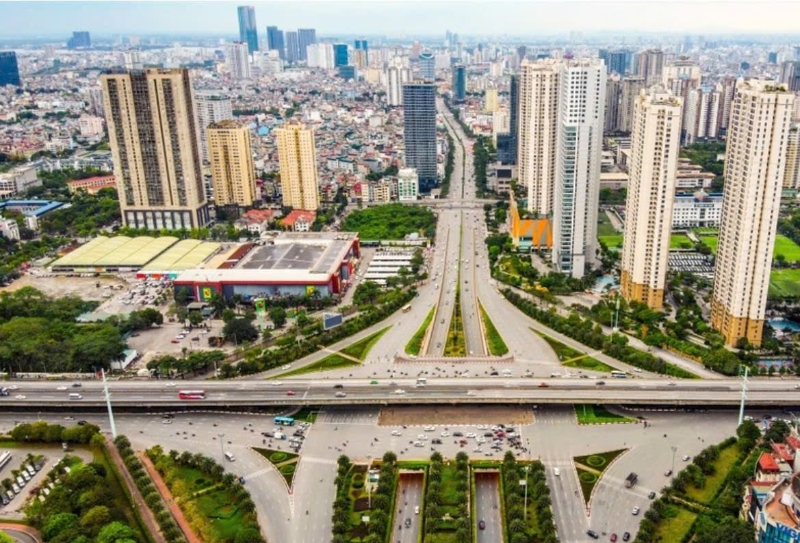
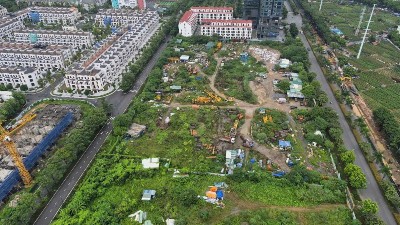
Hanoi has approved a scheme to develop multi-purpose urban areas across the city. This represents a crucial orientation in the capital’s urban spatial organization strategy for the coming period.
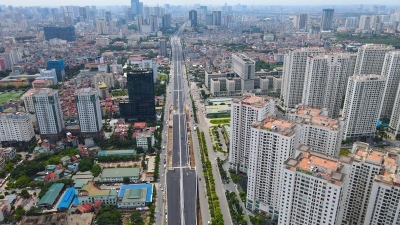
The scheme aims to develop multi-purpose urban areas distributed evenly across eight directions of the city, linked to nine dynamic development axes identified in the Capital Master Plan with a 100-year vision.
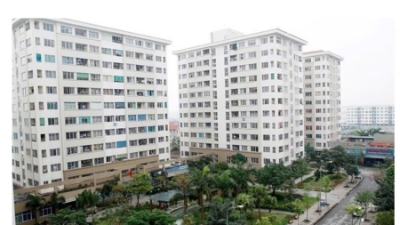
Priority will be given to locations near major transport corridors and public transport hubs. These areas are designed to meet diverse housing needs, including social housing, resettlement housing for key ongoing projects, official housing, and rental housing, combined with a balanced proportion of commercial housing.
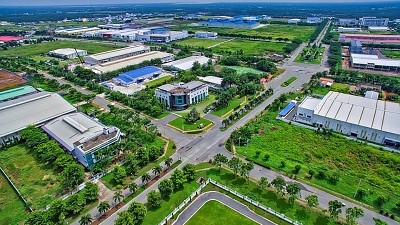
The goal is to create sustainable living and working spaces capable of generating and maintaining livelihoods for residents directly within the urban areas. These zones will feature a full range of functional areas, including commerce, services, clean production, urban logistics, and public workspaces. This ensures that residents can conduct their daily activities, study, and access healthcare, culture, and sports facilities within the confines of the urban area.
Specifically, the total housing development demand for the 2021–2030 period is estimated at approximately 195–255 million sq.m of floor area. After accounting for approximately 18 million sq.m of social housing and 45 million sq.m of self-built housing, the city needs to develop between 132 and 192 million sq.m of commercial and resettlement housing within these multi-purpose urban projects. Notably, 100% of these areas must meet smart city criteria, ensuring alignment with the city's Smart City Development Roadmap.
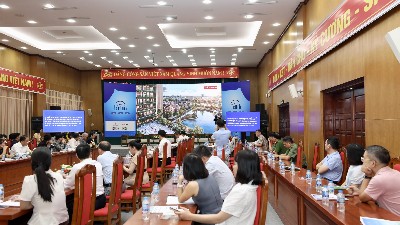
According to the roadmap, the draft scheme will be finalized and approved by the second quarter of 2026, followed by the commencement of several initial projects. By 2030, the city aims to complete and put 2–3 multi-purpose urban areas into operation.
Regarding the investment model, Hanoi encourages strategic private investors with strong financial capacity, extensive experience, and the ability to implement synchronized infrastructure to participate in these projects in accordance with legal regulations.





 Google translate