


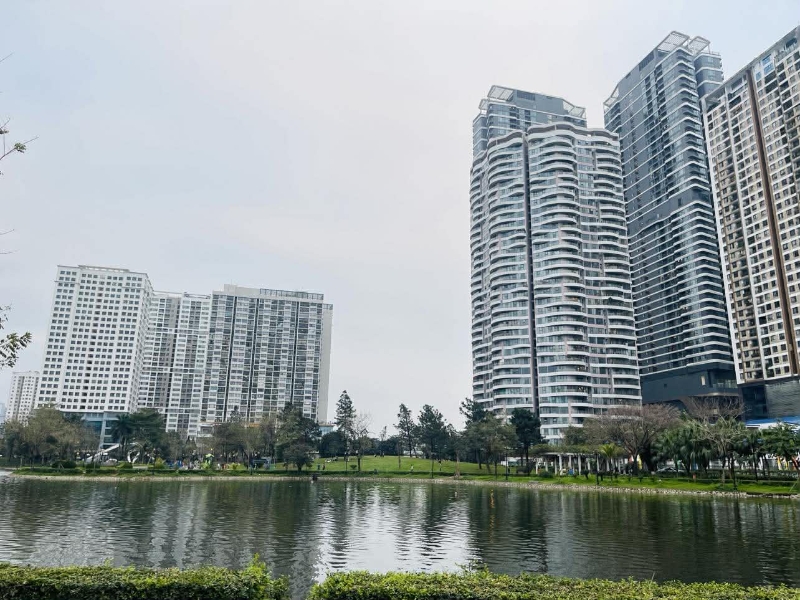
As the market enters 2026, the supply of new real estate in Hanoi is expected to accelerate, shaping a multi-polar development model closely linked to infrastructure and the expanding role of satellite cities.
In the residential segment, supply for 2026 is projected to reach approximately 18,454 units, primarily in the Grade A and B categories, noted Ms. Do Thu Hang, Senior Director of Research and Advisory at Savills Hanoi.
In the short term, primary prices are expected to maintain an upward trend. Meanwhile, secondary prices have already surpassed primary prices across all segments, reflecting a growing demand for move-in-ready apartments and high-quality living environments.
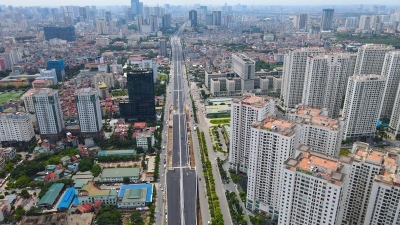
In the long term, the market's fundamental factors remain positive. Infrastructure expansion is set to unlock new residential areas. Key projects, such as Belt Road 4, various metro lines, and new bridges spanning the Red River, will support urban expansion and contribute to a more diverse housing supply in the future.
In the commercial sector, Hanoi's retail market is expected to add 300,771 sq.m of floor space from 11 projects by 2026. Director of Savills Hanoi, Matthew Powell, observed that the retail market continues to face limited supply, with shopping malls remaining the dominant format. Inner-city areas record the highest retail density, reinforcing their role as the capital's primary retail hubs, while the city center remains constrained by space and accounts for only a small portion of the total supply.
Luxury brands continue to prioritize street-front locations in Hoan Kiem Ward to maximize brand visibility and presence. However, there is a gradual shift toward high-end, professionally managed shopping malls in other inner districts.
Regarding the hospitality sector, a recovery in tourism and steady FDI inflows are bolstering long-term demand, particularly for hotels and high-quality serviced apartments. Future supply will be concentrated mainly in the western and inner-city areas, with an increasing share of projects managed by domestic operators.
Between now and 2028, the entry of high-quality hotels is expected to further drive growth in tourism and the MICE (Meetings, Incentives, Conferences, and Exhibitions) industry.


 Google translate