


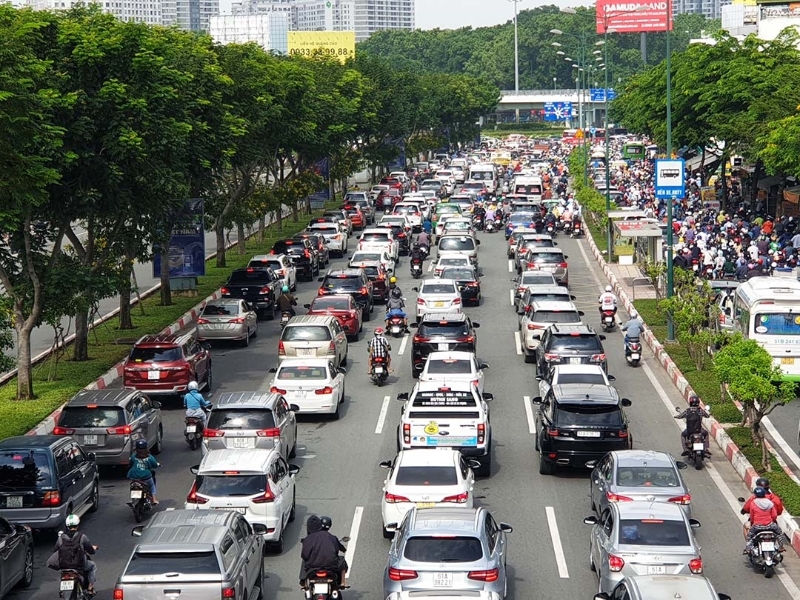
The Ho Chi Minh City People’s Committee has officially approved an action plan for air pollution control and air quality management for the 2026–2030 period, with a vision toward 2045.
For the 2026–2030 phase, the city has set specific targets to progressively reduce fine particulate matter (PM2.5) concentrations annually, striving for approximately 75–80% of days to reach "Moderate" air quality levels or better. Technology will play a central role, with a goal of ensuring 95% of the population can access air quality information through digital platforms.
In the transport sector, a roadmap of national standards will be implemented to manage emissions across all vehicle types.
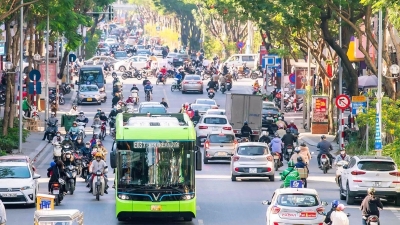
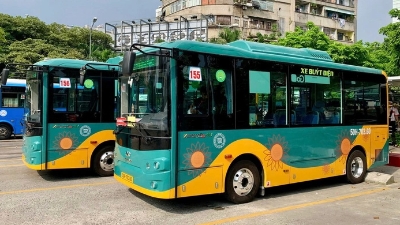
By 2030, the city aims for 100% of public transport vehicles to utilize clean energy, while strongly encouraging the transition of private and freight vehicles to green energy sources.
Simultaneously, urban infrastructure will be "green-oriented," targeting at least 500 certified green buildings by 2030 and piloting air filtration systems within high-rise structures. Looking toward 2045, the city aims to maintain air quality at "Moderate" to "Good" levels, ensuring the Air Quality Index (AQI) consistently remains below the 100 threshold.
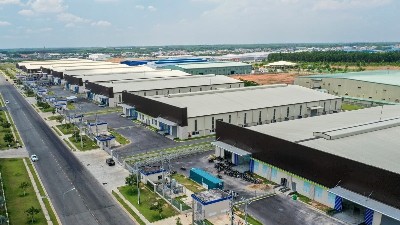
These objectives are introduced as the city faces significant environmental challenges. According to the 2025 environmental monitoring report, the city's air quality has shown signs of decline compared to previous years, primarily due to fine dust pollution and traffic noise. In response, the 2026–2030 action plan focuses on reducing emissions across four key sectors: transportation, industry, construction, and residential activities.
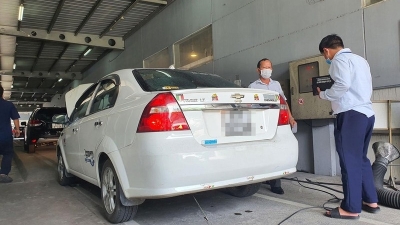
To address transport-related pollution, the city will establish Low Emission Zones (LEZs) and restrict non-compliant vehicles. Plans include zoning specific routes for heavy trucks, developing public transit and bicycle-sharing systems, and promoting the shift to green vehicles. The city will also increase roadside greenery and deploy technology to monitor vehicle emissions more effectively.
Management capacity will be bolstered through investments in a modern, automated monitoring network. The city plans to utilize Artificial Intelligence (AI), the Internet of Things (IoT), and Big Data to analyze and forecast pollution trends.
Furthermore, the city will strengthen international cooperation, research, and technology transfer regarding emission treatment and byproduct recycling, alongside communication campaigns to raise public awareness.

 Google translate