


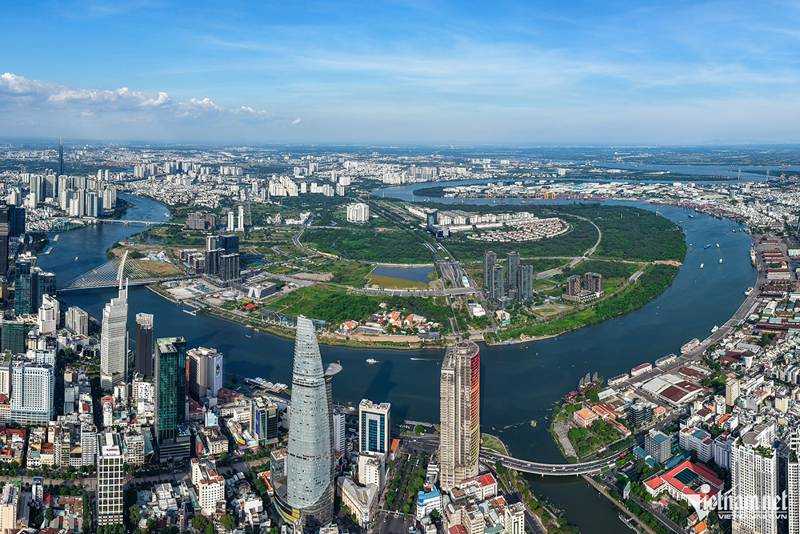
The People’s Committee of Ho Chi Minh City has unveiled the municipal Action Plan for Circular Economy Development through 2035, with the blueprint establishing quantitative targets for waste management, clean energy, and greenhouse gas emissions, alongside mandating to advance technology adoption, secondary raw material markets, and inter-enterprise industrial symbiosis.
Under the plan, the city defines the circular economy as a cornerstone to overhaul its economic growth model, maximize resource efficiency, and cultivate new high-value supply chains.
The core focus is developing and operating economic models where product design, manufacturing, consumption, and services actively curb raw resource extraction, extend product lifecycles, minimize waste generation, and mitigate environmental impacts.
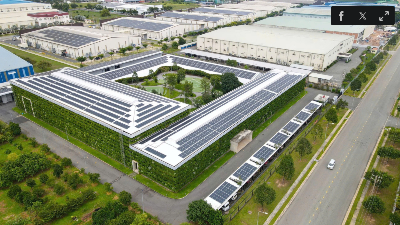
By 2030, the city aims for waste-to-energy and biomass power generation capacity to reach 402 megawatts (MW). Renewable and alternative energy sources are targeted to account for at least 15% of the citywide peak electrical capacity, while energy efficiency measures are set to reduce total power consumption by at least 8%.
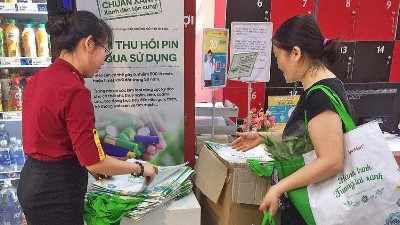
In municipal waste management, the city will mandate household solid waste sorting at source citywide in alignment with legal standards and local conditions. The target for household solid waste recycled and treated via advanced technology is set above 90%, with a 100% collection, transportation, and safe treatment rate across both urban and rural areas.
For wastewater, the plan sets a 100% treatment target for effluent discharged into river basins from concentrated production, commercial, and service zones, industrial clusters, industrial parks, export processing zones, and high-tech parks. Concurrently, greenhouse gas (GHG) emission intensity per unit of Gross Regional Domestic Product (GRDP) must decline by at least 15% compared to 2014 levels.
These metrics are paired with requirements to scale up resource efficiency, reuse, and recycling models in manufacturing and commerce. The city also aims to establish new high-value chains, generate green jobs, and increase the transfer, commercial application, and patenting of technologies and equipment in material recovery and reuse.
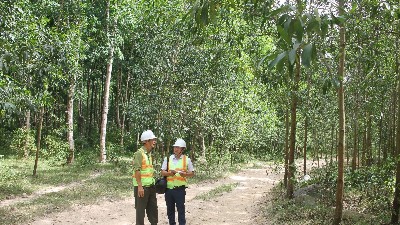
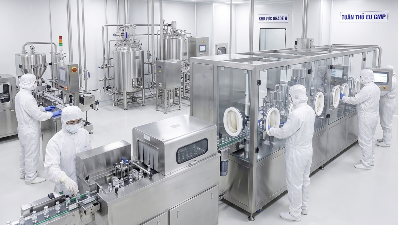
The action plan designates 10 priority sectors for circular economy implementation through 2035: Agriculture, forestry, and fisheries; Energy; Mineral extraction and processing; Processing and manufacturing; Chemicals; Construction; Transportation; Commercial services and tourism; Waste management; and Development of urban areas, concentrated residential zones, industrial parks, industrial clusters, and concentrated commercial zones.

 Google translate