


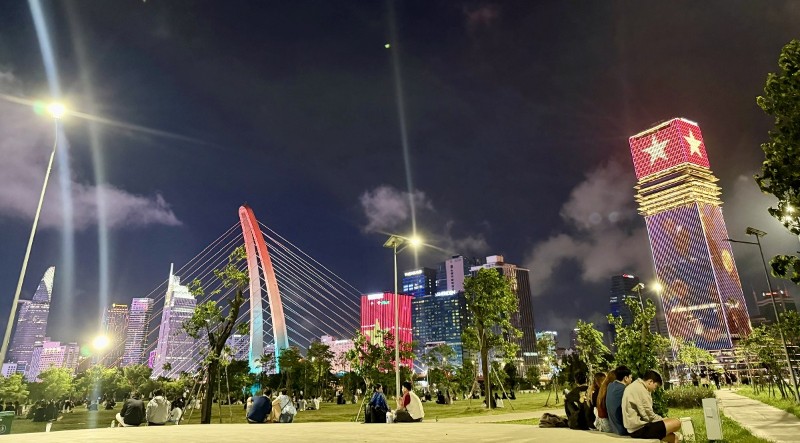
The Ho Chi Minh City People's Committee has officially issued a decision, approving the "Action Plan for Climate Change Response through 2030, with a Vision toward 2050."
Under the plan, the southern city aims to bolster its adaptive capacity against extreme weather events, including heatwaves, droughts, heavy rainfall, flooding, and rising sea levels. The strategy focuses on mitigating disaster risks, conserving biodiversity, ensuring food security and social welfare, and ultimately enhancing the quality of life for its citizens.
The city is steering toward a low-carbon economy by integrating climate change adaptation and mitigation solutions into its socio-economic development planning. This move is designed to align with and contribute to Vietnam’s international commitments on climate action.
To achieve these objectives, the plan outlines several key tasks across various sectors:
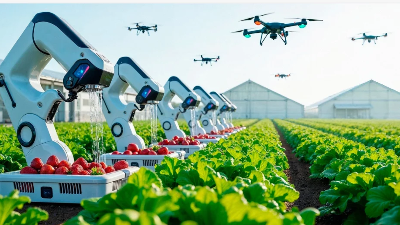
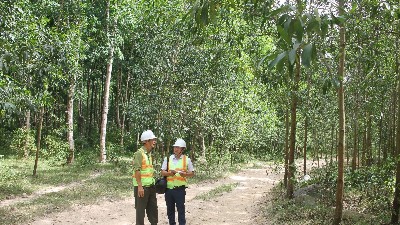
In agriculture and the environment, the city will conduct climate impact assessments, manage and restore forests, and ensure the sustainable use of natural resources. Efforts will also be directed toward improving the quality of disaster forecasting and warning systems. Additionally, the city will apply advanced technologies in wastewater and waste treatment to reduce greenhouse gas emissions and strengthen waste management protocols.
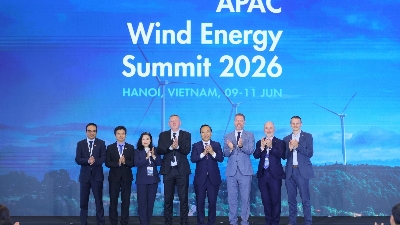
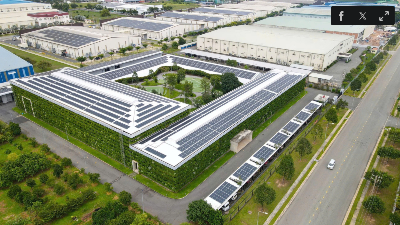
In industry and energy, the focus will be on promoting the transition to clean technologies and encouraging energy efficiency. The city plans to develop renewable energy sources, ensure energy security, and implement solutions to reduce greenhouse gas emissions within industrial production.
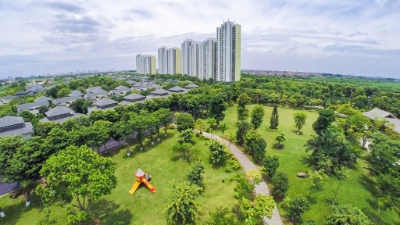
In construction and urban planning, the city will develop smart city models resilient to climate change. This includes upgrading drainage and flood control systems, ensuring water supply security, and encouraging the development of green buildings and eco-friendly construction materials.
In transportation, priority will be given to developing infrastructure capable of withstanding climate impacts. This involves upgrading roads in frequently flooded areas and promoting the use of clean-energy vehicles and technologies to lower the sector's carbon footprint.
Beyond these technical and economic sectors, the plan also integrates climate change response strategies into the fields of culture, tourism, and healthcare.



 Google translate