


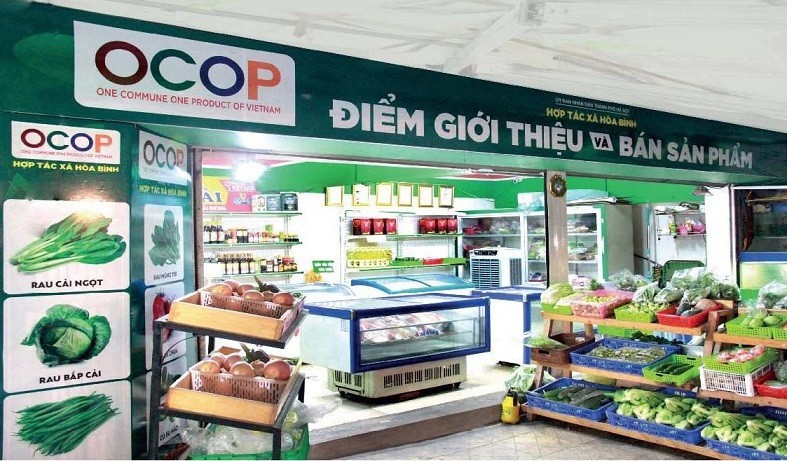
Ho Chi Minh City has initiated a citywide review of its One Commune One Product (OCOP) program, focusing on re-assessing expired recognitions, improving product quality, and building high-value brands capable of entering premium domestic and export markets.
Under Official Dispatch 8406/UBND-DT issued by the municipal People's Committee, local departments and authorities are directed to ensure that OCOP evaluations remain objective, transparent, and aligned with practical market standards. The review aims to improve the overall competitiveness and commercial viability of recognized products across the economic hub.
The move follows the rapid expansion of the city's urban agriculture program from 2021 to 2025, during which the total number of recognized OCOP items expanded significantly from 38 to 1,006 products. This catalog includes 781 three-star items (accounting for 77.6 percent) and 225 four-star items (22.4 percent), involving 416 participating entities ranging from cooperatives and farms to private enterprises and household businesses.
While this expansion created jobs and helped transition local agriculture from raw production to processing, municipal authorities noted that growth has been largely quantitative. Deeply processed goods, advanced technology adoption, and innovative packaging remain limited, leaving few local products ready for high-end retail or international trade.
To address these shortcomings, Ho Chi Minh City is prioritizing quality over sheer volume. Official Dispatch 8406 requires authorities to review all products with expiring certifications, guide producers through re-evaluation using updated criteria, and select high-potential items for specialized development support.
Simultaneously, each commune and ward is tasked with introducing at least one new qualified candidate during 2026, maintaining momentum while enforcing stricter entry standards.
The municipal Department of Science and Technology is partnering with local producers to implement digital transformation tools, supply chain traceability, and intellectual property registration. Priority assistance is directed toward signature products capable of reaching higher star ratings and generating greater added value.
This operational shift aligns with the city's 2026 to 2030 agricultural strategy, which focuses on building modern supply chains, logistics infrastructure, and value-chain linkages to bring regional specialties up to export-ready standards by 2030.
Furthermore, the municipal Department of Tourism is integrating OCOP goods into rural, community, and craft-village tourism routes, linking producers with travel agencies, hotels, and gift supply networks for international visitors.
The results of this strategy are reflected in the second evaluation round of 2026. Out of 77 products submitted by 25 entities across 18 localities, 33 were new applications, 31 underwent re-assessment, and 13 sought upgrades. The process yielded 25 three-star ratings, 5 four-star ratings, and 10 top-scoring items exceeding 90 points. Producers of these 10 candidates are finalizing dossiers for national five-star OCOP consideration in December 2026.
By linking raw material zones, processing technology, brand protection, and tourism integration, Ho Chi Minh City aims to transform certified OCOP items from mere titleholders into commercially sustainable goods capable of competing across broader regional and global markets.








 Google translate