


Against a backdrop of global economic uncertainty, Vietnam continues to record positive results in attracting FDI. Total registered FDI exceeded $50.36 billion in first nine months of 2026, up 76.4 per cent year-on-year. Disbursed FDI totaled $21.07 billion, an increase of 12.1 per cent and the highest level in five years. Investment was especially concentrated in high-tech sectors, including semiconductors, electronic components, and renewable energy.
Having attracted more than $50 billion in FDI in the first nine months, Vietnam could see full-year inflows hit $60 billion or even higher; a level previously recorded during an earlier investment boom. However, attracting such substantial investment, particularly clean and high-quality FDI, would require Vietnam to navigate increasingly intense competition from regional economies. This means that providing ready-to-build industrial land alone may not be enough to attract and retain major technology investors. Behind billion-dollar factories are tens of thousands of international experts and senior engineers who need more than a workplace: they need a place where they and their families can build a life.
Lessons from Bac Ninh
Bac Ninh city has been a pioneer in recognizing and gradually addressing this gap in the supporting infrastructure needed to attract foreign investment. As Vietnam’s third-largest industrial hub, the northern city has become a destination for major multinational corporations such as Samsung, Amkor, Canon, Foxconn, and Sungwoo. To date, foreign investors have committed approximately $52 billion to the city across more than 3,670 active projects. In the first nine months of this year alone, Bac Ninh approved 264 new FDI projects with total registered capital of more than $1.677 billion.
The rapid expansion of manufacturing and electronics has triggered a substantial influx of skilled employees. Bac Ninh currently has approximately 25,000 foreign workers, which is projected to grow by 10-15 per cent annually. By 2030, the city is expected to host around 40,000 international experts and engineers. This growing population is putting increasing pressure on the local housing and accommodation market.
Mr. Hao Bei Ping, Deputy General Director of Sales at the Yuhua Vietnam Packaging Technology Co., Ltd., said he would like to live in an integrated urban development offering a range of modern amenities while working in Vietnam. If Vietnam could develop such communities near industrial parks, he said, this would give it an advantage in attracting billion-dollar projects from foreign companies.

Nevertheless, the gap between potential demand and foreign residents’ access to housing raises several challenges. Homeownership can provide greater residential stability and eliminate monthly rental payments, while also offering the prospect of capital appreciation over time. Close integration between high-tech industrial parks and internationally-competitive urban ecosystems is therefore increasingly seen as a source of competitive advantage for Bac Ninh and other localities.
To address this challenge, local authorities are looking beyond industrial park expansion toward developing accommodation and residential communities based on an “all-in-one” model. These smart, green urban developments integrate a comprehensive range of amenities, including international hospitals, schools teaching multiple grades, shopping centers, entertainment facilities, and layered green spaces.
Strengthening Vietnam’s FDI competitiveness
However, providing suitable homes for international experts, as Bac Ninh is seeking to do, is only one element of a broader FDI ecosystem. To attract and retain major technology investors and realize its ambition of gradually mastering advanced technologies, Vietnam needs not only large, amenity-rich urban developments but also coordinated progress across several other critical areas.
According to Mr. Nguyen Van Toan, Vice Chairman of the Vietnam Association of Foreign Invested Enterprises (VAFIE), FDI attraction must go beyond allocating plots of land for factories. The next stage should involve planning integrated industrial, urban, and service complexes, with international education facilities, high-standard hospitals, and spaces for cross-cultural interaction. Only when foreign experts are confident that their families are well cared for can they fully contribute to their companies’ development.
Though the legal framework has improved, with clearer provisions on the eligibility, conditions, and ownership rights of foreign organizations and individuals purchasing homes, implementation at the local level still faces delays and inconsistencies. Detailed guidance is therefore needed, alongside a systematic review of practical obstacles. Establishing a transparent, multilingual property exchange or data portal for foreign buyers, with accurate connections between supply and demand, could remove information barriers that currently constrain international investment in the real estate market.
Beyond addressing obstacles to foreign property ownership, Vietnam should consider mechanisms such as golden visas linked to investment or long-term residency for high-tech professionals. As regional economies compete by fast-tracking approvals for both projects and personnel, streamlining administrative procedures, from work permits and residency visas to homeownership certificates, could give Vietnam a significant competitive advantage in attracting FDI.
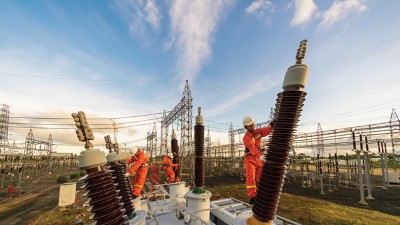
Alongside greener living environments, the next generation of FDI brings stringent requirements for clean energy in production. Given the enormous electricity demands of high-tech industries such as semiconductors and data centers, ensuring access to green energy is a prerequisite for attracting investment.
Vietnam must also prepare a highly-skilled domestic workforce to complement international talent. Building local communities of international experts can encourage the exchange of experience and knowledge, helping lay the groundwork for technology transfer over time.
Finally, housing and residential developments for international experts should be planned in coordination with industry clusters, where foreign-invested and domestic enterprises can interact more easily, transfer technology, and establish local R&D centers. Such an integrated approach would help Vietnam move up the global value chain and capture greater value from its participation in the international economy.

 Google translate