


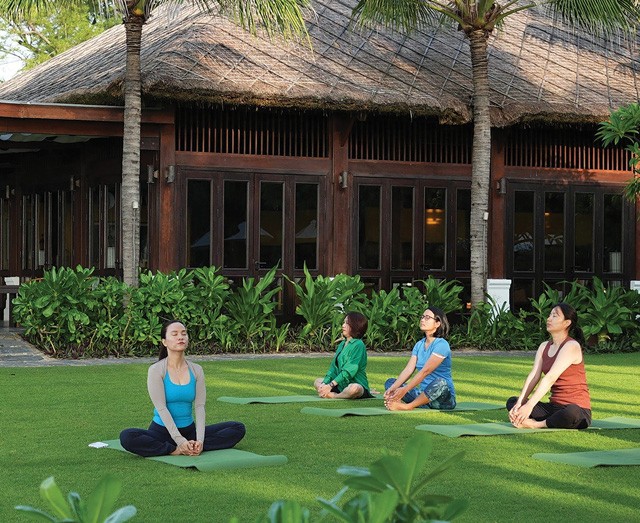
Wellness tourism is entering a new phase as travelers increasingly seek not only leisure and sightseeing but also disease prevention, physical recovery, mental well-being, nutrition, and a better quality of life overall. According to the Global Wellness Institute (GWI), global wellness tourism spending stood at $893.9 billion in 2024 and is projected to grow by an average of 9.1 per cent annually to 2029, when it will hit $1.383 trillion. Asia-Pacific is already one of the world’s largest wellness tourism markets.
For Vietnam, traditional medicine could provide a distinctive competitive advantage. But the opportunity goes beyond developing more spas and resorts. It lies in building a value chain connecting traditional medicine, medicinal herbs, tourism, healthcare, culture, nutrition, sports, and science and technology to create products with a distinctly Vietnamese identity.
Vietnam’s opportunity
Wellness tourism is increasingly becoming a broader ecosystem focused on proactive health rather than simply leisure. The GWI defines it as travel aimed at maintaining or enhancing health and well-being, with an emphasis on prevention, healthy lifestyles, and physical, mental, emotional, social, and environmental balance.
Vietnam has several assets that could support this market, including acupuncture, massage, acupressure, therapeutic exercise, and medicinal herbs, alongside traditional medicine facilities, medicinal herb-growing regions, indigenous knowledge, and natural resources.
The Ministry of Health has said that Vietnam has more than 5,000 plant species with health-related uses, while around 400 mineral and hot spring sources have been surveyed. Together, these resources could form a distinctive chain linking medicinal herbs, traditional medicine, hot springs, nature, indigenous culture, cuisine, resorts, and wellness.
The challenge is turning these assets into integrated products. Many localities already offer hot springs, spas, traditional medicine, meditation, yoga, and healthy eating, but these services often remain disconnected rather than forming complete health journeys with professional consultation, accommodation, and clear quality standards.
Vietnam has already taken steps in this direction. Decision No. 2951/QD-BYT, issued in 2023, sets out a framework for developing traditional medicine and pharmaceutical services and products for tourists through 2030, including healthcare, beauty, medicinal herbs, traditional medicine, indigenous culture, and academic tourism.
However, wellness tourism based on traditional medicine cuts across healthcare, tourism, agriculture, culture, science and technology, education, and insurance. The next step is to connect these policies into a unified framework capable of turning traditional medicine and indigenous resources into competitive wellness products. A key priority is to clearly distinguish “wellness tourism” from “medical tourism.” This matters because the two involve different professional, licensing, and consumer protection requirements.
Products could be divided into three tiers: pure wellness activities such as meditation, yoga, nutrition, and mineral bathing; wellness services incorporating traditional medicine but not classified as medical treatment; and medical examination and treatment, which must be provided by appropriately-licensed facilities and practitioners. Clear definitions would reduce risks for businesses, regulators, and tourists while supporting separate standards, data, and statistics.
Complete wellness ecosystem
Vietnam should move beyond the perception that wellness tourism is synonymous with spas and instead develop integrated “health journeys” combining lifestyle consultation, therapeutic exercise, meditation, outdoor activities, nutrition, medicinal herb experiences, and traditional health practices within the scope permitted by law. These journeys could connect medicinal herb-growing areas with local cuisine, culture, and wellness services, while hot springs, traditional medicine, and resorts could similarly be combined into integrated products. The value would then lie in the overall experience rather than any individual service, in line with the product categories identified under Decision No. 2951.
To make these products credible, Vietnam needs clear standards covering facilities, personnel, medicinal herbs, service procedures, safety, risk management, and consumer protection. International standards, including ISO 7101:2023, ISO 17679:2016, and ISO 21426:2018, could provide references while being adapted to local conditions. Traditional medicine products should combine traditional knowledge with scientific evidence, while traditional remedies and practices should be researched and standardized to support legitimate recognition and commercialization. This would help preserve traditional knowledge while limiting uncontrolled commercialization and unsubstantiated health claims.
Medicinal herb-growing regions could become another pillar of Vietnam’s wellness offering. The country’s more than 5,000 health-related plant species will become an economic advantage only when organized into a value chain covering cultivation, harvesting, processing, research, production, and distribution. Tourism could become a new link in that chain through “medicinal herb destinations”, where visitors learn about plants and cultivation, experience herbal cuisine and culture, and access appropriate wellness services.
Rather than developing wellness tourism everywhere at once, Vietnam could select destination clusters with strong natural resources, medicinal herbs, healthcare, accommodation, transport, human resources, and cultural assets.
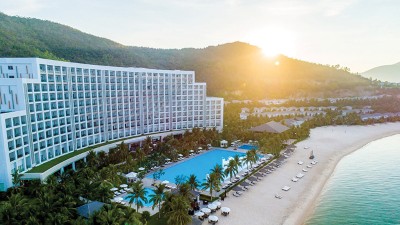
Potential models include hot spring-resort-traditional medicine clusters; medicinal herb-indigenous culture-community tourism clusters; coastal wellness destinations; and urban wellness clusters linked to specialized healthcare, traditional medicine, and high-end accommodation. Each cluster should have its own identity rather than replicate the same products.
Finance and human resources
Wellness projects require substantial investment in treatment spaces, landscaping, exercise facilities, nutrition, water and environmental systems, specialized personnel, and quality management. Smaller businesses and local communities may struggle to finance this independently.
Support should therefore be tailored to project types. Large projects could receive investment incentives if they meet environmental, quality, and community requirements, while medicinal herb and community-tourism projects could receive support for infrastructure, training, branding, and digitalization.
Public-private partnerships could also help mobilize investment, with the government focusing on shared infrastructure, data, research, training, and promotion rather than directly operating all services. Insurance and risk management mechanisms should also be strengthened, particularly for international visitors and services involving healthcare.
Human resources will be equally important. Healthcare professionals need training in tourism and services, while tourism professionals need basic knowledge of wellness, traditional medicine, and professional boundaries.
Specialized roles could include wellness managers, health journey coordinators, nutritionists, medicinal herb tourism guides, certified therapists, and quality managers.
Competitive sector
A modern wellness ecosystem also needs reliable data. The database envisioned under Decision No. 2951 could help tourists identify recognized facilities, practitioners, service scopes, medicinal herb origins, and quality standards, while enabling businesses and regulators to monitor demand, quality, and customer satisfaction. Vietnam should also develop dedicated statistical indicators for wellness tourism, to better measure its economic contribution and market trends.
For international markets, a certified “Vietnam Wellness” brand could provide a recognizable quality mark for products meeting standards on quality, safety, origin, personnel, and community responsibility. Promotion should focus on integrated “health journeys” rather than individual spas or destinations, highlighting combinations of accommodation, physical activity, nutrition, traditional medicine, nature, and local culture.
Development could proceed in stages. During 2027-2028, priorities could include completing the legal framework, defining wellness and medical tourism, developing national standards, reviewing business conditions, establishing a database, and selecting pilot destination clusters.
From 2028-2030, the focus could shift toward developing markets through selected clusters connecting tourism businesses, healthcare facilities, medicinal herb regions, communities, and research institutions. The government would focus on infrastructure, standards, data, and promotion, while businesses would lead investment and product development.
After 2030, once sufficient data has been collected on quality, costs, customer satisfaction, and economic impact, Vietnam could expand successful models and target suitable international markets. The goal need not be to become the region’s largest medical tourism destination, but to establish a distinctive position combining traditional medicine, nature, and proactive wellness.


 Google translate