


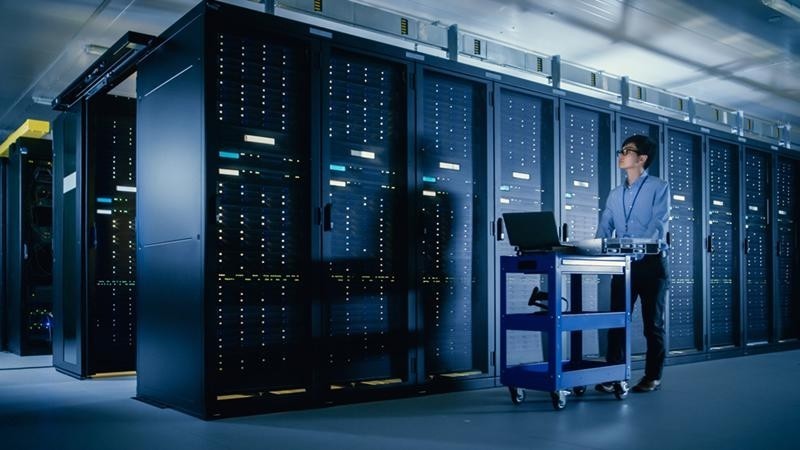
Manpower Vietnam has identified three major shifts driving high-quality workforce demand and international expert movement over the coming decade, based on insights shared by the company’s Operations Director Vo Thi Bich Thuy.
First, demand for skilled talent is growing faster than market supply. According to Manpower’s Hiring Trends survey, 52 percent of businesses plan to increase hiring in the fourth quarter of 2026. Recruitment orders throughout 2026 show strong growth across artificial intelligence (AI), semiconductors, automation, logistics, supply chain, and high-tech manufacturing.
However, suitable talent shortages remain a critical bottleneck, with nearly 50 percent of surveyed firms taking longer to fill open roles compared to 2025 due to candidate scarcity. In the semiconductor industry, Vietnam targets 50,000 qualified personnel by 2030, but current supply stands at approximately 15,000 workers, covering only 30 percent of long-term demand.
Second, corporate expectations for high-skilled professionals are evolving. Formal qualifications, language proficiency, and managerial experience have shifted from key differentiators to baseline criteria. Enterprise demand now prioritizes mid- and senior-level candidates who can execute digital transformation, optimize operations, manage cross-border teams, and deliver organizational growth. Recruitment priorities have transitioned from finding candidates who operate existing workflows to selecting leaders who actively drive innovation and expansion.
Third, competition for top-tier talent is transitioning to a global scale. Domestic enterprises no longer compete solely within local markets; qualified AI specialists, factory directors, and senior executives can select roles across major international economic hubs. The shift requires Vietnam to compete globally not only for foreign direct investment but also to attract and retain domestic and international talent.
To align training capacity with national development priorities, Mr. Nguyen Tien Thao, Director General of the Department of Higher Education under the Ministry of Education and Training, noted that the ministry is executing targeted training programs in STEM fields, high-speed rail, nuclear engineering, IC design, and information technology.
By 2030, higher education requirements in both semiconductors and AI are each projected to surpass 50,000 qualified personnel, requiring closer institutional collaboration with enterprise end-users.



 Google translate