


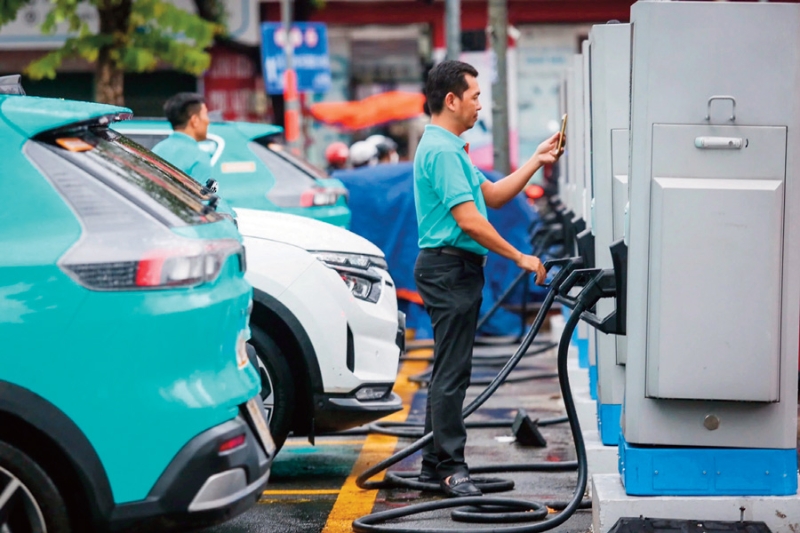
With millions of vehicles running on fossil fuels, transport is considered one of the largest sources of emissions not only in Vietnam but around the world. Vietnam’s shift toward clean-energy vehicles, especially electric vehicles (EVs), has been gaining increasing attention over recent times, particularly as the conflict in the Middle East continues to disrupt global energy markets, heightening concerns over fuel supply and prices.
Experts believe the transition to EVs requires alignment across infrastructure, policy, and business models. The development of charging networks and the introduction of appropriate incentives for transport operators and consumer support will ultimately determine the pace of adoption in the years ahead.
Breakthrough opportunity
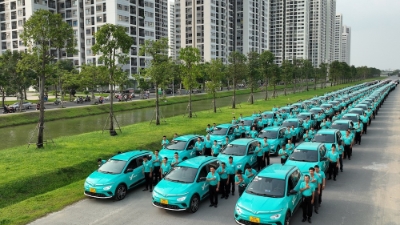
Vietnam has been witnessing a strong rise in domestic enterprises and growing determination among major cities to “green” their transport infrastructure. In Hanoi, efforts are underway to convert the entire taxi fleet to EVs by 2030.
Mr. Nguyen Quang Huy, Deputy Head of the Transport Management Division at the Hanoi Department of Construction, told the recent “Electric Vehicles: A Solution to the Energy and Sustainable Development Challenge” forum that of the more than 14,300 taxis under the Department’s management, nearly 8,700 - or about 60 per cent - are EVs, highlighting the readiness of transport businesses to embrace the transition.
To support this roadmap, Hanoi is drafting resolutions to provide interest rate subsidies on business loans, preferential parking fees, and, notably, a synchronized charging network comparable to traditional fuel stations.
From a manufacturing perspective, Mr. Hoang Ha, CEO of VinFast E-scooter Vietnam Market, said more than 406,000 electric motorcycles and 175,000 electric cars were sold in 2025, underscoring the growing appeal of EVs. Meanwhile, the company’s charging infrastructure now spans the country, with 150,000 charging ports. It plans to roll out ultra-fast charging hubs this year that are capable of serving 100 vehicles simultaneously, with charging times of just 15 minutes.
One notable bright spot is localization capacity. Mr. Pham Van Quan, Deputy Director of the Industry Department at the Ministry of Industry and Trade, said VinFast’s localization rate had reached about 60 per cent by 2025 and could rise to 80 per cent once its battery plant in northern Ha Tinh province is operating stably. This indicates that Vietnam is gradually mastering the core technologies in the EV industry.
Conversely, some foreign-invested automotive firms, despite more than 30 years of operations in Vietnam, have yet to meet their committed localization rate of 40 per cent, with many models still at just 10-15 per cent.
In battery storage, VinFast is also launching new investment projects, aiming to raise localization rates to 80-90 per cent in the phases ahead. In practice, localization varies by product: some reach 80-90 per cent while others remain around 40 per cent due to higher domestic production costs or the need to diversify supply sources.
Mr. Quan noted that current incentives for support industries are creating favorable conditions for domestic companies to participate more deeply in the EV supply chain. Around 700 companies are already part of VinFast’s ecosystem; a number that is expected to grow, strengthening lead firms and advancing Vietnam’s EV industrial ecosystem.
Bottlenecks to address
Despite the strong potential, the mass adoption of EVs still faces hurdles related to land availability, technical standards, and consumer perceptions. Mr. Huy acknowledged that installing charging stations in densely-populated areas and inner-city parking facilities remains constrained by land shortages and regulatory requirements.
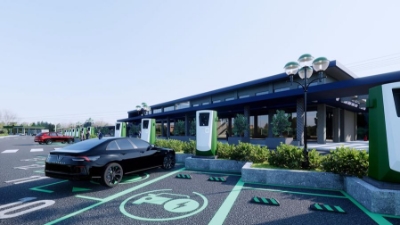
Though 110 potential sites have been identified, deployment still requires close coordination between construction, electricity, and transport authorities for pilot approvals. After the pilot phase, Hanoi will assess and expand based on actual demand. The Hanoi Department of Construction is currently drafting a master plan and tender criteria to develop a shared charging and battery-swapping network that is as convenient as traditional gas stations.
Consumer psychology is another challenge. Many remain concerned about battery durability and fire safety. However, Mr. Quan said that including second-life use for energy storage, EV batteries can last up to 40 years. Infrastructure development is also slowed by complex regulations governing investment, electricity, and construction.
The legal framework for EVs also remains incomplete. In practice, businesses are moving faster than policymakers. By the end of 2025, Vietnam had issued only 18 standards for charging equipment. The Prime Minister has instructed that the full legal framework be completed by the second quarter of this year to create a more enabling environment for investment.
Solutions needed
To unlock the full potential of EVs, experts proposed a set of strategic solutions targeting both supply and demand. Mr. Quan emphasized the need for preferential credit packages with interest rates 2-3 per cent lower than market levels to encourage consumers to switch.
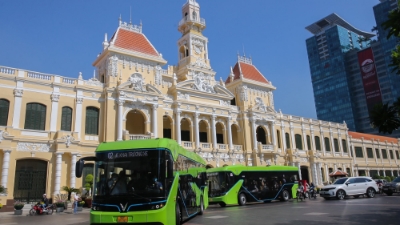
Priority should also be given to green vehicles in the public sector, such as official cars and electric buses, to create a strong demonstration effect. At the same time, policies should focus on high-consumption segments like urban transport and bus networks, linked with charging infrastructure development.
Completing a “green legal framework” is equally critical. The Industry Department is proposing revisions to a decree on support industries, with deeper incentives for battery and EV component production. Notably, foreign-invested enterprises seeking incentives would be required to integrate Vietnamese companies into their supply chains, thereby boosting domestic technological capacity.
The Ministry of Industry and Trade has introduced a range of incentives, including tax breaks, land-use preferences, and corporate income tax reductions. Specific measures include tax exemptions for the first four years and reductions for the following nine years, applied over a ten-year project lifecycle to help stabilize business operations.
It is also implementing programs to support market connectivity, technology transfer, and workforce training. For domestic firms not yet ready to join supply chains, support industry programs aim to build capacity and meet global standards, enabling gradual integration into global value chains. These policies are already in place to promote the EV industry while contributing to national energy security.
Despite the strong potential, the mass adoption of EVs still faces hurdles related to land availability, technical standards, and consumer perceptions.
Finally, Mr. Quan stressed the importance of workforce development. As a new industry, EVs require updated education curricula, trained instructors, and a skilled workforce to meet future demand. “We are not only encouraging people to switch vehicles, but also ensuring that alternative infrastructure is sufficiently developed for voluntary adoption,” he explained, adding that the Hanoi Department of Construction has advised the Hanoi People’s Council on a resolution to transition transport from fossil fuels to green, clean energy.
The resolution includes a wide range of measures, such as preferential loans and tax incentives for transport operators, support for inner-city parking, bus fare subsidies, construction of charging and energy storage infrastructure, and land lease assistance. Experts also suggested that Vietnam boldly pilot new business models, such as battery-swapping stations and shared electric mobility services.





 Google translate