



Information systems in Vietnam faced approximately 552,000 cyberattacks in 2025, a decrease of 19.38% compared to 2024, according to statistics from the National Cybersecurity Association (NCSA).
The report, conducted in December 2025 by the NCSA’s Technology Committee, was based on a survey of over 5,300 agencies and organizations across the country.
This trend suggests that cybersecurity investments by various agencies and organizations are beginning to yield results, making it more difficult for hackers to execute simple attacks.
However, a decline in the total number of attacks does not equate to a reduction in risk. The survey revealed that 52.30% of agencies and businesses reported suffering damage from cyberattacks during the year—a significant increase from the 46.15% recorded in 2024.
The five most common attack methods in 2025 were: Distributed Denial of Service (DDoS); the insertion of illegal gambling and betting backlinks; Advanced Persistent Threats (APT); data theft; and ransomware. Notably, hackers are increasingly combining these methods into sophisticated, multi-layered scenarios.
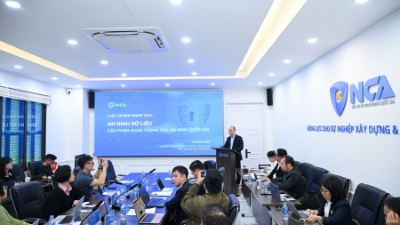
Head of the NCSA Technology Committee, Mr. Vu Ngoc Son, noted that “Hackers are shifting toward 'double attacks.' Instead of encrypting data immediately upon infiltration, they remain latent within the system for long periods. Their goal is to steal sensitive data to sell or exploit on the black market. Only when no further data can be extracted do they proceed to encrypt the system and demand a ransom.”
Despite the growing complexity of threats, 2025 also saw positive shifts in cybersecurity awareness. The proportion of agencies and businesses providing cybersecurity awareness training reached 75.93%, indicating that security has become a higher priority.
Approximately 51.45% of organizations conducted cybersecurity drills to proactively develop incident response procedures. Meanwhile, 51.65% reported having deployed or currently operating a Security Operations Center (SOC), reflecting a trend toward centralized monitoring and early response.
Most notably, the rate of businesses equipped with data backup systems reached 76.35%, showing that organizations are now better prepared for disaster recovery and system restoration.











 Google translate