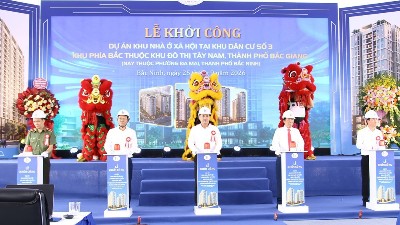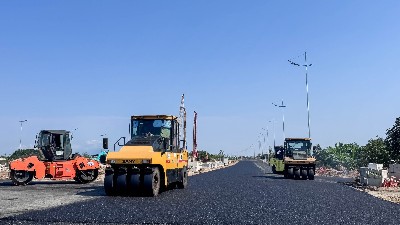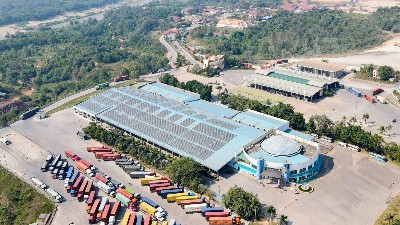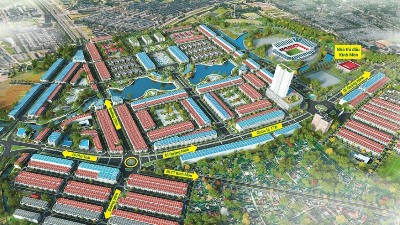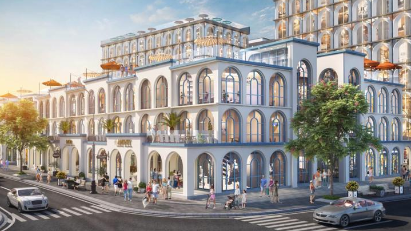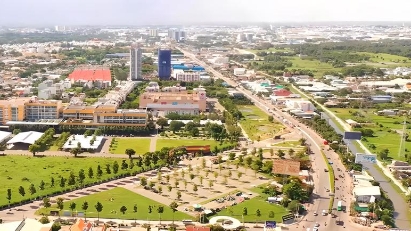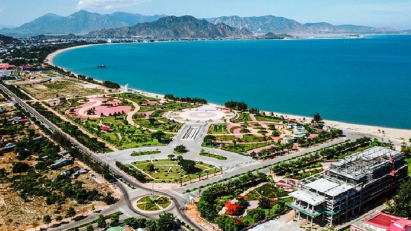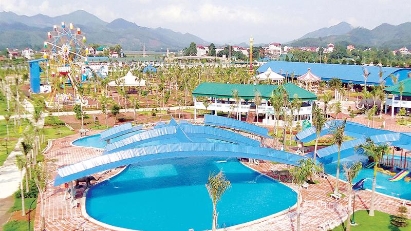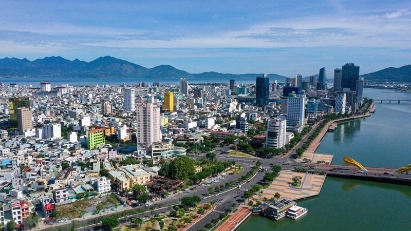
These projects have already received approved detailed planning and are part of the Mekong Delta city’s portfolio to invite independent social housing investment.
Analysts remain optimistic about the opportunities in Vietnam’s real estate market as the pandemic lingers. The factors behind customers selecting a property are changing, however, and they are now more interested in location, sustainable profitability, legal transparency, and other matters.
The revised Land Law drafted by the Ministry of Natural Resources and Environment (MoNRE) will be submitted to the government before January 10, 2022. The revised law will promote land resources as an important internal resource for socio-economic development goals associated with environmental protection, which will create a foundation for Vietnam to become a developed country by 2045.
Under planning to 2025, the west of Hanoi will become an intellectual center with high technology. With the expansion of traffic routes, high-end real estate products in the area will increase property value for investors, with many real estate giants already taking an interest.
The exploitation of underground space has been studied by Ho Chi Minh City for more than ten years, with certain locations identified for construction planning. The exploitation plan is being accelerated along with the completion of Metro Line No. 1.
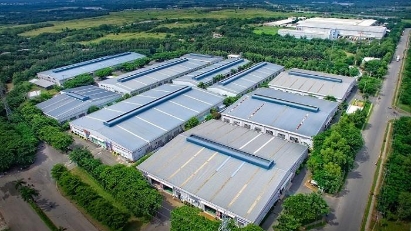
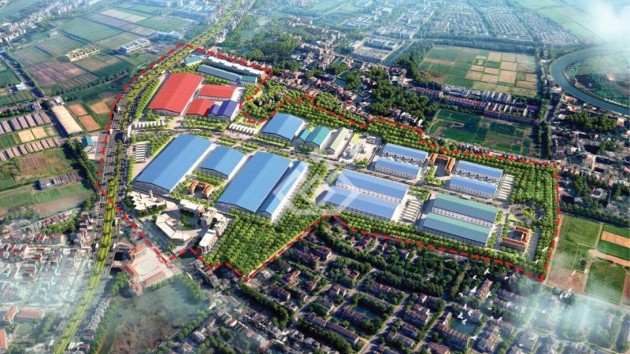
Deputy Prime Minister Le Van Thanh has signed Decision No. 1420/QD-TTg approving investment in a project building the Nam Tan Tap Industrial Park in the Mekong Delta’s Long An province. The industrial park sits on more than 244.7 ha and is invested in by the Saigontel Long An Co., Ltd, with total capital of more than VND2.6 trillion ($113.2 million).
The fourth outbreak of Covid-19 has affected all economic activities, including the real estate sector. In July, for the first time, the land market in Ho Chi Minh City and neighboring provinces saw sales prices cut or reduced so that capital could be recovered.