The adjustment aims for greater flexibility, with the threshold to be raised to approximately VND1 billion ($38,000) to reflect economic realities, support household businesses, and ensure budget balance.
Though results indicate a degree of recovery momentum in Q1 and March, ongoing global headwinds continue to pose concerns for Vietnam macro-economic situation.
The Ho Chi Minh City Department of Transport has submitted a scheme to the city People’s Committee on opening more pedestrian malls in the city center. From now to 2025, 22 more vehicle-free streets will be opened in the downtown area to promote tourism, shopping, and services and improve the quality of the environment.
According to Media Partners Asia, online video piracy in Vietnam is a burning problem that may cost the industry $348 million annually, or 18 per cent of total revenue. Without effective prevention measures, the figure may reach $456 million by 2027.
According to recruitment services provider the Navigos Group, businesses wishing to expand their operations and those undergoing transformation and restructuring will need to employ a large number of IT engineers in the second half of 2022.
Significant numbers of human resources in Vietnam’s healthcare sector have left the industry. This is happening for two main reasons: low remuneration and poor working environment. The Ministry of Health (MoH) has therefore called on the government to adopt timely solutions to address the situation.
The Committee on Ethnic Minority Affairs (CEMA) has issued a circular on support in housing and production land for poor households in challenging areas. The circular will come into effect from August 15 and specifically stipulates support for production land and job changes for ethnic minority people.
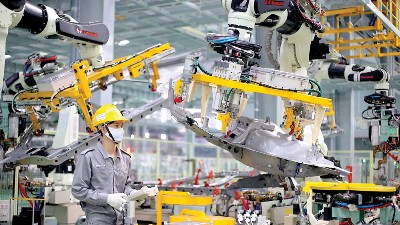
The workforce in Vietnam’s electronics industry currently stands at over 1 million people but they are mostly involved in labor-intensive, low value-added outsourcing and assembly. The shortage of skilled workers remains a major challenge for the industry.