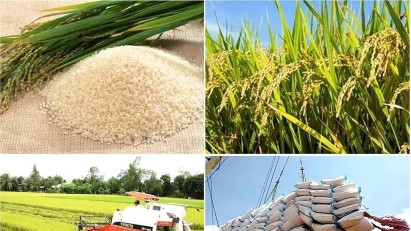
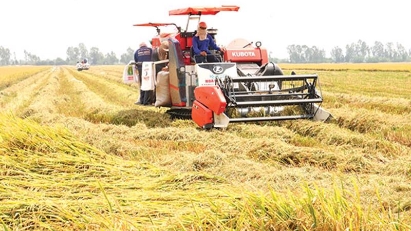
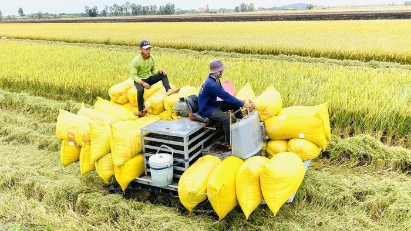
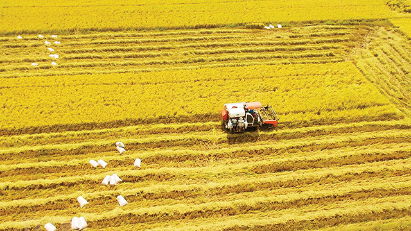
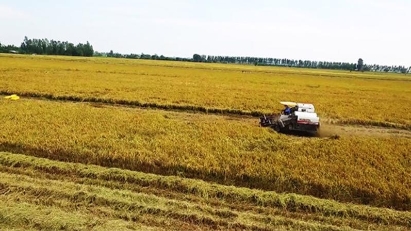
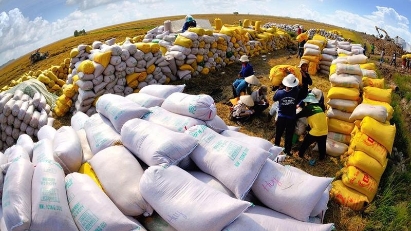
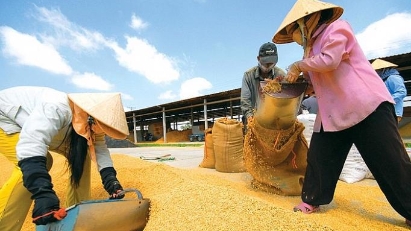
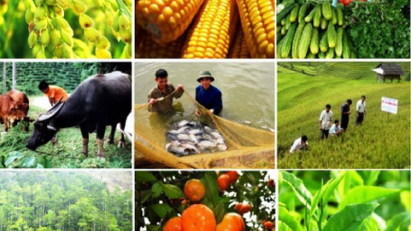
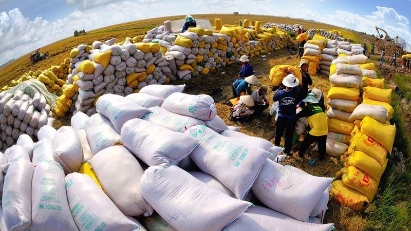
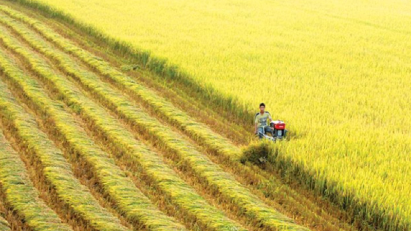
The agricultural sector performed quite well in October, with livestock production developing stably and the production of timber from planted forests increasing, while the harvest of the winter rice crop was slower than in other years. The General Statistics Office reported that, as of mid-October, Vietnam had harvested 893,100 ha of winter rice, or 57.4 per cent of the cultivation area and equal to 87.9 per cent of last year’s winter harvest. In the forestry sector, the newly-concentrated planted forest area was estimated at 33,300 ha in October, up 5.3 per cent year-on-year. Aquatic production in October was estimated at 815,900 tons, up 2.5 per cent year-on-year.
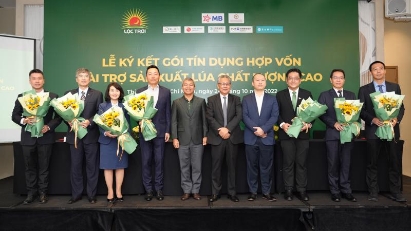
Seven major domestic and foreign banks signed a credit agreement of $100 million with the Loc Troi Group on October 24, to be implemented over three years. Loc Troi will use the funds to promote high-quality rice production and ensure orders are fulfilled.
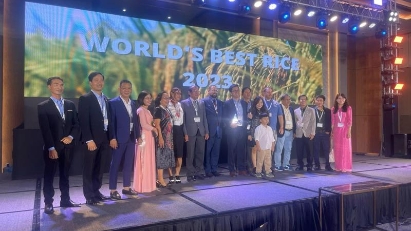
According to the Vietnam Trade Office in Japan, Japanese people are looking to buy Vietnamese rice, especially ST25 rice, which was rated the world’s best in 2019, to enrich their diets. But penetrating into the Japanese market will be problematic as there are no preferences for rice imported from the country.
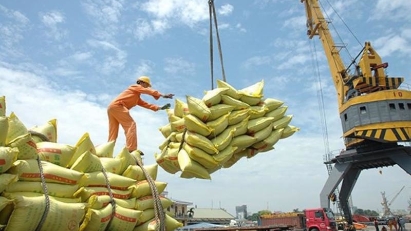
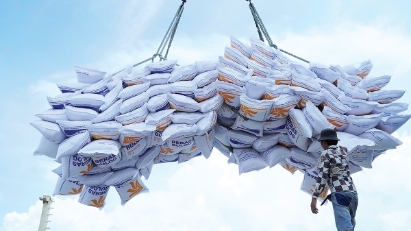
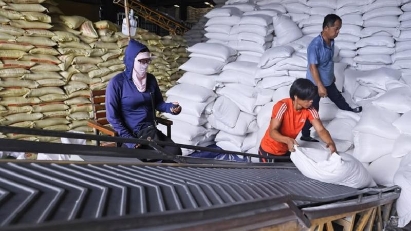
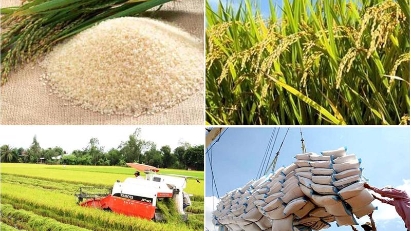
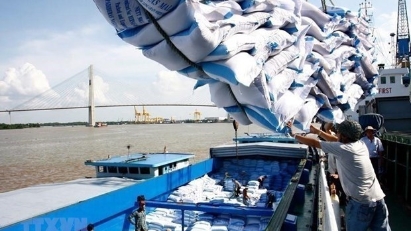
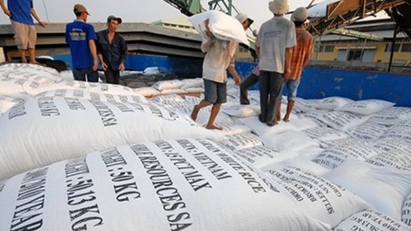
Vietnam exported 3.5 million tons of rice worth $1.7 billion in the first half of 2022, according to the Ministry of Agriculture and Rural Development, up 16.2 per cent in volume and 4.6 per cent in value over the same period of 2021. Growth came from high demand in markets such as China, Bangladesh, Iran, and Sri Lanka.